
Contents
Mold is like an unwanted guest that settles in after a storm, thriving in the dampness left by water damage. Ignoring proper cleanup can lead to serious health risks and structural damage to your property. You might think a simple wipe-down suffices, but the reality is far more complex. Understanding the nuances of mold growth and the importance of effective remediation is key to safeguarding your home and health. What essential steps should you consider next?
Key Takeaways
- Proper mold cleanup prevents health risks, including allergic reactions and respiratory issues, often exacerbated after water damage.
- Timely removal of mold protects property value by maintaining structural integrity and preventing further deterioration.
- Professionals ensure thorough assessments and effective removal of hidden mold, which DIY methods may overlook.
- Mold can develop quickly; prompt cleanup reduces the likelihood of extensive damage and costly repairs.
- Implementing preventative measures post-cleanup promotes a healthier living environment and reduces future mold risks.
Understanding the Risks of Mold Growth After Water Damage
When water damage occurs, it’s vital to understand the risks of mold growth that can follow, as even small amounts of moisture can create an ideal environment for mold spores to thrive.
The mold lifecycle begins with spores that can remain dormant until moisture levels increase. Once moisture control is compromised, these spores can germinate and spread rapidly, leading to potential health issues and structural damage.
It’s important to recognize that mold not only grows in visible areas but can also hide in walls and under flooring.
By actively monitoring humidity levels and promptly addressing any leaks or water issues, you can greatly reduce the likelihood of mold development.
Being proactive in moisture control helps create a healthier living environment for you and your loved ones.
The Importance of Timely Mold Cleanup
Timely mold cleanup is essential to protect both your health and property.
If you don’t address mold growth quickly, you risk serious health issues and extensive damage to your home.
Health Risks Involved
Ignoring the need for prompt mold cleanup after water damage can greatly jeopardize your health. Mold exposure can lead to serious respiratory issues and other health complications if not addressed quickly.
Here are four key health risks to take into account:
Allergic Reactions: Symptoms like sneezing, a runny nose, and itchy eyes can arise from mold spores.
Asthma Aggravation: Existing asthma symptoms may worsen, leading to increased attacks and hospital visits.
Chronic Sinusitis: Prolonged mold exposure can cause ongoing sinus infections and discomfort.
Toxic Reactions: Some molds produce mycotoxins, which can lead to severe neurological issues.
Taking swift action against mold protects your home and ensures your well-being and that of your loved ones.
Don’t underestimate the importance of timely cleanup!
Property Damage Prevention
Mold can rapidly undermine the structural integrity of your property, making timely cleanup essential for prevention. Failing to address mold growth can lead to significant property damage, impacting both your home’s value and your sense of belonging. Effective property maintenance and moisture control are vital in mitigating these risks.
Here’s a quick overview of the potential damages:
| Damage Type | Impact |
|---|---|
| Structural Damage | Weakens walls and ceilings |
| Aesthetic Damage | Discoloration and stains |
| Health Risks | Deteriorating air quality |
| Financial Loss | Increased repair costs |
| Long-term Issues | Persistent moisture problems |
Identifying Signs of Mold Infestation
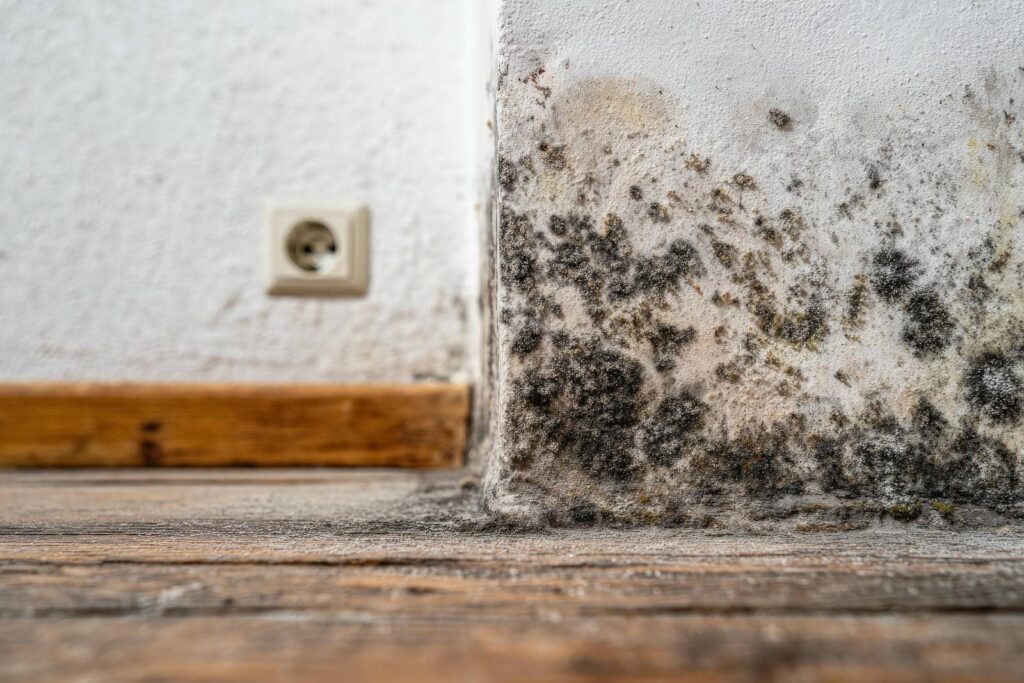
When inspecting your space for mold infestation, start by looking for visual indicators like dark spots or fuzzy growth on surfaces.
Additionally, pay attention to any unpleasant odors, as these can signal hidden mold lurking in damp areas.
Recognizing these signs early can help you address the issue before it escalates.
Visual Mold Indicators
While addressing water damage, it’s essential to be vigilant for visual mold indicators that could signal a more significant problem.
Different mold types thrive under specific growth conditions, and spotting these signs early can help you act promptly.
Here are key visual indicators to watch for:
Discoloration: Look for green, black, or white patches on walls and ceilings.
Texture Changes: Notice any fuzzy or slimy surfaces where mold might be growing.
Water Stains: Identify areas with dark spots, which often indicate moisture and potential mold presence.
Condensation: Excess moisture on windows or pipes can lead to mold development.
Unpleasant Odor Detection
If you notice a musty smell lingering in your home, it could be a strong indication of mold infestation. Understanding odor sources is essential for effective detection methods. Mold often thrives in damp areas, releasing volatile organic compounds (VOCs) that produce unpleasant odors. Addressing these smells promptly improves your living environment and safeguards your health.
| Odor Source | Detection Method |
|---|---|
| Wet basements | Check humidity levels with a meter |
| Leaky pipes | Inspect for water stains |
| Hidden mold | Use an air quality test kit |
| Damp carpets | Smell test or moisture meter |
| Attics and crawl spaces | Visual inspection and air sampling |
Identifying these signs early on can prevent further mold growth and protect your home.
Professional vs. DIY Mold Cleanup
Although tackling mold cleanup on your own might seem like a cost-effective solution, the complexity of mold remediation often requires professional intervention.
While DIY techniques can be tempting, they may not fully address the problem. Here are a few reasons why professional expertise is crucial:
Thorough Assessment: Experts identify hidden mold sources that you might miss.
Safety Measures: Professionals use protective gear to prevent health risks.
Advanced Equipment: They’ve access to specialized tools for effective removal.
Long-Term Solutions: Experts ensure mold doesn’t return, providing lasting peace of mind.
Long-Term Benefits of Proper Mold Remediation
Proper mold remediation addresses immediate contamination and fosters long-term health and structural benefits for your home.
By investing in thorough remediation, you minimize the long-term effects of mold exposure, which can lead to respiratory issues and other health problems for your family.
Additionally, maintaining mold resilience within your home’s environment enhances its structural integrity, preventing costly repairs down the line.
A well-remediated space encourages a sense of belonging and comfort, allowing you and your loved ones to thrive in a healthy atmosphere.
Ultimately, prioritizing proper mold cleanup protects your immediate living conditions and secures a safe, welcoming home for years to come.
Preventative Measures to Avoid Future Mold Issues
To effectively prevent future mold issues, it’s essential to maintain a proactive approach to moisture control in your home.
Implementing specific prevention techniques can notably reduce the risk of mold growth. Here are four key measures you should take:
Regularly inspect your home for leaks, especially in basements and around windows.
Use dehumidifiers in damp areas to keep humidity levels below 60%.
Ensure proper ventilation in bathrooms and kitchens to expel excess moisture.
Seal any cracks or gaps in walls and foundations to prevent water infiltration.
Frequently Asked Questions
Can Mold Affect Indoor Air Quality and Health?
Yes, mold can greatly affect indoor air quality, leading to various health effects. You might experience mold symptoms like respiratory issues, allergies, or skin irritation, which can diminish your overall well-being and comfort at home.
How Long Does Mold Cleanup Typically Take?
Did you know mold can start growing within 24 to 48 hours after water exposure? The cleanup process typically takes several days to weeks, depending on the extent of mold growth and the affected area’s size.
What Are the Costs Associated With Mold Remediation?
Mold remediation costs can vary widely, typically ranging from hundreds to thousands of dollars. Check your insurance coverage; some policies may cover these expenses, easing the financial burden while ensuring your home remains safe and healthy.
Can Mold Return After Cleanup?
Yes, mold can return after cleanup if mold regrowth factors like moisture, temperature, and organic material aren’t properly managed. Effective mold cleanup methods ensure thorough removal and help prevent future infestations, keeping your space safe and healthy.
Are There Specific Products for Mold Prevention?
You walk into a damp room, dread creeping in. Mold inhibitors and antifungal sprays are your allies, effectively preventing regrowth. These products create an invisible barrier, ensuring your space remains safe and welcoming for everyone.
Final Thoughts
In the aftermath of water damage, treating mold is like tending a garden—if you don’t pull out the weeds, they’ll take over. By prioritizing proper mold cleanup, you’re not just protecting your property; you’re investing in your health and peace of mind. Timely action, whether through professional help or informed DIY methods, ensures that your living space remains safe and sound. Remember, a mold-free home is a thriving sanctuary for you and your loved ones.
Recent Posts
Top Tools for Efficient Home Flood Recovery
When facing home flood recovery, it’s vital to have the right tools at your disposal.
7 Best Tools for Effective Flood Cleanup
When tackling flood cleanup, knowing what tools to use, understanding their purpose, and mastering their
What Are Effective Techniques for Detecting Pipe Leaks?
Detecting pipe leaks is essential for maintaining infrastructure and preventing costly damage. You can utilize