
Contents
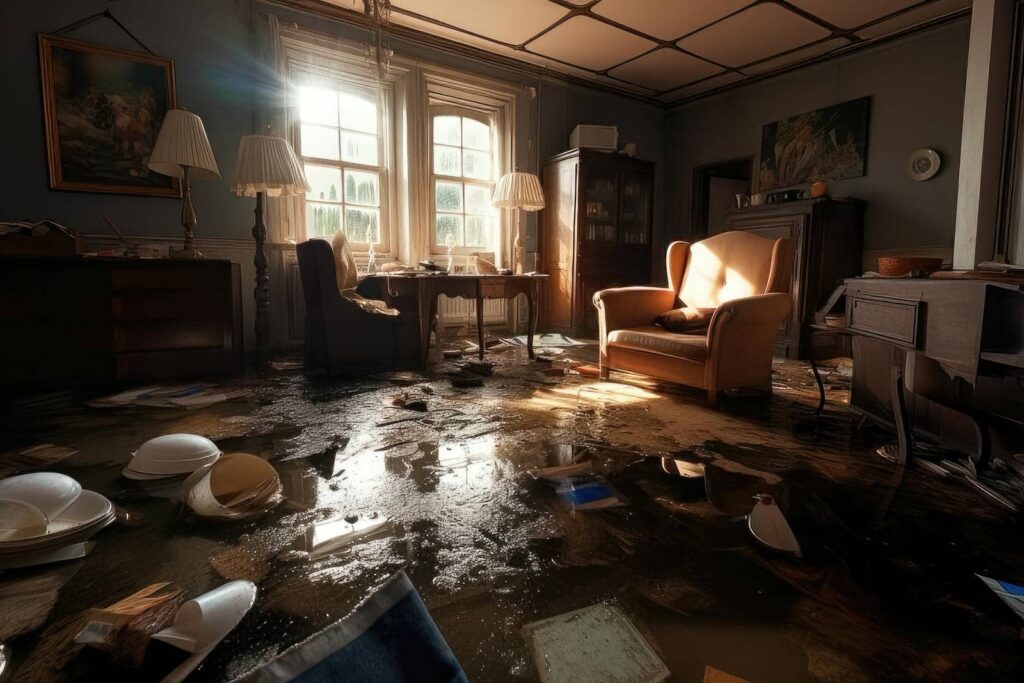
Imagine a family returning to their flood-damaged home, only to discover mold creeping along the walls and electrical wires exposed. This scenario highlights the hidden dangers lurking after a flood. Prioritizing safety during flood cleanup isn’t just about personal health; it’s vital for the well-being of the entire community. As you navigate these risks, understanding the essential steps to take can make all the difference. What are the key factors you need to reflect upon for a safe recovery?
Key Takeaways
- Floodwaters may contain harmful pathogens and pollutants, posing serious health risks to those exposed during cleanup.
- Structural hazards like weakened foundations and electrical dangers can lead to severe injuries if not properly assessed.
- Mold growth from lingering moisture can result in long-term health issues, necessitating immediate moisture control and thorough drying.
- Wearing protective gear reduces the risk of injuries and illnesses, ensuring personal safety during the cleanup process.
- Mental health impacts are significant post-flood; prioritizing safety and community support fosters resilience and collective recovery.
Assessing Structural Integrity
As you begin the process of flood cleanup, evaluating structural integrity is essential to secure your safety and the safety of others.
Start with thorough structural assessments; these will help identify any damage that could compromise your home’s stability. Look for sagging ceilings, cracks in walls, and warped floors, as these signs often indicate deeper issues.
Conduct safety inspections to ascertain that electrical systems, plumbing, and load-bearing elements are intact. It’s important to document your findings, as this information can aid in insurance claims and future repairs.
Protecting Personal Health
After a flood, protecting your personal health is vital. Contaminated water can pose serious risks, while mold growth can quickly become a hidden threat in damp areas.
Additionally, poor air quality can exacerbate health issues, making it essential to address these concerns promptly and effectively.
Contaminated Water Risks
While tackling flood cleanup, you must remain vigilant about the risks posed by contaminated water, which can harbor harmful pathogens and pollutants.
Bacterial contamination is a significant concern, as pathogens can lead to serious health issues, especially for vulnerable individuals. You might unknowingly come into contact with contaminated water while cleaning, risking infections or illness.
Additionally, chemical exposure from industrial runoff or household products mixed in floodwaters can pose long-term health risks. It’s essential to wear protective gear, like gloves and boots, to minimize these dangers.
By prioritizing your safety and being aware of these risks, you’re not just protecting yourself; you’re also safeguarding your loved ones and your community.
Together, we can navigate these challenges more safely.
Mold Growth Prevention
Contaminated water isn’t the only concern after a flood; mold growth can pose a significant threat to your health as well.
After flooding, it’s essential to address moisture control immediately. Mold thrives in damp environments, and even small amounts of lingering moisture can lead to rapid growth.
You should prioritize mold removal by thoroughly drying affected areas and using dehumidifiers to keep humidity levels low. Regularly check hidden spots, like behind walls or under carpets, where mold can hide.
Air Quality Concerns
As you navigate the aftermath of a flood, air quality becomes a pressing concern that can greatly impact your health. Flooding can introduce various indoor pollutants, including mold spores and bacteria, which linger in the air.
These pollutants can exacerbate respiratory issues and other health problems. It’s essential to guarantee adequate air filtration in your home. Using HEPA filters can considerably reduce airborne contaminants, helping you breathe easier.
Regularly ventilating your space also aids in clearing out harmful particles. Don’t underestimate the importance of clean air—your well-being depends on it.
Handling Contaminated Materials
When tackling the aftermath of a flood, you must handle contaminated materials with care to protect your health and safety. These materials can include anything from soaked carpets to damaged insulation, often harboring harmful bacteria and chemicals.
First, wear protective gear like gloves and masks to minimize exposure. Assess each item carefully; if it can’t be cleaned or dried thoroughly, it’s best to dispose of it.
For safe disposal, follow local guidelines to guarantee that these materials don’t pose a risk to your community. Remember, this process isn’t just about cleaning up—it’s about safeguarding your well-being and that of your loved ones.
Preventing Mold Growth
Although flood cleanup can feel overwhelming, preventing mold growth is vital for safeguarding your home and health.
Mold can develop quickly in damp environments, and you don’t want it lurking in your space. Start by thoroughly drying out your home using effective ventilation methods—open windows, use fans, and dehumidifiers to reduce humidity levels.
Regular mold testing can help you detect any hidden growth early, allowing you to act swiftly. If you find mold, it’s important to address it immediately to prevent further spread.
Remember, a proactive approach not only protects your home but also guarantees a healthier living environment for you and your loved ones.
Prioritizing these steps fosters a sense of safety and belonging in your community.
Ensuring Safe Electricity Usage
After a flood, your electrical equipment might be compromised, so it’s vital to assess its safety first.
Check for any signs of water damage, as even minor exposure can create serious hazards.
If you’re uncertain, hiring a qualified electrician can guarantee everything is up to code and safe for use, protecting both your home and your peace of mind.
Assessing Electrical Equipment Safety
As you assess the safety of electrical equipment post-flood, it’s crucial to recognize that water exposure can compromise wiring, circuits, and appliances.
To guarantee safety, consider the following steps:
- Conduct Electrical Inspections: Have a qualified electrician evaluate your wiring and outlets for damage.
- Perform Equipment Testing: Check appliances and tools for functionality and safety before use.
- Look for Signs of Damage: Inspect for corrosion, frayed wires, or burn marks on devices.
- Follow Local Guidelines: Adhere to your community’s electrical safety regulations and protocols.
Taking these precautions not only protects your home but also fosters a sense of security among your loved ones.
Prioritizing safety means caring for yourself and those around you during this challenging time.
Checking for Water Damage
Once you’ve guaranteed the safety of your electrical equipment, it’s time to turn your attention to checking for water damage throughout your home.
Start with water stain identification on walls and ceilings; these stains can signal hidden issues. Use moisture detection techniques, like a moisture meter, to assess areas that look dry but might still harbor dampness.
Pay special attention to corners and behind furniture, where water can linger unseen. If you find significant damage, it’s essential to address it promptly to prevent mold growth and further structural issues.
Hiring Qualified Electricians
While you might feel overwhelmed by the aftermath of a flood, guaranteeing the safety of your electrical system is essential. Hiring qualified electricians can prevent serious hazards.
Here are some key points to reflect upon:
- Check for Safety Certifications: Verify your electrician is licensed and has the necessary safety certifications.
- Request Thorough Electrical Inspections: A detailed inspection will identify any damage or potential risks that need addressing.
- Discuss Restoration Plans: Communicate clearly about your needs to guarantee they understand the scope of work.
- Ask About Experience: Choose electricians familiar with flood-damaged properties to ensure they know the specific challenges involved.
Utilizing Protective Gear and Equipment
When tackling flood cleanup, utilizing protective gear and equipment is essential for your safety and well-being.
Wearing protective gloves helps shield your hands from sharp objects, chemicals, and contaminants often hidden in floodwaters. Safety goggles are important too, as they protect your eyes from debris and splashes that can cause serious injury.
These simple yet effective tools not only keep you safe but also instill a sense of belonging among those working alongside you, as everyone prioritizes health and security.
Remember, neglecting protective gear can lead to long-term health issues, making it essential to equip yourself properly.
Embrace the responsibility of your safety and the safety of your community during this challenging time.
Frequently Asked Questions
How Long Should I Wait Before Re-Entering a Flooded Building?
You should wait until a thorough building assessment confirms safety. Flood safety is essential; structural damage and hidden hazards can pose risks. Trust professionals to evaluate the situation before you re-enter your home. Your well-being matters.
What Should I Do With Sentimental Items Affected by Floodwaters?
Imagine finding your grandmother’s heirloom quilt soaked in floodwaters. You can start by salvaging photographs—rinse them gently—and consult restoration experts for heirlooms. These steps help preserve cherished memories and connections to your past.
Are There Specific Insurance Claims for Flood Damage?
Yes, there are specific insurance claims for flood damage. You should review your flood insurance policy, paying close attention to coverage limits. Understanding these details can help you navigate the claims process more effectively and regain your sense of security.
How Can I Safely Dispose of Flood-Damaged Electronics?
You’d think tossing flood-damaged electronics is simple, right? But they’re hazardous waste. Instead, contact local electronic recycling facilities. They’ll guarantee safe disposal, protecting both you and the environment while fostering a sense of community responsibility.
Will Floodwaters Affect My Home’s Foundation Long-Term?
Floodwaters can compromise your home’s foundation integrity, leading to long-term effects like settling or cracking. It’s vital to monitor for signs of damage and consult professionals to guarantee your home remains safe and secure.
Recap
In the aftermath of a flood, you can’t afford to overlook safety. By evaluating structural integrity, protecting personal health, handling contaminated materials carefully, preventing mold growth, ensuring safe electricity usage, and utilizing protective gear, you’re not just safeguarding yourself; you’re safeguarding your community. Prioritizing safety isn’t just a choice—it’s a responsibility. By doing so, you contribute to a healthier environment, a stronger community, and a more resilient future. Remember, safety today lays the foundation for recovery tomorrow.
Recent Posts
Top Tools for Efficient Home Flood Recovery
When facing home flood recovery, it’s vital to have the right tools at your disposal.
7 Best Tools for Effective Flood Cleanup
When tackling flood cleanup, knowing what tools to use, understanding their purpose, and mastering their
What Are Effective Techniques for Detecting Pipe Leaks?
Detecting pipe leaks is essential for maintaining infrastructure and preventing costly damage. You can utilize