
Contents
Just like a shipwrecked sailor navigates treacherous waters, you’ll need a clear plan to tackle the aftermath of a flooded home. First, it’s vital to assess the damage and ensure your safety. You’ll want to prioritize both your well-being and the structural integrity of your home. Knowing where to start can be overwhelming, but there are effective techniques to guide you through this challenging process. Let’s explore the essential steps together.
Key Takeaways
- Assess the damage by documenting water levels, structural issues, and potential mold growth in each room before cleanup begins.
- Ensure safety by wearing protective gear, turning off power, and avoiding contaminated water during the cleanup process.
- Remove standing water using buckets, wet/dry vacuums, or submersible pumps, working from the farthest corner toward the exit.
- Dry out affected areas with dehumidifiers, fans, and proper airflow, while cleaning surfaces with sanitizing agents to prevent mold growth.
- Consider restoration options for valuable items, and properly dispose of non-salvageable materials while exploring future water damage prevention methods.
Assessing the Damage
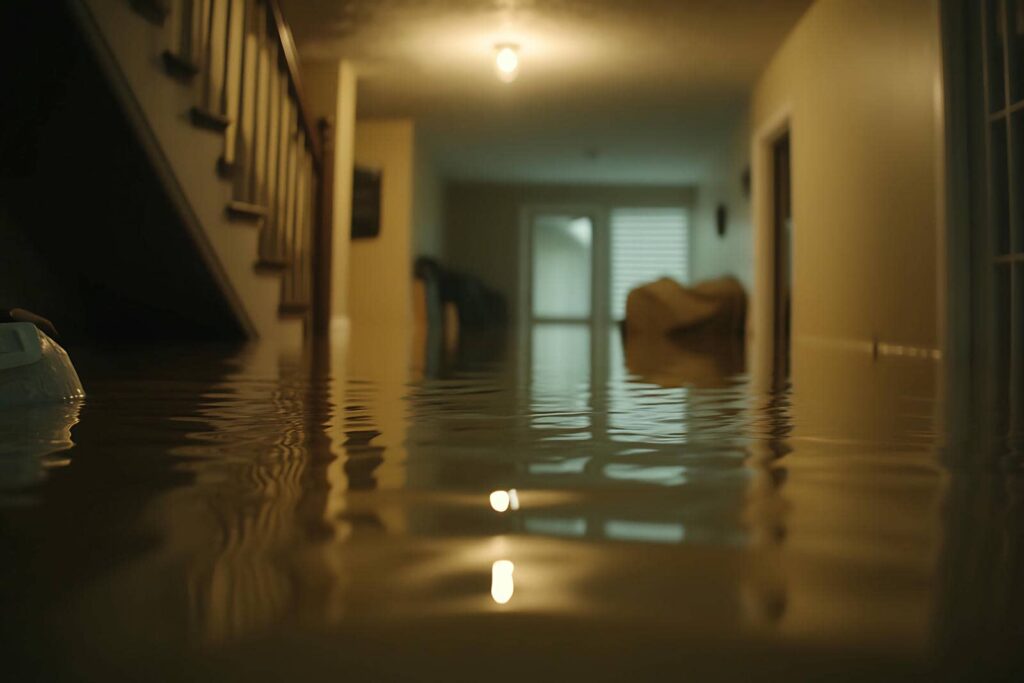
When you step into your flooded home, it’s important to evaluate the damage methodically to understand the extent of the destruction.
Start by documenting each room, noting visible water levels and any structural integrity issues like sagging floors or cracked walls. Look for signs of mold, which can develop rapidly, and make sure to check hidden areas like behind appliances.
Take photographs for insurance purposes, as they’ll help you convey the damage evaluation to your provider. Remember, it’s okay to feel overwhelmed; this process is vital for your recovery.
Ensuring Safety and Health
When you start cleaning up after a flood, your safety and health need to come first.
Make sure you wear protective gear, as it shields you from hazardous materials and contaminants.
Also, be cautious of electrical hazards and avoid any water that could be contaminated to prevent serious health risks.
Wear Protective Gear
Flood cleanup can be a challenging task, but prioritizing your safety is essential. Start by wearing appropriate protective clothing, such as waterproof boots, gloves, and long sleeves, to shield yourself from contaminants. This isn’t just about comfort; it’s about protecting your health amid the chaos.
You might encounter sharp objects or hazardous materials, so don’t underestimate the importance of safety equipment like masks and goggles. These items can prevent exposure to harmful substances and keep you safe during the cleanup process.
Assess Electrical Hazards
After ensuring your safety with protective gear, it’s time to turn your attention to electrical hazards, which can pose serious risks during flood cleanup.
Start by checking your home’s electrical system. Turn off the main power supply to avoid any accidents.
Once the power is off, conduct a thorough circuit inspection. Look for signs of damage, such as frayed wires or water intrusion in outlets and appliances.
If you notice any issues, don’t hesitate to call a licensed electrician for help.
Remember, electrical safety is vital; even the smallest oversight can lead to dangerous situations.
Taking these steps protects you and fosters a sense of community as you work together with professionals to restore your home safely.
Avoid Contaminated Water
As you begin the cleanup process, it’s crucial to steer clear of contaminated water, which can harbor harmful pathogens and chemicals. This water can lead to serious health risks, including waterborne diseases like leptospirosis and giardiasis.
Make sure you wear protective gear, such as gloves and boots, to minimize your exposure. When dealing with contaminated items, prioritize safe disposal; don’t hesitate to discard anything that can’t be thoroughly cleaned.
Enlist help from friends or family, as tackling this task together fosters a sense of community and support. Remember, your health and safety are paramount during this challenging time.
Stay vigilant, and don’t underestimate the impact of contaminated water on your well-being. Together, you can navigate this challenge.
Removing Standing Water
Begin by evaluating the extent of standing water in your home, as this will guide your cleanup efforts.
If the water is shallow, you might use buckets or wet/dry vacuums for water extraction. For deeper water, consider renting a submersible pump to assist with pumping water efficiently.
Make sure to wear protective gear, as safety is paramount during this process. Work methodically, starting from the farthest corner and moving toward the exit; this prevents you from walking through already cleared areas.
If you feel overwhelmed, remember you’re not alone—reach out to friends or professionals for help.
Once the standing water is removed, you’ll feel a sense of relief, making the next steps in your cleanup journey more manageable.
Drying Out the Affected Areas
Once you’ve removed the standing water, drying out the affected areas is essential to prevent further damage and mold growth.
Start by using dehumidifiers to reduce humidity levels, making it easier for moisture to evaporate. Verify proper airflow management by opening windows and doors, and using fans to circulate air throughout the space.
- Check for hidden moisture in walls and floors
- Use heat sources like radiators or space heaters carefully
- Remove wet carpets and upholstery for thorough drying
- Monitor humidity levels regularly
- Keep an eye out for signs of mold
Taking these steps will help you effectively dry out your home, verifying it returns to a safe and comfortable environment for you and your loved ones.
Cleaning and Sanitizing Surfaces
While drying out your home is essential, cleaning and sanitizing surfaces is the next important step to ensure a safe living environment.
Start by gathering your cleaning supplies, including effective sanitizing agents like bleach or hydrogen peroxide. Use surface techniques such as wiping down countertops, appliances, and walls with these agents to eliminate bacteria and mold.
Don’t forget to pay special attention to porous materials; they may require more thorough cleaning or replacement. After scrubbing, rinse surfaces with clean water to remove any residue.
Finally, let everything dry completely, as moisture can lead to further issues. Taking these steps protects your health and helps restore the warmth and comfort of your home, making it a safe haven once again.
Salvaging Personal Belongings
When you start salvaging your personal belongings after a flood, it’s vital to assess the damage each item has sustained.
Carefully clean and dry those that can be saved, while knowing when it’s time to make tough choices about restoration or disposal.
This process can be overwhelming, but taking it step by step helps ensure you preserve what matters most.
Assessing Damage Levels
As you begin evaluating damage levels in your flooded home, it’s crucial to approach the task methodically to determine which personal belongings can be salvaged.
Start with a thorough damage assessment and perform a visual inspection of each item. Look for signs of water damage, mold, or deterioration.
Consider these items during your assessment:
Photographs: Check for water exposure and consider restoration options.
Documents: Evaluate important papers for damage; some can be frozen to prevent further deterioration.
Electronics: Inspect for corrosion or malfunction.
Furniture: Assess structural integrity and potential for cleaning.
Clothing: Determine if items can be washed or need replacement.
This systematic approach ensures that you make informed decisions about your cherished belongings.
Cleaning and Drying Items
Once you’ve assessed the damage, it’s time to tackle cleaning and drying your personal belongings to salvage what you can.
Start by carefully sorting through your items, prioritizing those with the highest sentimental value.
For fabrics, rinse them in clean water and hang them to dry in a well-ventilated area to promote moisture control.
Hard surfaces can be wiped down with a mixture of water and a mild detergent; remember to dry them thoroughly to prevent mold.
For photographs and documents, place them in a freezer to halt further damage before carefully air-drying them later.
Throughout this process, focus on item preservation, treating each belonging with the care it deserves.
Your efforts can make a significant difference in recovery.
Restoration or Disposal Choices
After cleaning and drying your belongings, you’ll face the important decision of whether to restore or dispose of items that may have been damaged beyond repair.
Understanding your options is essential for salvaging what matters most to you.
Consider the following:
Sentimental items: Family heirlooms may be worth the restoration techniques.
Electronics: Often require professional assessment for safety.
Furniture: Solid wood pieces can often be saved with proper care.
Clothing: Some fabrics can be cleaned or repaired, while others should be discarded.
Artworks: Consult a conservator for valuable pieces.
Weigh the emotional and financial costs of restoration against the practicality of disposal options.
Making informed choices can help you reclaim your space and preserve cherished memories.
Preventing Future Water Damage
While you can’t control every weather event, taking proactive steps can greatly reduce the risk of future water damage in your home.
Start by exploring effective waterproofing solutions, such as sealing cracks in your foundation and applying waterproof membranes. These measures create a barrier against moisture intrusion.
Next, verify your drainage systems are functioning properly. Regularly clean gutters and downspouts to prevent clogs, and consider installing a French drain if you live in a flood-prone area.
Finally, maintain your landscaping; grading your yard away from your home can divert water effectively.
Frequently Asked Questions
How Long Does It Take to Fully Restore a Flooded Home?
Restoring your flooded home typically takes weeks to months. The flood restoration timeline involves several recovery process phases, including assessment, drying, repairs, and final inspections. You’ll feel relieved when you see your space restored.
What Should I Do if I Can’t Afford Professional Help?
When life feels like a storm, and help seems distant, don’t lose hope. Immerse yourself in DIY cleanup, reach out to community resources, and gather support. Together, you can navigate this challenge and rebuild your sanctuary.
Are There Any Government Assistance Programs for Flood Damage?
Yes, you can explore federal aid and disaster relief programs. Check FEMA’s website for assistance options, including low-interest loans and grants. These resources can help you recover without feeling overwhelmed or alone during this challenging time.
How Can I Tell if My Home Is Structurally Safe Post-Flood?
You’re worried about your home’s safety. Start with a thorough structural assessment and a professional safety inspection. Check for cracks, sagging, or water damage. Trust your instincts; your home should feel secure and welcoming again.
What Insurance Coverage Should I Have for Flood Damage?
You should consider flood insurance to protect your home. Look into various coverage options, including structure and personal property. It’s essential to ensure you have the right policy, so you’re prepared for unexpected disasters.
Conclusion
As you stand amidst the remnants of water damage, remember that every step you take is essential. With each bucket of water you remove and every surface you sanitize, you’re not just restoring your home—you’re reclaiming your peace of mind. But beware, the threat of mold lurks in the shadows. By implementing preventive measures now, you can shield your home from future floods. The journey to recovery begins with your actions today—will you take the next step?
Recent Posts
Top Tools for Efficient Home Flood Recovery
When facing home flood recovery, it’s vital to have the right tools at your disposal.
7 Best Tools for Effective Flood Cleanup
When tackling flood cleanup, knowing what tools to use, understanding their purpose, and mastering their
What Are Effective Techniques for Detecting Pipe Leaks?
Detecting pipe leaks is essential for maintaining infrastructure and preventing costly damage. You can utilize