
Contents
You might think storm damage cleanup is overwhelming, but it doesn’t have to be. By systematically addressing each aspect, you can regain control and restore your space. From evaluating the damage to implementing mold prevention strategies, every step matters in the recovery process. Engaging professionals can also ease the burden, but knowing what to expect is essential. Let’s explore effective solutions that can guide you through this challenging time and set you on the path to recovery.
Key Takeaways
- Conduct a thorough damage assessment to identify structural integrity and prioritize cleanup efforts based on impact analysis.
- Utilize professional cleanup services for efficient damage evaluation, debris removal, and assistance with insurance claims.
- Implement water extraction techniques promptly to minimize damage and prevent mold growth within 24-48 hours.
- Ensure proper ventilation and humidity control using dehumidifiers to reduce moisture levels and prevent mold development.
- Consider professional restoration options for walls and flooring to ensure long-term effectiveness and safety after storm damage.
Assessing the Damage
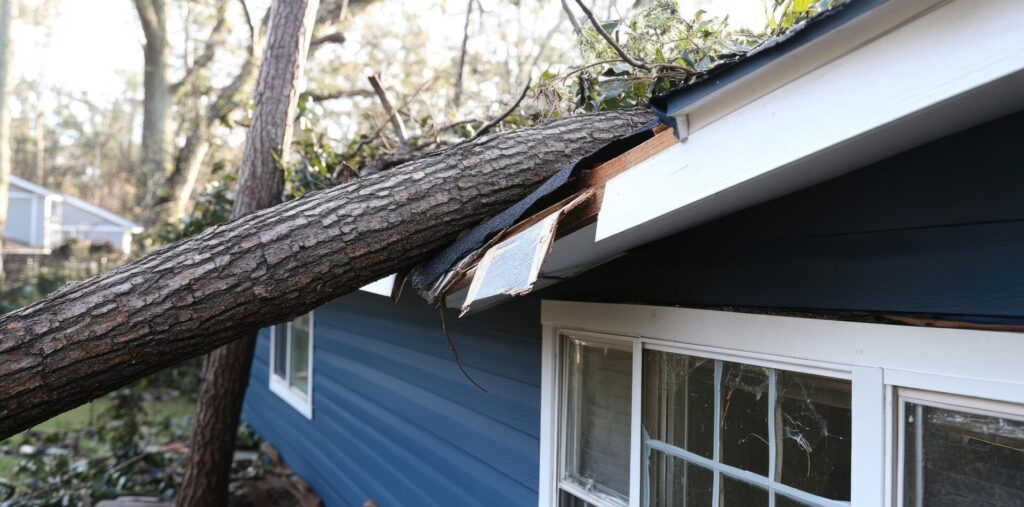
When a storm leaves destruction in its wake, evaluating the damage becomes your first priority.
You’ll want to conduct a thorough damage evaluation to understand what you’re facing. Start by appraising the structural integrity of your home—check for cracks, leaks, or compromised walls. Document everything with photos; this’ll help during insurance claims and future repairs.
Next, focus on your belongings. Make a list of what’s salvageable and what’s beyond repair.
This impact analysis gives you clarity and helps prioritize your cleanup efforts.
Water Extraction Techniques
When dealing with water damage, you need effective techniques to extract standing water quickly.
Pumping it out is just the first step; utilizing dehumidifiers properly can greatly reduce moisture levels.
Pumping Out Standing Water
Frequently, after a storm, standing water can linger in your home or property, causing significant damage if not addressed swiftly.
To tackle this issue, you’ll want to initiate pump removal as soon as possible. Using a submersible pump is often the most effective method for extracting large volumes of water. Position the pump in the deepest area of the standing water, and ensure it’s securely placed to avoid shifting.
As the water level decreases, monitor for any debris that could clog the pump. Don’t forget to check for hidden pockets of water; even small amounts can lead to mold growth.
Utilizing Dehumidifiers Effectively
As you work to restore your space after a storm, utilizing dehumidifiers effectively can greatly reduce moisture levels, preventing further damage and mold growth.
Start by ensuring proper dehumidifier placement; position units in the most affected areas to enhance moisture control. Remember to keep doors and windows closed to maximize efficiency.
Regularly empty the water tank or set up a drain hose for continuous operation. Monitor humidity levels, aiming for a range between 30-60% for ideal results.
You’re not just drying out your space—you’re creating a healthier environment for you and your loved ones. By following these steps, you’ll feel more secure in your home, knowing you’re actively taking control of the recovery process.
Preventing Mold Growth
To effectively prevent mold growth after a storm, prompt water extraction is essential. Standing water creates the perfect environment for various mold types, including black mold and Aspergillus, which can pose serious health risks.
Start by using a wet/dry vacuum to remove excess water, ensuring you’re thorough in areas like basements and crawl spaces. Once the visible water is gone, focus on drying out surfaces with fans and dehumidifiers.
Remember to inspect hidden areas, as moisture can linger unnoticed. Use prevention tips like sealing leaks and maintaining proper ventilation to keep mold at bay.
Structural Drying Methods
When water infiltrates a structure, understanding effective structural drying methods becomes vital for restoring your space and preventing long-term damage.
You’ll want to employ advanced drying techniques that can include air movers and dehumidifiers to rapidly remove moisture from affected areas. These tools work together, creating airflow and lowering humidity levels efficiently.
Utilizing moisture monitoring systems is equally important.
These systems provide real-time data, allowing you to track moisture levels and adjust drying strategies accordingly. This ensures you address every damp corner of your home, minimizing the risk of further complications.
Mold Prevention Strategies
Preventing mold growth is essential, especially after a storm has caused water damage in your home.
Mold spores thrive in damp environments, so effective moisture control is key. Here are some strategies you can implement to protect your living space:
Act quickly: Address water damage within 24-48 hours to prevent mold growth.
Ventilate: Open windows and use fans to circulate air and reduce humidity levels.
Dehumidify: Invest in a dehumidifier to maintain indoor humidity below 60%.
Seal leaks: Check for and repair any leaks in roofs, pipes, or walls to minimize moisture entry.
Inspect regularly: Routinely check areas prone to dampness, like basements and bathrooms, for signs of mold.
Repairing Water-Damaged Walls
When you’ve experienced water damage to your walls, the first step is to assess the extent of the damage.
You’ll need to identify any areas that may require drying or complete restoration to prevent further issues like mold growth.
Understanding these key processes can help you effectively restore your home and ensure a safe living environment.
Assessing Wall Damage
As you begin the challenging task of evaluating wall damage after a storm, it’s crucial to approach the situation methodically to ensure a thorough assessment.
Using effective wall inspection techniques will help you identify the extent of the damage. Here are some damage evaluation methods to take into account:
Check for discoloration: Look for water stains or mold growth.
Feel the texture: Press on the walls; soft spots indicate potential damage.
Inspect for peeling paint: This may suggest moisture trapped beneath.
Listen closely: Hollow sounds when tapping could indicate compromised integrity.
Examine the baseboards: Damage here can signal deeper issues.
Taking these steps fosters a sense of community as you navigate this process and ensures your home remains safe and secure.
Drying and Restoration Techniques
Effective drying and restoration techniques are vital for repairing water-damaged walls, especially after a storm wreaks havoc on your home.
Start by measuring moisture levels with a reliable moisture meter to identify affected areas accurately. This step ensures you tackle the problem effectively rather than merely masking it.
Once identified, enhance air circulation by using fans and dehumidifiers to promote rapid drying, reducing the risk of mold growth. Keep windows open when possible to allow fresh air in, aiding the drying process.
Remember, it’s essential to monitor the walls regularly during this period, making sure they’re returning to their normal state.
Taking these steps restores your walls and brings peace of mind, knowing you’ve protected your home and family.
Flooring Restoration Options
While storm damage can leave your flooring in disarray, understanding the restoration options available can empower you to make informed decisions.
You have several pathways to evaluate, each with its own benefits:
Hardwood restoration: If your hardwood floors are salvageable, refinishing can restore their beauty and durability.
Carpet replacement: Heavily damaged carpets often need to be replaced, ensuring a fresh start in your space.
Tile repair: Cracked or loose tiles can often be repaired or replaced without a full overhaul.
Vinyl or laminate options: These materials can mimic the look of wood or tile, offering a budget-friendly alternative.
Professional assessment: Consulting with restoration experts can help you choose the best course of action.
Content Cleaning and Restoration
When storm damage strikes, the impact on your personal belongings can be just as devastating as the destruction to your home. Conducting a thorough content inventory is vital. This process helps you identify and categorize what’s salvageable and what’s beyond repair.
Each item carries memories and significance, and knowing what you have is the first step in the restoration journey.
Once you’ve assessed your belongings, you can employ effective restoration techniques tailored to different materials. For example, furniture might require deep cleaning and drying, while textiles may need specialized washing or even professional cleaning methods.
Professional Cleanup Services
Storm damage can leave you feeling overwhelmed, and that’s where professional cleanup services come in.
These experts provide immediate support, helping you navigate the chaos and prioritize your safety. They understand the urgency of emergency response and are trained to handle the complexities of storm aftermath.
Consider the benefits of hiring a professional cleanup service:
- Quick and efficient assessment of damage
- Specialized equipment for the safe removal of debris
- Expertise in handling hazardous materials
- Assistance with insurance claims and documentation
- Emotional support during a stressful time
Wrap-Up
In the aftermath of a storm, you deserve safety, peace of mind, and a return to normalcy. You can take control of the situation by evaluating the damage, extracting water, and preventing mold. Choosing professional cleanup services ensures efficiency and offers support during a challenging time. Remember, every step you take toward restoration is a step toward healing—restoring your home, rebuilding your life, and reclaiming your sense of security. You’re not alone in this journey.
Recent Posts
Top Tools for Efficient Home Flood Recovery
When facing home flood recovery, it’s vital to have the right tools at your disposal.
7 Best Tools for Effective Flood Cleanup
When tackling flood cleanup, knowing what tools to use, understanding their purpose, and mastering their
What Are Effective Techniques for Detecting Pipe Leaks?
Detecting pipe leaks is essential for maintaining infrastructure and preventing costly damage. You can utilize