
Contents
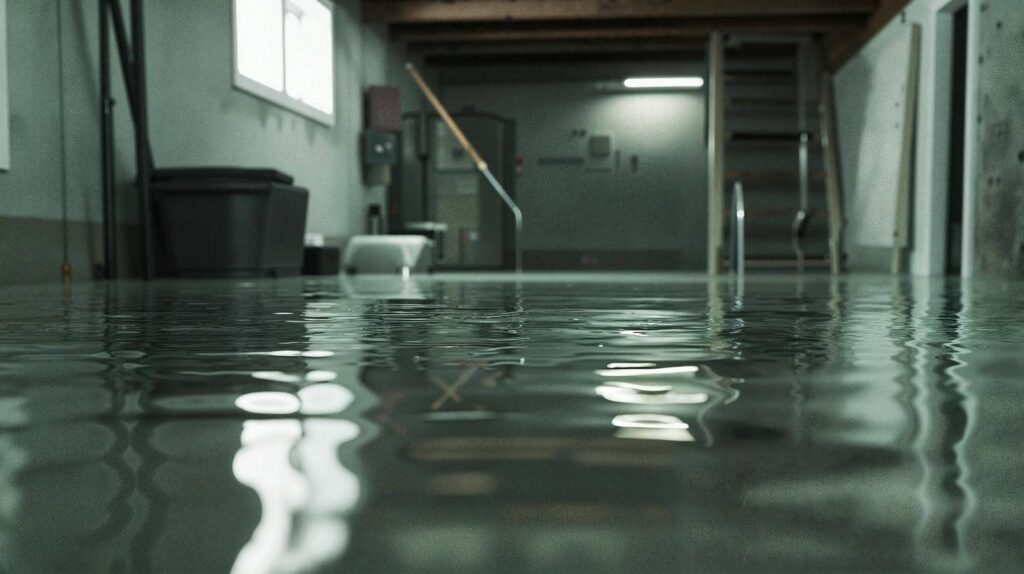
When your basement floods, time is vital. You’ll want to assess the damage and ensure safety before proceeding with effective water removal techniques. Using the right tools can make all the difference. Once you’ve eliminated the standing water, the focus shifts to thorough drying and basement water restoration. Each step is essential in preventing mold and further damage. Let’s explore the fundamental strategies you need to implement for a successful recovery.
Basement Water Restoration – Key Takeaways
- Conduct a thorough damage assessment and document findings to understand the extent of the water intrusion and necessary repairs.
- Use a sump pump for efficient water removal, especially in low areas of the basement, to prevent prolonged exposure to moisture.
- Enhance airflow with high-capacity fans and dehumidifiers to speed up the drying process and reduce humidity levels.
- Regularly monitor for mold growth using moisture meters and inspect for any signs of mold during and after the drying process.
- Implement preventative measures, such as sealing cracks and installing drainage systems, to minimize future water intrusion risks.
Assessing the Damage and Safety Precautions
Before you plunge into the restoration process, it’s crucial to assess the damage and take necessary safety precautions. Start by conducting a thorough damage assessment; look for signs of structural issues, mold growth, and waterlogged materials. Document everything with photographs or notes, as this will help you make informed decisions later.
Next, prioritize your safety. Equip yourself with appropriate safety equipment, such as gloves, goggles, and a mask to protect against contaminants and mold spores. If the water is contaminated, consider wearing waterproof boots and ensuring proper ventilation in the area.
Don’t forget to turn off the electricity in the affected area to prevent electrical hazards. By taking these steps, you safeguard yourself and lay the groundwork for effective restoration.
Effective Water Removal Techniques
Once you’ve assessed the damage and ensured your safety, it’s time to tackle water removal effectively.
Start by using a sump pump, which is essential for removing large volumes of water quickly. Position the pump in the lowest area of your basement, ensuring it’s connected to a power source and a drainage outlet.
If water levels are manageable, employ a wet/dry vacuum for water extraction, as it’s perfect for smaller amounts and can reach corners and tight spaces.
Don’t forget to wear protective gear, including gloves and boots, to safeguard against contaminants. If the water is contaminated or poses health risks, consider contacting professionals for safe removal.
After you’ve extracted the water, monitor the space for residual moisture to prevent mold growth. By following these techniques, you’ll set a strong foundation for a successful restoration journey.
Drying and Restoring Your Basement
Effective drying is vital after water removal to prevent lasting damage and mold growth in your basement. Start by using high-capacity fans and dehumidifiers to enhance moisture control.
Position the fans to maximize airflow across damp surfaces, while dehumidifiers will help extract moisture from the air, speeding up the drying process.
You should also check hidden areas, like behind walls or under carpets, where moisture can linger. If necessary, consider removing baseboards or using moisture meters to ensure thorough drying.
Implementing preventative measures is important; once your basement is dry, seal any cracks in the foundation and consider installing a sump pump or drainage system to manage future water issues.
Summary
In the aftermath of water damage, think of your basement as a phoenix ready to rise from the ashes. By evaluating the damage, swiftly removing water, and ensuring thorough drying, you can transform a damp disaster into a safe haven. Keep your eyes peeled for lurking moisture and mold, like shadows in the night, and tackle any issues head-on. With these steps, you’re not just restoring a space; you’re fortifying your home against future storms.
Recent Posts
Top Tools for Efficient Home Flood Recovery
When facing home flood recovery, it’s vital to have the right tools at your disposal.
7 Best Tools for Effective Flood Cleanup
When tackling flood cleanup, knowing what tools to use, understanding their purpose, and mastering their
What Are Effective Techniques for Detecting Pipe Leaks?
Detecting pipe leaks is essential for maintaining infrastructure and preventing costly damage. You can utilize