
Contents
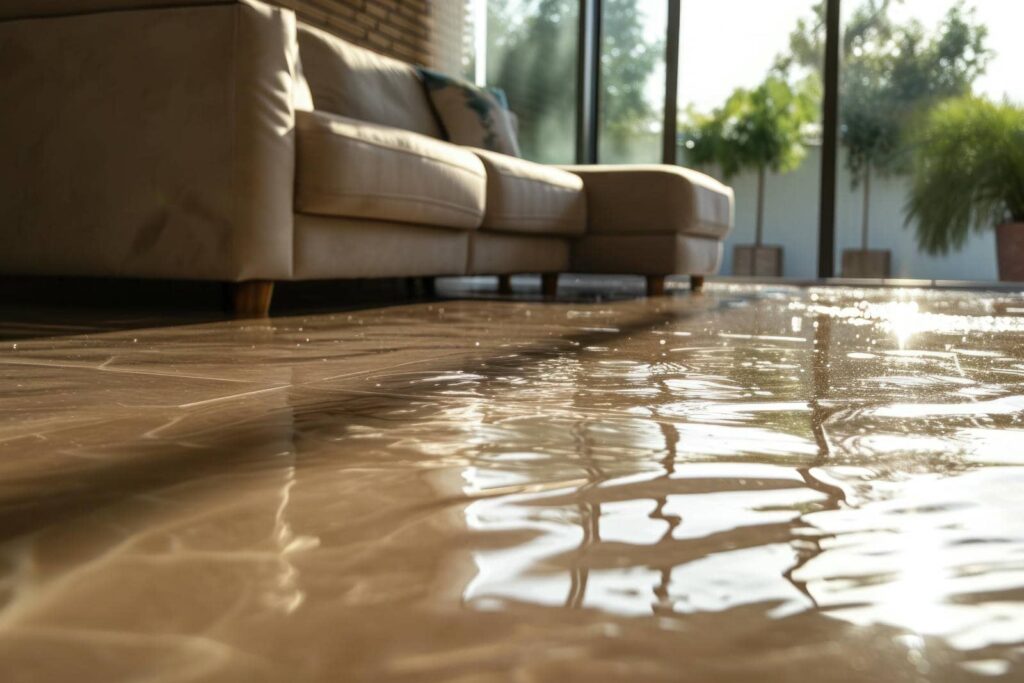
Flooding can lead to devastating damage, yet swift action can mitigate mold growth. Understanding the steps to take after water intrusion is essential for protecting your home. From removing standing water to ensuring proper ventilation, each action plays a critical role in this process. Are you prepared to implement effective strategies that safeguard your space from mold infestations? Let’s explore the top ten mold prevention tips to ensure a healthier living environment.
Key Takeaways
- Act quickly to remove standing water using pumps or wet vacuums to minimize moisture levels and reduce mold risks.
- Dry out affected areas within 24-48 hours using fans and dehumidifiers to promote evaporation and control humidity.
- Clean and disinfect surfaces thoroughly with appropriate agents to eliminate mold spores and bacteria.
- Inspect for hidden leaks and seal cracks promptly to prevent future moisture accumulation and mold growth.
- Use mold-resistant products, such as paint and insulation, to enhance protection against mold in vulnerable areas.
Act Quickly to Remove Water
When flooding occurs, acting quickly to remove water is essential to prevent mold growth. You should have effective water removal techniques at your disposal, such as using pumps, wet vacuums, or even buckets to get rid of standing water.
Prioritize the most affected areas first, ensuring you minimize the water’s lingering effects. It’s vital to have an emergency response planning strategy in place before disaster strikes; knowing your next steps can save time and reduce stress.
Mobilizing a team of friends or family can also make the process more manageable and foster a sense of belonging. By addressing water removal promptly and efficiently, you’ll greatly lower the risk of mold developing in your home, keeping your environment safe and healthy.
Dry Out the Affected Areas
To effectively prevent mold growth after flooding, you need to dry out the affected areas promptly.
Use fans and dehumidifiers to circulate air and reduce humidity levels, ensuring surfaces dry quickly.
Additionally, remove any wet materials immediately to minimize the risk of mold establishment.
Utilize Fans and Dehumidifiers
As floodwaters recede, utilizing fans and dehumidifiers becomes essential for effectively drying out affected areas.
Start by strategically placing fans to maximize airflow; aim them toward wet surfaces to promote evaporation. Confirm that air circulates freely by keeping obstacles away.
Concurrently, set your dehumidifiers to their ideal settings, usually between 30-60% humidity, to extract moisture from the air. Monitor the units regularly and empty the water reservoirs as needed.
Combining proper fan placement with accurate dehumidifier settings accelerates the drying process, reducing the risk of mold growth.
This coordinated effort safeguards your home while fostering a sense of security and belonging within your community, confirming that you’re all taking proactive steps together.
Remove Wet Materials Promptly
After using fans and dehumidifiers to reduce humidity, the next step is to remove wet materials promptly. This action is essential for effective moisture control and preventing mold growth.
Start by identifying items like carpets, drywall, and furniture that have absorbed water. If they’re soaked, it’s often best to dispose of them rather than risk lingering moisture.
For any salvageable items, make certain they’re thoroughly dried out within 24-48 hours. This timeframe is critical, as mold can begin to develop within 24 hours of exposure to moisture.
By acting quickly, you protect your home and foster a sense of community resilience and support for those facing similar challenges.
Increase Air Circulation
Increasing air circulation is essential in preventing mold growth after flooding, especially since stagnant air can promote an ideal environment for mold spores to thrive.
To effectively manage airflow, consider implementing various ventilation strategies. Open windows and doors to allow fresh air to flow through your space, which helps in diluting humidity levels. Use fans to enhance the movement of air, directing them toward areas where moisture tends to accumulate.
If possible, create cross-ventilation by positioning fans across from each other. This approach speeds up the drying process and keeps the environment less hospitable for mold.
Use Dehumidifiers
Dehumidifiers play an essential role in mold prevention after flooding by effectively reducing indoor humidity levels.
By managing moisture control, you help create an environment where mold struggles to thrive.
Here’s how to maximize their effectiveness:
Set the Right Dehumidifier Settings: Aim for a humidity level between 30-60%.
Place Units Strategically: Position dehumidifiers in damp areas, such as basements and bathrooms.
Empty Water Tanks Regularly: Ensure continuous operation by frequently checking and emptying tanks.
Monitor Humidity Levels: Use hygrometers to track changes and adjust settings as needed.
Clean and Disinfect Surfaces
Managing humidity with dehumidifiers is just one part of the mold prevention process; cleaning and disinfecting surfaces is equally important.
After a flood, mold spores can settle on various surfaces, making it vital for you to act swiftly. Start by using effective cleaning agents that are specifically designed to eliminate bacteria and mold. Focus on high-touch areas like countertops, floors, and appliances.
Make sure you scrub thoroughly, as just wiping may not remove all spores. After cleaning, apply a disinfectant to further reduce any remaining mold spores.
Don’t forget to wear protective gear, like gloves and masks, to safeguard yourself from harmful substances. By maintaining clean surfaces, you’ll foster a healthier environment and minimize the risk of mold growth.
Remove Damaged Materials
After flooding, it’s essential to identify affected areas and remove any damaged materials promptly.
This helps prevent mold growth and ensures a healthier environment.
Safely dispose of debris and replace it with new materials to restore your space effectively.
Identify Affected Areas
Once you’ve assessed the extent of the flooding, it’s vital to identify affected areas by removing damaged materials promptly. This step is important in preventing various mold types that thrive in moisture-rich environments.
By addressing moisture sources, you can greatly reduce the risk of mold growth.
- Examine walls and ceilings for water damage.
- Check flooring materials like carpets and underlay for saturation.
- Inspect furniture and personal belongings for signs of mold.
- Assess insulation and drywall, as these can harbor moisture.
Taking swift action protects your home and fosters a sense of community and belonging, as you share your experience with others facing similar challenges.
Clear identification and removal of affected materials is the first line of defense.
Safely Dispose of Debris
Identifying the affected areas is just the first step; safely disposing of debris is equally important to prevent mold growth. You need to ensure proper disposal of any damaged materials, especially those that could harbor mold or contain hazardous materials. Follow local regulations for disposal to protect both your health and the environment.
Here’s a quick guide to help you:
| Material Type | Disposal Method |
|---|---|
| Wood and Drywall | Curbside pickup or landfill |
| Upholstered Furniture | Hazardous waste facility |
| Electrical Items | E-waste recycling center |
| Chemicals and Paints | Local hazardous waste center |
Replace With New Material
To effectively prevent mold growth, you must remove any damaged materials from your home after flooding.
Replacing these materials is essential for a safe and healthy environment. By opting for mold-resistant materials and incorporating moisture barriers, you can greatly reduce the risk of future mold issues.
- Inspect drywall, flooring, and insulation for damage.
- Replace materials that show signs of water damage.
- Install moisture barriers in susceptible areas like basements and crawl spaces.
- Choose mold-resistant paint and materials for renovations.
Taking these steps helps ensure that your home remains a comfortable place for you and your loved ones, free from the threat of mold.
Don’t wait—act quickly to protect your living space.
Check for Hidden Moisture
Although you may have visibly dried your home after flooding, hidden moisture can linger in areas you can’t easily see, creating an ideal environment for mold growth.
To protect your space, start by using moisture detection tools to identify damp spots behind walls, under flooring, or in ceilings. Pay special attention to places where hidden leaks might occur, like around pipes and appliances.
Even if surfaces feel dry, moisture can still be present within materials, leading to mold issues later. Remember to check insulation, drywall, and wooden structures regularly.
Seal Leaks and Cracks
After flooding, it’s essential to seal leaks and cracks to prevent mold growth.
Start by identifying vulnerable areas, such as windows, doors, and foundation joints, where water can easily seep in.
Then, use the appropriate sealants to effectively block moisture and protect your home.
Identify Vulnerable Areas
Identifying vulnerable areas in your home is essential for effective mold prevention, especially after flooding. By addressing leaks and cracks, you can greatly reduce the risk of mold growth.
Here are some key points to take into account:
- Inspect windows and doors for gaps.
- Check plumbing fixtures for leaks.
- Examine the foundation for cracks.
- Look for damaged roofing or siding.
These vulnerable materials can serve as moisture sources, creating ideal conditions for mold to thrive.
By sealing these leaks and cracks promptly, you can protect your home and loved ones from potential health risks associated with mold exposure.
Taking the time to identify and address these areas now will help ensure a safe and healthy living environment for everyone in your household.
Use Appropriate Sealants
Once you’ve pinpointed the vulnerable areas in your home, it’s time to take action by using appropriate sealants to effectively seal leaks and cracks.
Different sealant types, such as silicone, polyurethane, or acrylic, cater to various surfaces and conditions. Choose the right one based on your specific needs—silicone works well in damp areas, while polyurethane offers durability for exterior applications.
When applying sealants, make sure surfaces are clean and dry for the best adhesion. Use a caulking gun for precise application, and smooth the sealant with a putty knife for a professional finish.
Use Mold-Resistant Products
While flooding can leave your home vulnerable to mold growth, using mold-resistant products can greatly mitigate this risk.
By choosing materials designed to resist mold, you can create a safer environment for you and your loved ones.
Consider the following options:
Mold-resistant paint: This type of paint helps prevent mold from forming on your walls.
Mold-resistant drywall: Engineered specifically to resist moisture, this drywall reduces the chance of mold development.
Mold-resistant insulation: Using insulation treated to resist mold can protect your home’s structure.
Mold-resistant flooring: Options like vinyl or tile can discourage mold growth in areas prone to moisture.
Investing in these products enhances safety and fosters a healthier living space for everyone.
Monitor for Signs of Mold
To effectively combat mold growth in your home after flooding, it’s vital to regularly monitor for signs of its presence.
Start by using mold detection methods like visual inspections and air quality tests. Look for discoloration on walls, a musty odor, or moisture buildup, as these can indicate mold growth.
Remember, mold can have serious health effects, including respiratory issues and allergic reactions, so staying vigilant is important. You might want to check areas prone to dampness, such as basements and bathrooms, more frequently.
If you notice any signs, act immediately to address the issue. Regular monitoring protects your health and fosters a safe environment for your family, reinforcing a sense of belonging in your home.
Frequently Asked Questions
How Long Does It Take for Mold to Grow After Flooding?
After flooding, mold growth can begin within 24 to 48 hours if moisture remains. Addressing flood damage promptly is essential to minimizing the risk. You’ll want to dry and ventilate affected areas quickly.
Can I Paint Over Moldy Surfaces?
You can’t just paint over moldy surfaces. Proper mold remediation techniques are essential first. Once cleared, using mold-resistant paints can help prevent future growth, ensuring your space remains healthy and welcoming for you and others.
What Are the Health Risks of Mold Exposure?
Mold exposure can lead to respiratory issues, triggering allergies and aggravating asthma. It’s essential to address mold promptly to safeguard your health and well-being.
Should I Hire a Professional for Mold Removal?
You should consider hiring a professional for mold removal. They offer mold inspection benefits, ensuring thorough assessment and safe removal. DIY removal risks can lead to health issues or incomplete eradication, potentially worsening your situation.
Is It Safe to Return Home Before Mold Is Removed?
It’s not safe to return home before the mold is removed. You should conduct a thorough home inspection and utilize effective mold removal techniques to ensure your space is healthy and secure for you and your loved ones.
Wrap-Up
Effectively preventing mold growth after flooding hinges on swift and thorough action. By quickly removing water and ensuring proper drying, you create an environment less conducive to mold. Regularly checking for hidden moisture and sealing potential leaks further protects your space. Using mold-resistant materials and maintaining good ventilation are key strategies. Remember, consistent monitoring can help you catch any signs of mold early, keeping your home safe and healthy in the long run.
Recent Posts
Top Tools for Efficient Home Flood Recovery
When facing home flood recovery, it’s vital to have the right tools at your disposal.
7 Best Tools for Effective Flood Cleanup
When tackling flood cleanup, knowing what tools to use, understanding their purpose, and mastering their
What Are Effective Techniques for Detecting Pipe Leaks?
Detecting pipe leaks is essential for maintaining infrastructure and preventing costly damage. You can utilize