
Contents
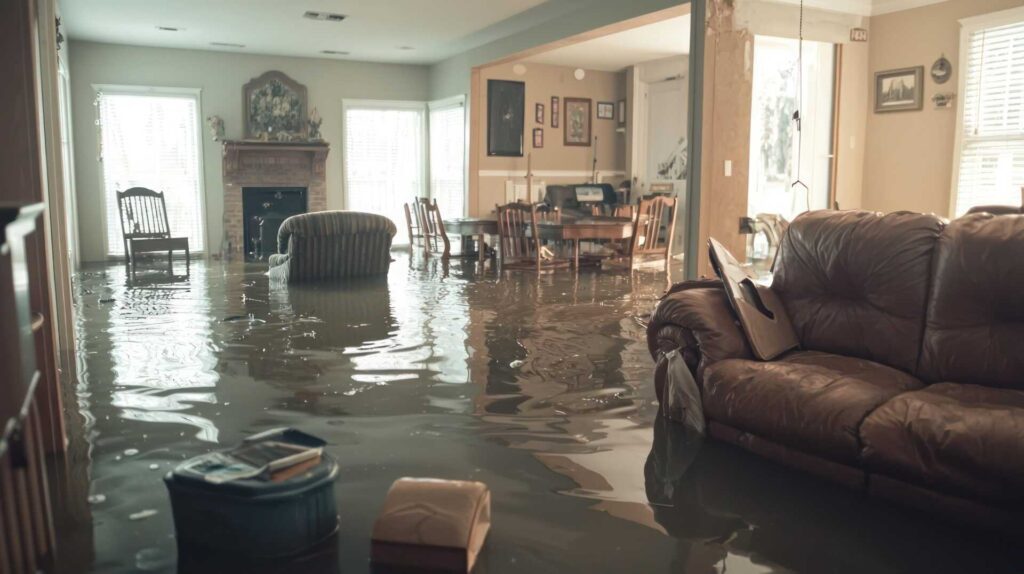
In the face of water damage, time can feel like a ticking clock, echoing the urgency of a crisis. You need effective solutions to mitigate the impact swiftly. From the immediate use of wet/dry vacuums to the importance of utilizing dehumidifiers, each method plays a critical role in emergency water extraction. Discover how these techniques work together to protect your property and prevent further issues.
Key Takeaways
- Utilize wet/dry vacuums for efficient removal of both clear and contaminated water, ensuring regular filter maintenance for optimal performance.
- Deploy submersible pumps in flooded areas to quickly extract large volumes of water with durable and efficient designs.
- Implement portable water extractors tailored for carpets, upholstery, or hard surfaces to address specific extraction challenges effectively.
- Enhance drying techniques by strategically using fans for airflow and placing dehumidifiers near moisture sources to control humidity levels.
- Conduct thorough mold inspections post-extraction to detect potential growth, and consult professional services for a comprehensive assessment and restoration.
Assessing the Water Damage Situation
When faced with water damage, how can you accurately assess the situation? Start with water source identification. Determine whether the water came from a burst pipe, flood, or another source. Knowing this helps you understand potential contaminants and necessary safety precautions.
Next, proceed to the damage severity evaluation. Inspect the affected areas thoroughly; check for structural issues, mold growth, and damage to personal belongings. Use a moisture meter to assess hidden moisture levels in walls and floors, as concealed damage can lead to long-term problems.
Document everything with photos and notes, as this information will be valuable for insurance claims and restoration efforts.
By taking these steps, you’ll gain a clearer picture of the situation, allowing you to make informed decisions about the next steps in the water extraction process.
Utilizing a Wet/Dry Vacuum
After evaluating the water damage situation, utilizing a wet/dry vacuum is a practical step for effective water extraction. This versatile tool offers significant wet/dry vacuum benefits, such as removing large volumes of water quickly and efficiently.
When you use a wet/dry vacuum, make certain you select the appropriate setting based on the water type—clear or contaminated.
To maximize its performance, remember these vacuum maintenance tips: regularly check and clean the filters to maintain suction efficiency, and empty the tank frequently to avoid overflow.
Additionally, inspect the hose for any blockages or damage, as this can hinder your extraction efforts. By following these guidelines, you’ll speed up the water removal process and extend the life of your vacuum, making it a reliable ally in emergency situations.
Embracing these techniques helps foster a sense of community and preparedness among those facing similar challenges.
Implementing Submersible Pumps
If you’re dealing with significant water accumulation, implementing submersible pumps can be a highly effective solution for rapid extraction.
These pumps are designed to operate underwater, making them ideal for flooded basements or pools.
Here’s what you can expect from proper submersible pump installation and maintenance:
- Robust design ensures durability and longevity.
- Efficient motor power for quick water removal.
- Easy-to-handle hoses for streamlined operation.
- Compact size allows for use in tight spaces.
To get the best results, make sure you follow manufacturer guidelines during installation and regularly check for clogs or wear during routine submersible pump maintenance.
This proactive approach enhances efficiency and extends the life of your equipment.
Employing Portable Water Extractors
When you face water emergencies, portable water extractors offer versatile solutions tailored for various situations.
Understanding the different types of extractors, their portability benefits, and effective usage techniques can greatly enhance your extraction efforts.
Let’s explore these key aspects to optimize your response in critical times.
Types of Portable Extractors
Portable water extractors come in various types, each designed to tackle specific water extraction challenges effectively. Understanding these types will help you choose the right portable extractor for your needs.
Here are some common categories:
Carpet Extractors: Ideal for deep-cleaning carpets and removing moisture.
Flood Extractors: Built for heavy-duty extraction in flood situations, offering high capacity.
Upholstery Extractors: Perfect for delicate fabrics, ensuring gentle yet effective moisture removal.
Hard Surface Extractors: Designed for tile and hardwood, utilizing specialized features to protect flooring.
When selecting a unit, consider portable extractor features like suction power and tank capacity.
Remember to follow extractor maintenance tips, such as regular filter cleaning, to ensure peak performance and longevity.
Benefits of Portability
The advantages of employing portable water extractors extend beyond their specific designs.
These devices enhance emergency response efficiency by allowing you to quickly address water damage in various locations. Their lightweight and compact nature makes them easy to transport, ensuring you can access hard-to-reach areas without hassle.
Additionally, portable water extraction units often come with powerful suction capabilities, enabling effective removal of standing water in minimal time. This reduces the risk of mold growth and expedites the overall restoration process.
By utilizing portable extractors, you’re equipped to handle emergencies swiftly, fostering a sense of community and support among those affected.
With these tools in hand, you’ll feel empowered to tackle water-related challenges head-on.
Usage Tips and Techniques
Utilizing portable water extractors effectively requires understanding key techniques that enhance their performance.
By employing these methods, you’ll ensure efficient water filtration during emergencies:
Pre-Inspect Equipment: Always check hoses and filters for leaks or clogs before use.
Optimize Suction Placement: Position the extractor close to the water source for maximum efficiency.
Rotate Extraction Points: Work in sections to prevent water from pooling, ensuring thorough extraction.
Follow-Up with Drying: After extraction, use fans or dehumidifiers to speed up drying and prevent mold growth.
Incorporating these strategies into your emergency preparedness plan will increase your effectiveness and confidence when using portable water extractors.
Leveraging Truck-Mounted Extractors
Truck-mounted extractors offer a powerful solution for emergency water extraction, delivering superior performance in challenging situations. Their design enhances extraction efficiency, allowing you to remove large volumes of water quickly.
These machines are equipped with high-capacity pumps and powerful vacuums, which means you can tackle serious flooding or leaks effectively.
The truck-mounted benefits extend beyond mere power; they provide you with mobility and flexibility. You won’t have to worry about setting up portable equipment in tight spaces.
Plus, with built-in water tanks and heating systems, you can maintain ideal conditions for extraction, ensuring faster drying times.
Using a truck-mounted extractor streamlines your workflow and boosts your confidence in handling emergencies.
Opening Windows and Doors for Airflow
When tackling water extraction, opening windows and doors is essential for enhancing airflow and promoting effective drying. This practice greatly aids in moisture control and supports air circulation, which is vital in preventing mold growth and further damage.
Consider these key benefits of improving airflow:
Increased evaporation: Open spaces allow moisture to escape more rapidly.
Fresh air infusion: Bringing in drier air helps dilute humidity levels.
Temperature regulation: Natural ventilation can help maintain a stable temperature, promoting quicker drying.
Enhanced drying efficiency: Optimized airflow accelerates the entire water extraction process.
Setting Up Dehumidifiers
To effectively reduce moisture, you’ll need to place dehumidifiers strategically around the affected area.
Aim for ideal humidity levels between 30-60% to prevent mold growth and structural damage.
Regularly monitor and maintain the units to ensure they operate efficiently throughout the drying process.
Ideal Dehumidifier Placement
Proper placement of dehumidifiers is crucial for maximizing their efficiency in water extraction scenarios.
By employing effective placement strategies, you can dramatically improve moisture removal. Here are some key considerations:
Position near water sources: Place dehumidifiers close to areas with visible moisture or leaks for peak extraction.
Elevate the units: Confirm dehumidifiers are off the ground to enhance air circulation and capture damp air more effectively.
Avoid obstructions: Keep the area around the dehumidifier clear of furniture or other obstacles to promote airflow.
Utilize multiple units: In larger spaces, deploy several dehumidifiers to cover more ground, increasing overall dehumidifier efficiency.
Following these strategies will ensure your dehumidifiers work at their best, creating a more comfortable and safe environment.
Optimal Humidity Levels
Achieving ideal humidity levels is essential for effective water extraction and creating a comfortable indoor environment.
To ensure optimal humidity control, set your dehumidifiers to maintain levels between 30-60%. This range minimizes moisture, preventing mold growth and structural damage.
Start by measuring the current humidity with a reliable moisture measurement device. Once you have your baseline, adjust the dehumidifier settings accordingly.
Position the dehumidifier in areas with the highest moisture concentration, such as basements or flood-affected rooms.
Regularly check humidity levels using your measurement tool to ensure you’re on track.
Maintenance and Monitoring Tips
Maintaining ideal humidity levels requires setting your dehumidifiers correctly and ongoing monitoring and care.
To ensure peak water quality and prevent mold growth, incorporate these routine inspections into your maintenance:
Check the water collection bucket: Empty regularly to avoid overflow.
Inspect air filters: Clean or replace them to maintain efficiency.
Monitor humidity levels: Use a hygrometer to track changes and adjust settings as needed.
Assess drainage systems: Confirm proper function to prevent backup.
Using Fans to Accelerate Drying
When faced with water damage, using fans effectively speeds up the drying process and minimizes the risk of mold growth. Proper fan placement is essential; position fans to direct airflow toward wet areas, ensuring that moisture evaporates quickly.
Consider the layout of the space—strategically place fans in corners or near water-logged surfaces for ideal results. Adjust the airflow direction to create a cross-ventilation effect, drawing moisture away from surfaces and promoting faster drying.
Use multiple fans if necessary; this enhances airflow and helps reach difficult spots. Remember to maintain an adequate distance between fans to prevent turbulence that can hinder drying efficiency.
For best results, run the fans continuously until the affected areas are completely dry, checking back frequently. By following these guidelines, you’ll greatly reduce drying time and safeguard your environment against potential mold infestation.
Inspecting for Mold Growth
After using fans to dry out affected areas, it’s vital to inspect for mold growth, as damp environments can quickly foster its development.
Mold can pose health risks and structural damage, so thorough inspections are fundamental for mold prevention and remediation.
When inspecting, look for:
- Discoloration: Dark spots on walls, ceilings, or floors can indicate mold presence.
- Musty Odors: A strong, earthy smell often signals hidden mold growth.
- Condensation: Frequent moisture on windows or walls can lead to mold.
- Water Stains: Previous water damage might suggest a potential mold issue.
If you find any signs, it’s important to act promptly.
Implementing effective mold prevention strategies and considering mold remediation can keep your environment safe and healthy.
Stay vigilant, and you’ll ensure that your space remains mold-free and welcoming for everyone.
Consulting With Professional Water Restoration Services
When facing water damage, consulting with professional water restoration services is essential for effective recovery.
These experts use advanced assessment techniques and specialized equipment to accurately identify the extent of the damage.
Additionally, their timely response strategies minimize further complications, ensuring a thorough restoration process.
Expert Assessment Techniques
To effectively address water damage, you must consult with professional water restoration services that employ expert assessment techniques.
These specialists conduct thorough water assessments and damage evaluations to determine the extent of the issue. They utilize a systematic approach to ensure no hidden problems remain.
- Infrared cameras to detect moisture behind walls
- Moisture meters for precise readings
- Detailed visual inspections to identify damage
- Extensive reports outlining the necessary steps
Advanced Equipment Utilization
Professional water restoration services leverage advanced equipment to ensure efficient and effective water extraction.
You’ll find that these experts utilize high-powered pumps and industrial-grade dehumidifiers to remove excess water quickly. They employ advanced drying techniques, ensuring that even hidden moisture is addressed.
Through the use of moisture detection methods, they can accurately identify and target areas affected by water damage, preventing mold growth and structural issues.
This combination of technology and expertise speeds up the restoration process and minimizes the risk of long-term damage.
Timely Response Strategies
Swift action is essential in mitigating water damage, and consulting with professional water restoration services offers the fastest route to effective solutions.
When disaster strikes, your emergency preparedness hinges on quick decision making. Partnering with experts ensures you tackle the situation promptly and efficiently.
Consider these key benefits of professional assistance:
- Rapid assessment of water damage, identifying the source and extent.
- Advanced extraction techniques that minimize further damage.
- Expert drying methods to make sure no moisture lingers, preventing mold growth.
- Comprehensive restoration services that return your space to its original condition.
Wrap-Up
Addressing water damage promptly is crucial for preventing further issues. Did you know that water can cause significant damage within just 24 hours? By utilizing the top extraction solutions, like wet/dry vacuums and dehumidifiers, you can minimize this risk effectively. Remember, monitoring moisture levels and consulting professionals ensures a thorough approach to restoration. Taking swift action protects your property and safeguards your health from mold and structural damage.
Recent Posts
Top Tools for Efficient Home Flood Recovery
When facing home flood recovery, it’s vital to have the right tools at your disposal.
7 Best Tools for Effective Flood Cleanup
When tackling flood cleanup, knowing what tools to use, understanding their purpose, and mastering their
What Are Effective Techniques for Detecting Pipe Leaks?
Detecting pipe leaks is essential for maintaining infrastructure and preventing costly damage. You can utilize