
Contents
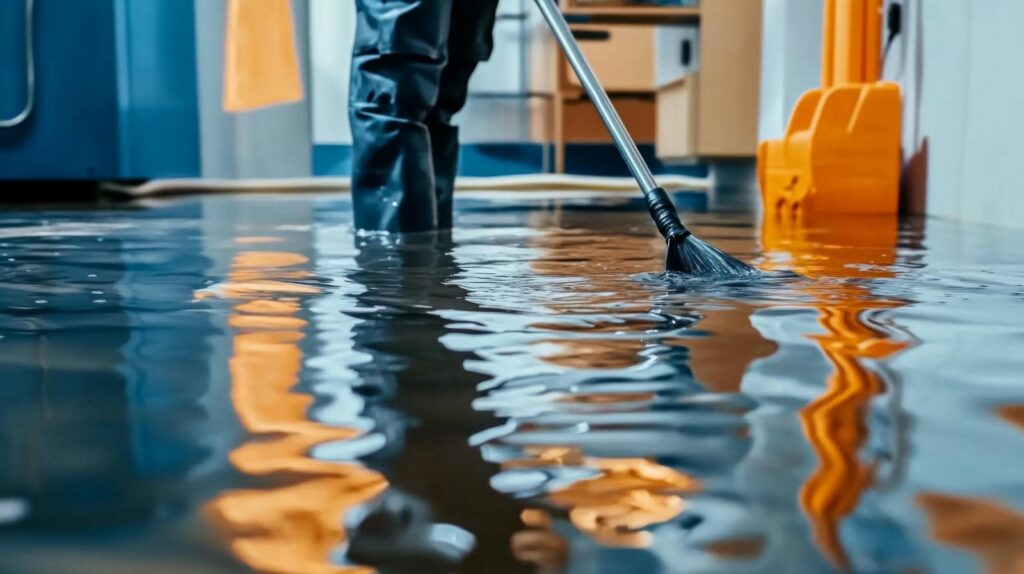
When dealing with basement water damage, your first step is to assess the situation accurately. Look for signs like discoloration or mold growth. Once you understand the extent of the damage, effective water extraction becomes vital. After that, drying and sanitizing the area will be essential to prevent future issues. However, understanding these strategies is just the beginning; there are specific techniques and tools that can make all the difference in recovery.
Key Takeaways
- Assess water damage by identifying discoloration, musty odors, and mold growth, and document findings for reference.
- Use appropriate water extraction techniques based on the type of water present, employing pumps and vacuum extractors.
- Employ dehumidifiers and fans to thoroughly dry the area, preventing mold growth and ensuring proper ventilation.
- Clean and sanitize affected surfaces with EPA-approved disinfectants, ensuring all areas are scrubbed and rinsed.
- Implement preventive measures like installing sump pumps, sealing cracks, and maintaining proper drainage to avoid future issues.
Assessing the Extent of Water Damage
Before you can effectively address basement water damage, you must first evaluate its extent. Start by identifying water damage indicators, such as discoloration on walls, musty odors, or visible mold growth.
Use a moisture meter to measure humidity levels in affected areas. This step is vital for determining the severity of the damage and the necessary recovery measures.
Document your findings with photographs and notes, as this will support your insurance claims later. Make sure to record the date and specific locations of damage, as this information can streamline the claims process.
If you find extensive damage, consider engaging a professional for a thorough evaluation. They can help you pinpoint hidden issues that may not be immediately visible.
Implementing Effective Water Extraction Techniques
Once you’ve assessed the extent of the water damage, the next step is to implement effective water extraction techniques.
Utilizing the right pumping systems and extraction methods is essential for minimizing damage and preventing mold growth.
Here’s a concise approach to streamline your extraction process:
Identify Water Type: Determine if the water is clean, gray, or black, as this influences your extraction method.
Select Equipment: Choose appropriate pumps, such as submersible or sump pumps, based on water volume.
Use Extraction Tools: Employ vacuum extractors or truck-mounted systems for efficient water removal.
Ensure Safety: Always wear protective gear and confirm electrical systems are safe before starting.
Drying and Dehumidifying the Affected Area
After successful water extraction, drying and dehumidifying the affected area is essential to prevent mold growth and further structural damage. You’ll want to employ effective ventilation methods and moisture control strategies to ensure the space dries quickly and thoroughly. Here’s a quick overview of useful techniques:
| Method | Description | Benefits |
|---|---|---|
| Dehumidifiers | Use portable units to remove moisture | Reduces humidity levels |
| Fans | Position strategically to enhance airflow | Speeds up drying process |
| Open Windows | Allow fresh air to circulate | Improves overall ventilation |
| Heat Sources | Speeds up the drying process | Accelerates evaporation |
Cleaning and Sanitizing Surfaces
Cleaning and sanitizing surfaces is an essential step in the recovery process following water damage. Proper surface treatment removes contaminants and plays a vital role in mold prevention.
Here’s how to effectively clean and sanitize your basement surfaces:
Remove Debris: Clear away any standing water and debris to prepare for cleaning.
Use Appropriate Cleaners: Select EPA-approved disinfectants that target mold and mildew.
Scrub Surfaces: Apply the cleaner with a scrub brush to ensure thorough coverage, especially in corners and crevices.
Rinse and Dry: Rinse surfaces with clean water and dry them completely to prevent new mold growth.
Preventing Future Water Damage Issues
To effectively prevent future water damage issues in your basement, it’s vital to implement proactive measures that address potential vulnerabilities.
Start by installing sump pumps, which can efficiently remove excess water and keep your basement dry during heavy rains. Make sure to choose a reliable pump with a battery backup to ensure it operates during power outages.
Next, inspect your basement walls and floors for any cracks. Sealing cracks with waterproof sealant is important to prevent water intrusion.
Regularly check the exterior of your home for drainage issues, and verify gutters are clean and directed away from the foundation.
Additionally, consider improving your landscaping to promote proper water flow away from your home.
By taking these steps, you’ll create a secure barrier against moisture, fostering a healthier environment, and safeguarding your belongings.
Final Thoughts
To effectively recover from basement water damage, you need to assess the damage, extract the water, dry the area, clean the surfaces, and prevent future issues. By promptly identifying problems, utilizing efficient extraction methods, enhancing drying processes, thoroughly sanitizing, and implementing preventive measures, you’ll protect your home from further risks. Stay vigilant, stay proactive, and stay prepared to safeguard your basement against water damage, ensuring a healthier living environment for you and your family.
Recent Posts
Top Tools for Efficient Home Flood Recovery
When facing home flood recovery, it’s vital to have the right tools at your disposal.
7 Best Tools for Effective Flood Cleanup
When tackling flood cleanup, knowing what tools to use, understanding their purpose, and mastering their
What Are Effective Techniques for Detecting Pipe Leaks?
Detecting pipe leaks is essential for maintaining infrastructure and preventing costly damage. You can utilize