
Contents
Many believe that filing a water damage claim is a straightforward process, but that’s often not the case. It requires careful attention to detail and a clear understanding of your insurance policy. If you’re facing water damage, it’s essential to approach the situation methodically. Understanding each step can make a significant difference in the outcome of your claim. So, how do you navigate this complex process effectively?
Key Takeaways
- Identify the water source and assess damage to document findings and gauge severity before filing a claim.
- Take clear photographs and create a detailed inventory of damaged items with descriptions and estimated values.
- Notify your insurance company within 24 to 48 hours, providing detailed information about the incident and the extent of the damage.
- Gather all necessary documentation, complete claim forms accurately, and double-check for submission deadlines to ensure eligibility for compensation.
- Maintain proactive communication with the claims adjuster, documenting all interactions and following up regularly for updates on your claim status.
Assessing the Water Damage
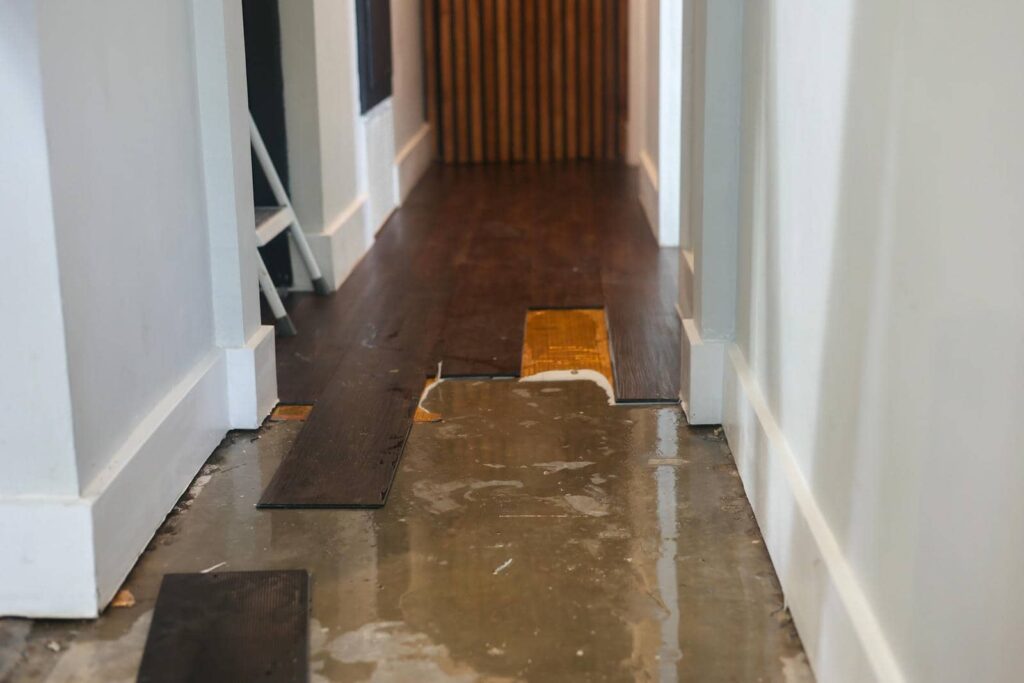
When you discover water damage in your home, it’s essential to assess the situation immediately to understand the extent of the impact.
Start by identifying the water source, whether it’s from a burst pipe, roof leak, or flooding. This knowledge is critical, as it informs your next steps in mitigation.
Conduct a thorough damage assessment by checking affected areas, including walls, floors, and ceilings. Look for signs like discoloration, warping, or mold growth, which indicate severe damage. Documenting these findings will be important later on.
Take note of how long the water’s been present, as this affects the severity of the damage. By understanding the situation clearly, you’ll be better equipped to address the issue effectively and seek any necessary assistance.
Documenting the Incident
Documenting the incident is an essential step in managing water damage effectively. Start by taking clear photographic evidence of all affected areas. Capture images from multiple angles to showcase the extent of the damage.
Next, create a detailed damage inventory, listing each item impacted by the water. Include descriptions, estimated values, and the condition of each item. This thorough documentation helps you understand the full scope of the incident and serves as significant evidence when filing your claim.
Notifying Your Insurance Company
Notifying your insurance company promptly is crucial after experiencing water damage, and ideally, you should do this within 24 to 48 hours. This quick action helps ensure your claim is processed efficiently.
When you contact your insurer, be prepared to discuss the incident in detail, including the extent of the damage and any immediate repairs you’ve made. Understanding coverage is important—know what your policy includes to avoid common pitfalls, like assuming certain damages are covered without checking.
Provide any documentation, such as photos or repair estimates, to support your claim. This proactive approach strengthens your case and fosters a sense of community as you navigate the claims process with your insurer.
Submitting the Claim
After you’ve notified your insurance company, the next step is submitting your claim, which requires careful attention to detail.
Start by gathering all necessary documentation, including photos of the damage, repair estimates, and any relevant receipts. Fill out the claim forms accurately, ensuring that all information is complete and truthful.
Pay special attention to claim deadlines, as missing them can jeopardize your compensation. Double-check your submission for accuracy before sending it off, whether electronically or by mail.
Keep a copy of everything you submit for your records. By staying organized and meeting all requirements, you’ll enhance your chances of a smooth claims process and feel more connected to the support your insurance offers during this challenging time.
Following Up on Your Claim
Once you’ve submitted your claim, it’s vital to stay proactive in following up. Maintaining open lines of communication can greatly influence your claim’s progress.
Here are some effective communication strategies to ensure you receive timely claim updates:
Set Reminders: Regularly check in with your claims adjuster, ideally every few days.
Document Everything: Keep a record of all conversations, including dates and names.
Be Clear and Concise: When reaching out, state your questions or concerns directly to avoid misunderstandings.
Use Multiple Channels: Don’t hesitate to reach out via email, phone, or even social media for faster responses.
Frequently Asked Questions
What Types of Water Damage Are Typically Covered by Insurance?
Most insurance policies cover sudden water damage, like burst pipes or roof leaks, but typically exclude flood damage. Mold remediation costs might be covered if it’s a result of a covered incident, so check your policy.
How Long Do I Have to File a Water Damage Claim?
You typically have one to two years to file a water damage claim, depending on your policy. It’s essential to understand claim deadlines to navigate the filing process effectively and ensure your coverage remains intact.
Will My Insurance Premium Increase After Filing a Claim?
Oh sure, filing a claim’s like inviting your insurance company to a surprise party—expect premium adjustments! Your claim will likely impact your rates, so brace yourself for those delightful conversations about your new, increased premium.
Can I Handle Repairs Before the Insurance Adjuster Inspects?
You shouldn’t handle repairs before the insurance adjuster inspects, as it could affect your claims process. Review your insurance policy; documenting the repair timeline is essential for ensuring you receive the full benefits you’re entitled to.
What if My Claim Is Denied or Underpaid?
If your claim’s denied or underpaid, don’t lose hope. Analyze denial reasons thoroughly and employ effective claims appeal strategies. Connecting with others who’ve faced similar situations can also provide valuable insights and support during this challenging time.
Review
In the wake of a water disaster, steering through the claims process can feel like sailing through stormy seas. By following this guide, you can chart a clear course toward recovery. From evaluating the damage to maintaining open lines of communication with your claims adjuster, each step is essential in reclaiming your peace of mind. Remember, persistence is key, and with diligence, you can emerge from this tempest stronger and more prepared for whatever challenges lie ahead.
Recent Posts
Top Tools for Efficient Home Flood Recovery
When facing home flood recovery, it’s vital to have the right tools at your disposal.
7 Best Tools for Effective Flood Cleanup
When tackling flood cleanup, knowing what tools to use, understanding their purpose, and mastering their
What Are Effective Techniques for Detecting Pipe Leaks?
Detecting pipe leaks is essential for maintaining infrastructure and preventing costly damage. You can utilize