
Contents
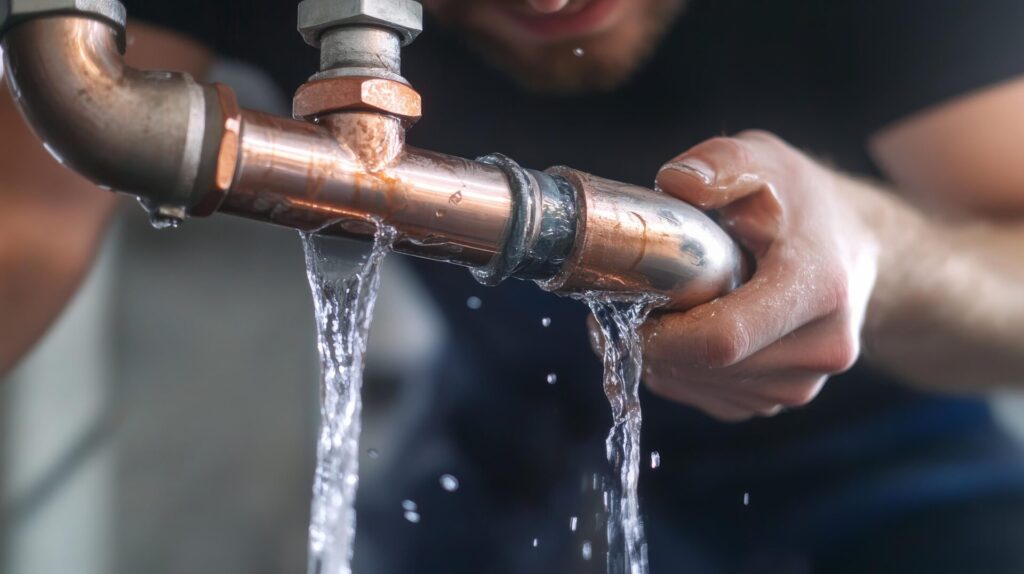
When a Burst Pipe strikes, every second counts. You need to act fast to minimize damage and restore order. First, shut off the main water supply to stop the flow. Next, assess the situation and take necessary safety precautions. Removing standing water and thoroughly drying affected areas is vital to avoid further complications. Want to know the best methods for handling the aftermath and preventing future issues? Let’s explore the essential steps you need to take.
Key Takeaways
- Immediately shut off the main water supply to prevent further flooding and damage.
- Turn off electricity in affected areas to avoid electrical hazards during cleanup.
- Use a wet/dry vacuum or submersible pump to remove standing water quickly.
- Employ dehumidifiers and ventilation to dry out the affected areas efficiently.
- Document all damage with photos and notes for insurance claims and recovery planning.
Assessing the Damage: Initial Steps to Take
When a pipe bursts, it’s crucial to act quickly to minimize damage and ensure safety. Start your damage evaluation by examining the affected area. Look for signs of water pooling or structural issues. Document everything with photos; this’ll support your insurance claims later.
Next, identify what’s damaged. Check for wet walls, soaked carpets, or ruined furniture. Make notes of specific items needing replacement and their estimated costs. This information’s important when filing your claims.
Don’t forget to turn off the electricity in affected areas to prevent hazards.
If the damage is extensive, consider contacting a professional for an accurate evaluation.
Shutting Off the Water Supply
To effectively minimize water damage after a pipe bursts, you need to shut off the water supply as soon as possible.
Locate your main water shutoff valve, typically found near the water meter or where the main line enters your home. Turn the valve clockwise until it’s fully closed. If you’re unsure, consult your emergency contacts—like a plumber or your local water utility—who can guide you through the process.
If you’re in a rental, reach out to your landlord immediately.
After shutting off the water, check for additional shutoff valves for any affected appliances. This helps contain the issue further.
Remember, acting quickly is vital to preventing extensive damage.
Once the water supply is off, you can focus on addressing the leak and planning your next steps, such as cleanup and repairs. Your swift action can make all the difference in restoring your space.
Safety Precautions During Cleanup
After shutting off the water supply, safety becomes your top priority during cleanup. Equip yourself with personal protective equipment (PPE) like gloves, goggles, and masks to shield against potential hazards. Water contamination or sharp debris can pose serious risks, so don’t take chances.
Ensure you have emergency equipment readily available. A first aid kit should be on hand for minor injuries, while a flashlight can illuminate dark areas where water may have pooled. If you’re using electrical tools, inspect them for damage to prevent shock.
Keep your workspace organized to avoid slips and falls. Make sure to ventilate the area properly, especially if mold or mildew is a concern.
Always communicate with anyone assisting you, ensuring everyone understands the safety protocols in place. Prioritizing safety protects you and fosters a sense of teamwork as you tackle the cleanup together.
Removing Standing Water Efficiently
While standing water can cause significant damage, removing it quickly and efficiently is essential to minimize further issues. Start by evaluating the area to determine the extent of the water. Use a wet/dry vacuum for efficient removal; it’s powerful and can handle large volumes. If the water level is high, consider using a submersible pump to expedite the process.
Make sure you’re wearing appropriate safety gear, including gloves and boots.
Once you’ve removed the majority of the standing water, use fans and dehumidifiers to eliminate residual moisture. This helps prevent mold growth and further damage.
Don’t forget to check hidden areas like under cabinets or behind appliances, as water can accumulate unnoticed.
Drying Out Affected Areas
Once you’ve removed standing water, it’s essential to assess the extent of the damage.
Use dehumidifiers effectively to draw out moisture, and make certain you ventilate affected spaces properly to promote airflow.
This combination will help you dry out the area quickly and prevent further issues like mold growth.
Assess Water Damage Extent
How can you effectively assess the extent of water damage in your home? Start with a thorough water inspection to identify affected areas.
Look for discoloration, warping, or dampness on walls, floors, and ceilings. Pay close attention to hidden spots, like behind appliances and under carpets.
Once you’ve pinpointed the damage, conduct a damage evaluation to determine how deep the water has penetrated. Use a moisture meter if available; this tool can provide precise readings.
Document your findings, noting the severity and location of damage. This assessment is essential for deciding your next steps, whether that’s drying out affected areas or calling in professionals.
Use Dehumidifiers Effectively
To effectively dry out affected areas after a burst pipe, using dehumidifiers is essential.
Make sure to adjust your dehumidifier settings for maximum efficiency. Here are some tips for ideal placement and usage:
- Position dehumidifiers in the center of the room for better air circulation.
- Keep doors and windows closed to prevent outside humidity from interfering.
- Check the water level frequently and empty the tank as needed.
- Run the dehumidifier continuously until the area feels dry and comfortable.
Ventilate Affected Spaces Properly
While using dehumidifiers is essential, proper ventilation of affected spaces greatly enhances the drying process.
To achieve peak results, employ effective ventilation techniques. Open windows and doors to promote air circulation, allowing fresh air to flow in and moisture-laden air to escape. If conditions permit, use fans to increase airflow, directing them toward wet areas. This helps evaporate moisture more efficiently.
Consider using exhaust fans in bathrooms or kitchens to further expedite drying. If it’s safe, leave doors open between rooms to create cross-ventilation.
Repairing the Burst Pipe
When a pipe bursts, addressing the issue promptly is essential to prevent further damage.
Start by identifying the pipe materials involved, as different types require specific repair techniques.
Here’s how you can effectively repair the burst pipe:
Shut off the water supply: This minimizes damage and gives you a dry workspace.
Assess the damage: Look for cracks or holes to determine the repair needed.
Choose the right repair technique: Options include using epoxy putty for small leaks, pipe clamps for larger ones, or replacing sections of the pipe if needed.
Test the repair: Once you’ve completed the fix, slowly turn the water back on to check for leaks.
Preventing Future Pipe Bursts
Preventing future pipe bursts requires proactive measures to address potential vulnerabilities in your plumbing system.
Start by ensuring you have proper pipe insulation, especially in unheated areas like basements and attics. Insulation helps maintain a stable temperature, reducing the risk of freezing.
Next, commit to seasonal maintenance. Regularly check for leaks, corrosion, or signs of wear.
During colder months, let faucets drip slightly to keep water moving and reduce pressure in the pipes. Also, drain outdoor hoses and disconnect them to prevent freezing.
Consider having a professional inspect your plumbing system annually. They can identify potential issues that might go unnoticed.
Summary
In the chaos after a burst pipe, quick action is your best ally. You’ve shut off the water, donned protective gear, and tackled the standing water, all while the clock ticks. By repairing the pipe and implementing preventive measures, you restore order and fortify your space against future mishaps. Your swift response transforms disaster into resilience.
Recent Posts
Top Tools for Efficient Home Flood Recovery
When facing home flood recovery, it’s vital to have the right tools at your disposal.
7 Best Tools for Effective Flood Cleanup
When tackling flood cleanup, knowing what tools to use, understanding their purpose, and mastering their
What Are Effective Techniques for Detecting Pipe Leaks?
Detecting pipe leaks is essential for maintaining infrastructure and preventing costly damage. You can utilize