
Contents
It’s a strange coincidence that storm damage season often catches us off guard, leaving many unprepared for the aftermath. When disaster strikes, knowing how to tackle the cleanup efficiently can make a significant difference. You’ll need to assess the damage quickly, but what comes next? Understanding the steps to take can help you minimize risks and restore your home effectively. Let’s explore these strategies together.
Key Takeaways
- Conduct a thorough damage assessment, prioritizing cleanup efforts based on urgency and safety concerns.
- Shut off utilities such as power, gas, and water to prevent further hazards.
- Use appropriate tools like buckets or wet/dry vacuums to remove standing water effectively.
- Document damage with photographs and detailed records for insurance claims and future reference.
- Reach out to community resources for support and consider professional help for extensive repairs.
Assess the Damage Immediately
As you step outside after the storm, it’s vital to assess the damage immediately to prioritize your cleanup efforts effectively.
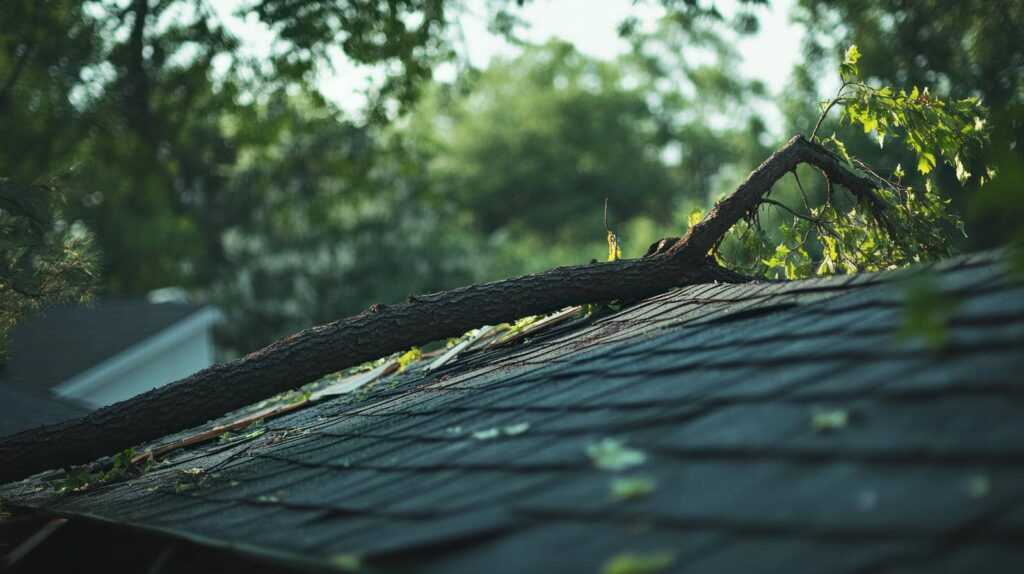
Start with a thorough damage evaluation of your property. Look for downed branches, damaged roofs, and flooded areas. This initial assessment helps you understand what needs urgent attention and what can wait.
Before diving into cleanup, remember that safety precautions are important. Wear sturdy shoes and gloves to protect yourself from sharp debris or hidden hazards.
If you spot any downed power lines, maintain a safe distance and report them to the utility company.
Engaging with your neighbors can also foster a sense of community. Share information and resources; you’re not alone in this.
By tackling the damage together, you expedite recovery and strengthen bonds.
Ultimately, a methodical approach to damage evaluation and safety will guide you through the challenging process ahead.
Turn Off Utilities
After evaluating the damage, it’s crucial to turn off utilities to prevent further hazards.
Utility safety is your top priority during this critical time. If you suspect any damage to electrical lines, gas leaks, or water issues, take immediate action.
Here’s what you should do:
- Locate the main electrical panel and shut off the power.
- Turn off the gas supply at the meter if you smell gas or hear hissing.
- Shut off the water supply to prevent flooding or additional damage.
- Keep a list of emergency contacts handy for utility companies and local services.
- Document any issues you encounter for future reference.
Document Everything
After a storm, documenting the damage is essential for your recovery process.
Start by taking photographs of all affected areas, and keep a detailed record of what you find.
Make sure to organize your insurance information, as this will streamline your claims and help you get the support you need.
Take Photographs Immediately
While chaos surrounds you in the aftermath of a storm, taking photographs immediately can be one of the most crucial steps in the cleanup process.
These images serve as essential documentation for insurance claims, repairs, and emotional healing. Utilize effective photograph techniques, ensuring you capture both wide shots and close-ups. Store these digital files securely to avoid loss.
- Focus on damaged structures and personal property.
- Capture before cleanup and after for comparison.
- Document any injuries or safety hazards.
- Include timestamps to establish context.
- Organize images in folders for easy access.
Keep a Detailed Record
Photographs alone aren’t enough to capture the full scope of storm damage. You need to keep a detailed record of everything affected, from structural issues to personal belongings.
Document dates, times, and descriptions of the damage to create a thorough account that supports your insurance claims. This meticulous record-keeping aids in your claims process and helps you process your feelings during a challenging time.
When you can clearly present the extent of the damage, you strengthen your case with your insurance provider. Plus, having everything documented can provide a sense of control amidst chaos.
Your journey matters, and thorough records can connect you to the support you need to rebuild and recover.
Organize Insurance Information
Organizing your insurance information is essential for a smooth claims process after storm damage.
You’ll need to have your documents in order, ensuring you’re prepared to navigate the complexities of your insurance policy. This organization speeds up the claim process and alleviates stress during a challenging time.
Here’s what you should gather:
- Policy number and coverage details
- Contact information for your insurance agent
- Photos of damage and property inventory
- Any correspondence related to past claims
- Receipts for repairs or temporary relocation
Remove Standing Water
After a storm, one of the first priorities is to remove standing water from your property. Standing water can lead to more significant issues like mold growth and structural damage if not addressed quickly.
Start by evaluating the areas where water has accumulated. If it’s shallow, you can use a bucket or a wet/dry vacuum for effective water removal. For larger pools of water, consider a pump, especially if it’s more than a few inches deep.
Remember to wear protective gear when wading through water, as it may be contaminated. While you’re working, keep an eye out for hazards like sharp debris.
Doing this helps your property and fosters a sense of community, as you may encourage neighbors to do the same.
This collective effort can speed up recovery and restore the environment around you, making your neighborhood feel whole once again.
Dry Out Affected Areas
Once you’ve removed standing water, the next crucial step is to dry out the affected areas to prevent further damage and mold growth.
You need to act swiftly and methodically, using tools and techniques to promote air circulation and reduce humidity. Here are some practical strategies:
- Use dehumidifiers to extract moisture from the air.
- Open windows and doors to enhance natural airflow.
- Utilize fans to increase air circulation, especially in enclosed spaces.
- Remove soaked materials like carpets and drywall, as they can retain moisture.
- Monitor humidity levels regularly to ensure they stay low.
Clean and Disinfect
As you begin the cleanup process, it’s essential to focus on cleaning and disinfecting the affected areas to eliminate harmful bacteria and prevent health risks.
Start by gathering your cleaning supplies, including gloves, masks, sponges, and disinfectants. Prioritize surfaces that came into contact with floodwater, as they’re at higher risk for contamination.
Use effective disinfecting techniques, such as applying a bleach solution or commercial disinfectant according to the manufacturer’s instructions. Be certain to scrub surfaces thoroughly, allowing the disinfectant to sit for the recommended time before rinsing.
Don’t forget to clean items that can be saved, like furniture and appliances, to verify they’re safe for use.
It’s understandable to feel overwhelmed, but remember you’re not alone in this. By taking these steps, you protect your health and contribute to restoring your space and sense of community.
Check for Mold Growth
After a storm, it’s essential to check for mold growth in your home.
Focus on moisture-prone areas like basements and bathrooms, and consider using mold testing kits to assess the situation accurately.
Identify Moisture-Prone Areas
Identifying moisture-prone areas in your home is essential for preventing mold growth after a storm. By locating these areas, you can effectively manage moisture sources and implement humidity control strategies.
Start by inspecting the following:
- Basements and crawl spaces
- Bathrooms and kitchens
- Under sinks and behind appliances
- Attics and roof leaks
- Around windows and doors
Each of these spots can trap moisture, creating an ideal environment for mold. Addressing these areas promptly helps maintain a healthier living space.
Use Mold Testing Kits
While tackling storm damage, it’s crucial to check for mold growth, as it can pose serious health risks.
Using mold testing kits can help you identify hidden spores that might compromise your indoor air quality. These kits are easy to use and provide quick results, allowing you to address any issues swiftly.
By incorporating mold prevention techniques, like maintaining proper ventilation and controlling humidity levels, you can create a healthier environment for yourself and your loved ones.
Remember, mold doesn’t just affect your home; it impacts your well-being too, so being proactive is key.
You’re not alone in this—many people face similar challenges, and taking these steps can foster a sense of community and support in your recovery efforts.
Implement Preventive Measures
To effectively implement preventive measures against mold growth, it’s essential to regularly inspect areas prone to moisture, such as basements, bathrooms, and kitchens.
By adopting stormproofing techniques and committing to seasonal maintenance, you can safeguard your home and well-being. Here are some practical steps to reflect on:
- Ensure proper ventilation in damp areas.
- Keep gutters and downspouts clear and functional.
- Use dehumidifiers in high-moisture spaces.
- Seal leaks in walls, roofs, and windows promptly.
- Regularly check plumbing for leaks and address issues immediately.
These strategies minimize the risk of mold and foster a healthier living environment.
Restore and Repair Damaged Structures
When a storm leaves structures in disrepair, addressing the damage quickly and efficiently becomes essential for safety and recovery.
First, assess the structural integrity of your building. Look for cracks, sagging, or water damage. These signs can indicate underlying issues that need immediate attention.
Once you’ve identified the problems, consider repair techniques that suit your needs. For minor damage, patching and sealing might suffice. However, more extensive damage may require professional help to ensure safety and compliance with local codes.
Don’t hesitate to reach out to community resources or local contractors who specialize in storm damage restoration. They can offer valuable insights and support during this challenging time.
Conclusion
In the wake of a storm, you might think chaos reigns, but it’s in this turmoil that you find clarity. By following these quick cleanup strategies, you transform a formidable mess into manageable tasks. As you assess damage, turn off utilities, and document everything, you reclaim control. Remember, while nature can wreak havoc, your proactive steps can guide your recovery. So, embrace the irony: in storm cleanup, diligence shines brighter than the darkest clouds.
Recent Posts
Top Tools for Efficient Home Flood Recovery
When facing home flood recovery, it’s vital to have the right tools at your disposal.
7 Best Tools for Effective Flood Cleanup
When tackling flood cleanup, knowing what tools to use, understanding their purpose, and mastering their
What Are Effective Techniques for Detecting Pipe Leaks?
Detecting pipe leaks is essential for maintaining infrastructure and preventing costly damage. You can utilize