
Contents
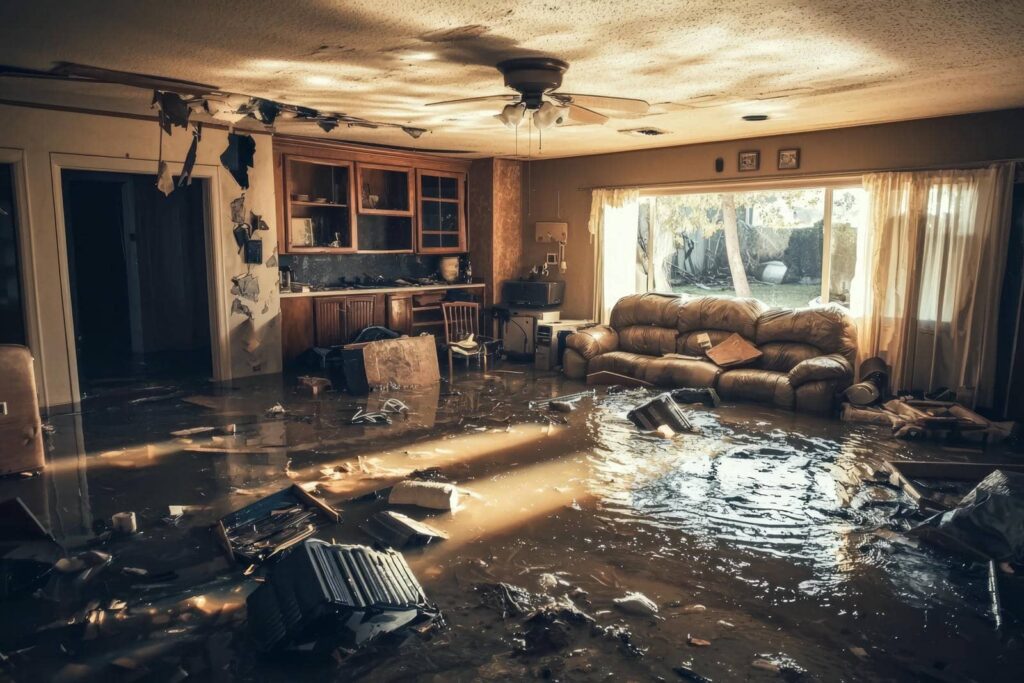
After a heavy rainstorm, you might find your home submerged and in disarray. It’s essential to prioritize safety during the post-cleanup process. From evaluating structural integrity to protecting against mold growth, each step plays an important role in restoring your space. You’ll need to navigate electrical concerns and guarantee proper disposal of contaminated materials. Understanding how to approach these challenges can make all the difference in your recovery. So, what should you tackle first?
Key Takeaways
- Inspect the foundation for cracks or shifting and seek professional help for any structural repairs needed to ensure safety.
- Schedule a qualified electrician to inspect wiring and appliances for damage before restoring power to prevent electrical hazards.
- Remove wet materials and use dehumidifiers to lower humidity levels, preventing mold growth and ensuring a healthier indoor environment.
- Dispose of contaminated materials following local regulations and utilize recycling options to minimize waste during cleanup.
- Always wear personal protective equipment, including gloves, masks, and goggles, to safeguard against chemicals and airborne contaminants during cleanup.
Assessing Structural Integrity
When evaluating the structural integrity of your home after a flood, it’s important to act quickly but carefully.
Start with a thorough foundation inspection, as this is vital for ensuring your home’s safety. Look for cracks, shifting, or any signs of water damage. If you notice any issues, don’t hesitate to reach out to professionals for structural repairs. They can provide the expertise needed to restore your home to its former strength.
Remember, your home is more than just walls; it’s where you create memories and feel secure. Taking these steps not only protects your investment but also helps you rebuild a safe haven for you and your loved ones.
Prioritize safety and stability as you move forward.
Ensuring Electrical Safety
After a flood, guaranteeing electrical safety is essential for protecting your home and loved ones. Start by scheduling electrical inspections with a qualified professional. They’ll check for any damage to wiring, outlets, and appliances that could pose serious risks.
Don’t attempt to power on any electrical devices until you’re sure it’s safe. Always prioritize circuit safety; confirm that circuit breakers are functioning properly and can handle the load. If you notice any flickering lights or burnt smells, turn off the power immediately.
Protecting Against Mold Growth
Since floodwaters can leave behind moisture, it’s crucial to act quickly to prevent mold growth in your home.
Start by removing any wet materials, like carpets and furniture, to minimize humidity levels.
Implement mold prevention strategies such as using dehumidifiers and fans to improve air circulation.
Keep indoor humidity below 60% by regularly checking moisture levels with a hygrometer.
Guarantee proper ventilation in bathrooms and kitchens, and consider using mold-resistant products during repairs.
If you notice any signs of mold, address them immediately.
Remember, taking these steps not only protects your home but also promotes a healthier living environment for you and your loved ones.
Together, we can create a safe and welcoming space.
Properly Disposing of Contaminated Materials
To guarantee a safe recovery from flooding, it’s essential to properly dispose of any contaminated materials. Start by identifying items that may pose health risks, such as soaked carpets, drywall, and furniture.
These are often considered hazardous waste and require special handling. Don’t just throw them in the trash; check local regulations for disposal guidelines. Many communities offer recycling options for certain materials, helping you minimize waste and protect the environment.
When in doubt, contact your local waste management service for advice. You’re not alone in this process—reach out to neighbors or support groups who’ve experienced similar situations.
Together, you can navigate the recovery journey and ascertain a safer living environment for everyone involved.
Using Personal Protective Equipment (PPE)
When you’re dealing with the aftermath of flooding, using personal protective equipment (PPE) is essential for your safety. This gear not only protects you from contaminants but also helps prevent injuries. Here are some common PPE types you should consider:
| PPE Type | Purpose | Maintenance Tips |
|---|---|---|
| Gloves | Protects hands from chemicals | Inspect for tears; replace if damaged |
| Masks | Filters airborne particles | Clean or dispose after use |
| Boots | Keeps feet dry and safe | Rinse off mud; check for leaks |
| Goggles | Shields eyes from debris | Wipe clean; store properly |
Remember to maintain your PPE regularly. By prioritizing safety, you’re ensuring a healthier environment for yourself and your loved ones during this challenging time.
Monitoring Air Quality
After flooding, it’s essential to monitor the air quality in your home.
Check for mold growth, as it can pose serious health risks, and make certain you ventilate affected areas to promote airflow.
Using air purifiers can also help reduce airborne contaminants and keep your indoor environment safe.
Check for Mold Growth
How can you guarantee a safe environment in your home after flooding? One of the most vital steps is checking for mold growth.
Mold can develop quickly in damp areas, so you need to act fast. Use inspection techniques like visual checks for discoloration or a musty smell. Don’t forget to look behind walls and under carpets, as mold often hides in these places.
For effective mold prevention, make sure you dry out all affected areas thoroughly within 24 to 48 hours.
If you find mold, consider using a mixture of water and detergent for smaller patches or call in professionals for larger infestations.
Ventilate Affected Areas
Once you’ve tackled mold growth, it’s important to focus on ventilating affected areas to guarantee the air quality in your home is safe.
Start by opening windows and doors to promote air circulation. This simple step helps reduce humidity levels, making it harder for mold to thrive again. If weather conditions aren’t ideal, consider using fans to keep the air moving. You can also leave interior doors open to allow airflow between rooms.
Regularly monitor humidity levels with a hygrometer; aim to keep it below 60%.
Use Air Purifiers
While you’ve taken essential steps to clean up after a flood, using air purifiers can greatly enhance your home’s air quality. These devices help remove dust, mold spores, and other contaminants that can linger after flooding.
It’s vital to choose a purifier with a HEPA filter, as it effectively traps small particles, ensuring cleaner air for you and your family.
Don’t forget about filter maintenance; regularly check and replace filters as needed to maintain peak performance. This simple task can make a significant difference in your home’s air quality.
Preventing Future Flooding Risks
To effectively prevent future flooding risks, it’s essential to assess your home’s vulnerabilities and take proactive measures.
Start by implementing flood resistant landscaping, which can redirect water away from your home. Consider planting native vegetation that absorbs excess rainwater and installing rain gardens for better drainage.
Connect with community resources, like local flood control programs or neighborhood groups, to stay informed about flood risks and share strategies.
Regularly check your gutters and downspouts to guarantee they’re clear, and consider installing a sump pump if you’re in a high-risk area.
Documenting Damage for Insurance Claims
As you begin the challenging task of documenting damage for insurance claims, it’s important to approach it methodically to guarantee you capture everything accurately.
Start with a thorough damage assessment; walk through each room and note affected areas, appliances, and furnishings. Take clear photos from multiple angles, as visual evidence is vital for insurance documentation.
Don’t forget to document any personal items and their estimated value. Keep receipts for repairs or replacements, as they’ll support your claim.
Organize everything in a folder, making it easy to present to your insurance company. Remember, you’re not alone in this; many have faced similar challenges. Being diligent now can help you rebuild and restore your home with confidence.
Frequently Asked Questions
How Long Should I Wait Before Reoccupying My Flooded Home?
You should wait at least 24-48 hours after the floodwaters recede before reoccupying your home. Prioritize flood recovery and guarantee it’s safe; check for structural damage, mold, and contaminants before returning for peace of mind.
What Should I Do With Damaged Appliances?
If your appliances are damaged, check for electrical safety first. Don’t risk it! Dispose of them properly to prevent hazards. Connecting with local services for appliance disposal can help you feel supported during this tough time.
Are There Any Safe Cleaning Products for Flooded Areas?
You can use eco-friendly solutions like vinegar and baking soda for cleaning. For disinfectant options, consider hydrogen peroxide or plant-based cleaners. These choices guarantee safety while effectively tackling bacteria and odors in affected areas.
How Can I Help My Neighbors Affected by Flooding?
You can help your neighbors by offering community support through resource sharing. Organize food drives, provide cleaning supplies, or assist with repairs. Your kindness fosters belonging and strengthens connections during these challenging times.
What Resources Are Available for Flood Recovery Assistance?
Like a lifeline thrown in turbulent waters, flood recovery resources include FEMA’s financial assistance and local charities. They’re here to help you rebuild and restore, offering support when you need it most. You’re not alone.
To Sum Up
In the aftermath of a flood, your safety and health are top priorities. By evaluating structural integrity, ensuring electrical safety, and protecting against mold growth, you’re taking vital steps for a secure home. Disposing of contaminated materials correctly, using personal protective equipment, and monitoring air quality keep you safe as you recover. Remember, preventing future flooding risks and documenting damage for insurance claims not only helps you today but also prepares you for tomorrow. Stay safe and stay proactive!
Recent Posts
Top Tools for Efficient Home Flood Recovery
When facing home flood recovery, it’s vital to have the right tools at your disposal.
7 Best Tools for Effective Flood Cleanup
When tackling flood cleanup, knowing what tools to use, understanding their purpose, and mastering their
What Are Effective Techniques for Detecting Pipe Leaks?
Detecting pipe leaks is essential for maintaining infrastructure and preventing costly damage. You can utilize