
Contents
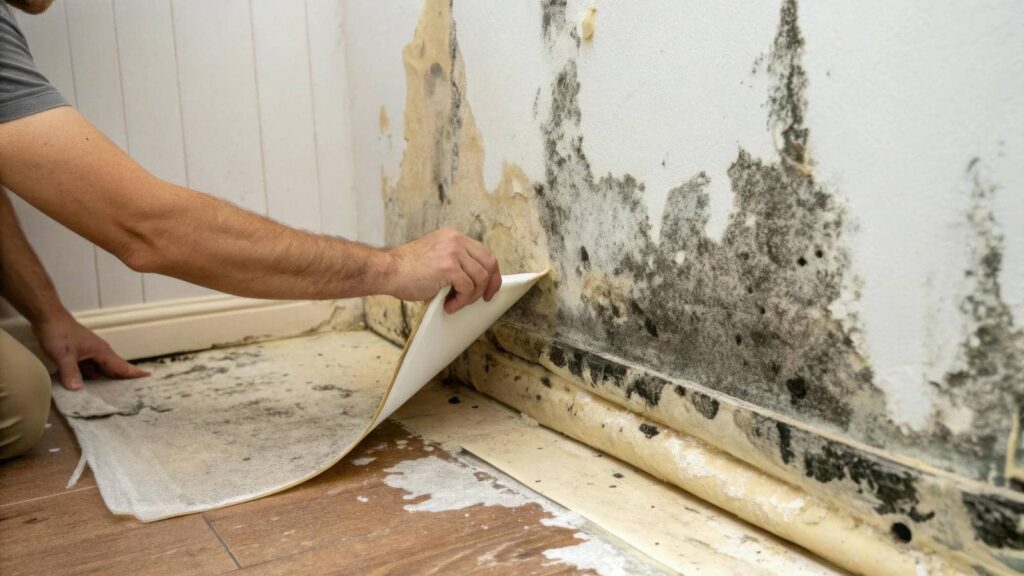
Just as a ship must be properly cared for after a storm to avoid rust and decay, your home requires immediate action after water damage to prevent mold growth. You’ll need to assess the damage, remove standing water, and dry out affected areas effectively. Understanding the necessary steps is crucial to maintaining a safe environment, but many overlook critical details that can make all the difference. What are the essential actions you should take next?
Key Takeaways
- Assess and document water damage thoroughly to identify all affected areas, preventing hidden moisture that promotes mold growth.
- Remove standing water promptly using pumps and wet vacuums to minimize health risks and protect belongings.
- Dry out affected areas completely by using towels, mops, and enhancing ventilation with fans and open windows.
- Utilize dehumidifiers set between 30% and 60% humidity to continuously reduce moisture levels in the environment.
- Clean and disinfect all surfaces with appropriate agents, ensuring materials are completely dry to prevent mold development.
Assess the Extent of Water Damage
When you experience water damage, determining the extent of the damage is essential for effective mold prevention.
Start with a thorough water damage evaluation to identify affected areas. Use damage assessment techniques like moisture meters and infrared thermography to pinpoint hidden moisture.
Check walls, ceilings, and floors for discoloration or warping, as these signs indicate potential damage. Don’t forget to inspect insulation and behind appliances, where water often accumulates unnoticed.
Document your findings to guide the remediation process and ensure nothing is overlooked. By accurately evaluating the situation, you prevent mold growth and foster a safer environment for yourself and your loved ones.
Taking these steps creates a sense of belonging in your home, free from the threat of mold.
Remove Standing Water Promptly
Removing standing water promptly is essential to prevent mold growth and further damage.
You’ll need effective tools like pumps and wet vacuums to expedite the process, ensuring a thorough removal.
Remember to follow safety precautions, such as wearing protective gear and turning off electricity in affected areas, to protect yourself during the cleanup.
Importance of Quick Action
Since mold can begin to develop within 24 to 48 hours after water damage, acting quickly to remove standing water is essential.
Quick action helps in mold prevention and minimizes damage to your property.
Here are some key reasons to act fast:
Reduce health risks: Mold can trigger allergies and respiratory issues.
Save on costs: Prompt removal can prevent extensive repairs and mold remediation.
Protect belongings: The longer water sits, the more likely it is to damage furniture and personal items.
Maintain property value: Quick action preserves your home’s integrity and market value.
Tools for Water Removal
Quickly addressing standing water is crucial for effective mold prevention, and having the right tools on hand can make all the difference.
For efficient water extraction, consider investing in a high-capacity wet/dry vacuum. This tool can quickly remove large volumes of water, helping to mitigate damage.
Additionally, moisture detection devices, like hygrometers, are essential for identifying hidden damp areas that could foster mold growth.
After extraction, use fans and dehumidifiers to circulate air and reduce residual moisture levels.
Safety Precautions to Consider
When standing water remains in your home, it increases the risk of mold growth and poses serious health hazards.
To address these concerns effectively, take the following safety precautions:
Wear protective gear like gloves, masks, and boots to shield yourself from contaminants.
Ensure proper ventilation in the affected area to reduce humidity levels.
Turn off electricity in flooded zones to avoid electrical hazards.
Keep emergency contacts handy, including water damage restoration professionals, in case the situation escalates.
Dry Out Affected Areas Thoroughly
To effectively prevent mold growth after water damage, drying out affected areas thoroughly is essential. Start with a moisture assessment to identify areas with lingering dampness. Use effective drying techniques, like towels or mops, to absorb excess water.
| Impact of Moisture | Action Required |
|---|---|
| Increased mold risk | Perform thorough drying |
| Structural damage | Use drying techniques |
| Health hazards | Conduct a moisture assessment |
After you’ve addressed the visible moisture, ensure ventilation in the affected areas. Open windows and doors, and utilize fans to expedite the drying process. Remember, the longer moisture lingers, the greater the risk of mold growth. Taking these steps fosters a safe environment for you and your loved ones.
Use Dehumidifiers and Fans
To effectively prevent mold growth, you’ll need to set your dehumidifier to ideal levels, typically between 30% and 60% humidity.
Position fans strategically to enhance airflow and expedite the drying process in affected areas.
Together, these tools can greatly reduce moisture and inhibit mold development.
Optimal Dehumidifier Settings
While mold growth can quickly take hold in damp environments, setting your dehumidifier correctly can greatly mitigate this risk.
To effectively manage humidity levels, consider the following ideal settings:
- Choose a dehumidifier with adequate capacity for your space.
- Set the humidity level between 30-60% for best results.
- Regularly check and empty the water reservoir to maintain efficiency.
- Run the dehumidifier continuously during the drying process.
Effective Fan Placement
Effective fan placement is essential for maximizing airflow and enhancing the drying process in spaces affected by water damage.
Start by positioning fans to create a cross-ventilation effect. Aim one fan towards the wet area, ensuring the airflow direction pushes moisture away. Place another fan in a corner, oriented to draw air from the opposite side of the room. This fan orientation helps circulate air effectively, reducing humidity levels.
Additionally, use dehumidifiers in conjunction with fans to extract moisture from the air, accelerating the drying process. Regularly monitor your progress and adjust fan positions as needed to maintain ideal airflow direction.
Clean and Disinfect Surfaces
Cleaning and disinfecting surfaces is essential in preventing mold growth after water damage. You need to act quickly and choose the right cleaning agents based on surface types.
Here are some steps to follow:
Use a mixture of water and detergent for non-porous surfaces like tile and glass.
For porous materials such as drywall or wood, consider specialized mold cleaning agents.
Don’t forget to wear protective gear, including gloves and masks, to avoid exposure to harmful spores.
Allow surfaces to dry completely after cleaning, as moisture encourages mold growth.
Monitor for Signs of Mold Growth
To effectively prevent mold growth after water damage, you must monitor your environment for signs of mold development.
Look for mold indicators such as discoloration on walls, a musty odor, or visible mold spots. Regularly inspect areas prone to moisture, including basements, bathrooms, and around windows.
Utilize a moisture meter to detect dampness in materials; this can help you catch potential problems early. Implementing proper prevention measures, like maintaining ventilation and controlling humidity levels, is essential.
Frequently Asked Questions
How Long Does It Take for Mold to Start Growing After Water Damage?
Mold growth typically begins within 24 to 48 hours after water damage, depending on various factors like humidity, temperature, and material type. Acting quickly can help you mitigate mold growth and protect your space.
Can I Prevent Mold Without Professional Help?
Yes, you can prevent mold without professional help. Implement preventive measures like controlling humidity, using dehumidifiers, and applying DIY solutions such as vinegar or baking soda to affected areas. Stay proactive to maintain a mold-free environment.
What Types of Materials Are Most Susceptible to Mold?
Imagine a sponge soaking up water—wood surfaces and porous materials are just like that. They readily absorb moisture, creating ideal conditions for mold growth. Keep these materials dry to safeguard your environment against unwanted intruders.
Is Mold Removal Covered by Homeowners Insurance?
Mold removal can be covered by homeowners’ insurance, but not always. You should review your policy for mold coverage specifics and consult your agent about filing insurance claims related to mold damage for clarity.
Are There Any Home Remedies to Kill Mold?
Think of mold as an uninvited guest. Home remedies like vinegar, baking soda, and tea tree oil can effectively combat mold. These methods kill mold and aid in mold prevention for a healthier home environment.
Summary
By following these essential steps, you can effectively prevent mold growth after water damage. For instance, imagine a family returning home after a heavy storm only to find their basement flooded. They quickly assess the damage, remove standing water, and set up dehumidifiers and fans. Within days, their proactive measures ensure a safe environment, free from mold. Remember, staying vigilant and maintaining proper humidity levels is key to protecting your home from mold’s harmful effects.
Recent Posts
Top Tools for Efficient Home Flood Recovery
When facing home flood recovery, it’s vital to have the right tools at your disposal.
7 Best Tools for Effective Flood Cleanup
When tackling flood cleanup, knowing what tools to use, understanding their purpose, and mastering their
What Are Effective Techniques for Detecting Pipe Leaks?
Detecting pipe leaks is essential for maintaining infrastructure and preventing costly damage. You can utilize