
Contents
When burst pipes happen, quick action is essential to minimize damage. First, you’ll need to identify the leak’s location, which requires a systematic inspection. Once you’ve pinpointed the issue, turning off the water supply is the next step. Draining the affected pipes will help you assess the damage accurately. But what comes next in the repair process? Understanding the options available can save you time and money.
Key Takeaways
- Conduct a thorough inspection to locate the burst pipe by checking for water pooling, stains, or unusual sounds.
- Shut off the main water supply by turning the valve clockwise and communicate the situation with others in the household.
- Drain affected pipes by opening faucets from the highest point and flushing toilets to minimize water damage.
- Assess the damage by inspecting pipes for cracks or holes, and evaluate whether repair or replacement is necessary.
- Repair the burst section using temporary fixes or replace damaged sections with compatible materials, ensuring secure connections.
Identifying the Location of the Burst Pipe
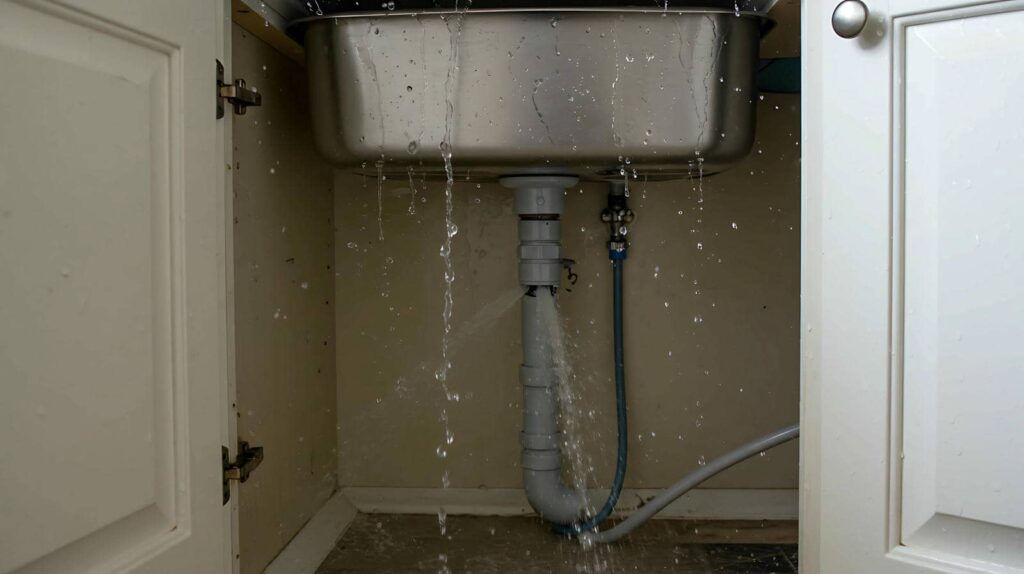
When you’re faced with a burst pipe, it’s crucial to quickly identify its location to minimize damage. Start by conducting a thorough pipe inspection.
Look for signs of water pooling, stains on walls, or damp areas in your home. These can indicate where the leak might be. Use your senses; listen for hissing or gurgling sounds that could signal escaping water.
Next, utilize leak detection tools to pinpoint the exact source. Infrared cameras can reveal temperature differences, helping you find hidden leaks behind walls or under floors.
Moisture meters can also assist in identifying areas with excessive dampness.
If you’re unsure, consider hiring a professional who specializes in leak detection. Their expertise can save you time and prevent further damage.
Shutting Off the Water Supply
Before you can start repairs, it’s essential to shut off the water supply to prevent further flooding and damage.
Locate your main water shut-off valve, typically found near the perimeter of your home, often in the basement or crawl space. Turn the valve clockwise until it stops, ensuring that your home’s water supply is entirely cut off.
If you have a burst pipe in a specific area, you may also find localized shut-off valves for sinks or toilets.
Familiarizing yourself with these emergency procedures can save you time and stress during a crisis.
After shutting off the water supply, check for any additional leaks or pooling water, and make sure to communicate with others in your household about the situation.
Taking these steps not only protects your home but fosters a sense of community preparedness, as you share these essential skills with family and neighbors.
Draining the Affected Pipes
After shutting off the water supply, you’ll need to drain the affected pipes to minimize damage and prepare for repairs. This step is essential for effective pipe maintenance. Use the following drainage techniques to ensure you remove as much water as possible:
| Step | Action | Notes |
|---|---|---|
| 1. Open faucets | Let gravity assist drainage | Start from the highest point |
| 2. Flush toilets | Remove remaining water | Make sure tanks are empty |
| 3. Drain valves | Open at lowest points | Allow all water to escape |
Assessing the Damage
With the affected pipes drained, it’s time to assess the damage to determine the necessary repairs.
Start with a detailed visual inspection of the area surrounding the burst pipes. Look for signs of water damage, such as discoloration on walls or ceilings, which can indicate leaks elsewhere. Check the pipes for cracks or holes.
A damage assessment should include evaluating the pipe material; some materials, like PVC, may simply require patching, while others, like copper, might need replacement sections. Don’t forget to inspect the fittings and joints, as these are often weak points.
If you find extensive damage or multiple leaks, it might be a signal that your plumbing system needs a more thorough evaluation. Document your findings; this will help in planning repairs and potentially in discussions with insurance providers about coverage.
This careful assessment is essential to ensure effective and lasting repairs.
Repairing or Replacing the Burst Section
Repairing or replacing the burst section of a pipe requires careful planning and execution to ensure a long-lasting solution. Start by identifying the extent of the damage. If the burst is small, you might opt for temporary fixes, such as pipe clamps or epoxy sealants, to stop the leak quickly.
However, these aren’t permanent solutions. For a reliable repair, you’ll likely need to cut out the damaged section and replace it with a new piece of pipe.
Ensure you select compatible materials and secure all connections with appropriate fittings. If you’re unsure about the process or lack the necessary tools, it’s wise to contemplate professional services.
Experienced plumbers can provide the expertise needed to handle the repair safely and effectively, giving you peace of mind. Remember, taking the time to do it right will save you from future headaches and further damage.
Restoring Water Supply and Checking for Leaks
Once you’ve replaced the damaged section of the pipe, restoring the water supply is your next essential step.
Begin by turning the main water valve back on slowly. This helps to prevent any sudden pressure surges that could cause further damage.
After you’ve restored the flow, check for leaks by inspecting the repaired area thoroughly. Look for any signs of moisture or dripping.
It’s important to monitor the water quality as well. Run the tap for a few minutes to verify that any air or debris has cleared. If you notice discoloration or an unusual taste, consider flushing your system or consulting a professional.
Lastly, don’t overlook pipe insulation. Proper insulation can prevent future bursts and maintain a consistent water temperature, ensuring your system operates efficiently.
Cleaning Up and Preventing Future Issues
After addressing the immediate damage from burst pipes, it’s essential to clean up any residual water and moisture to prevent mold and structural damage.
You should also implement long-term prevention strategies, such as regular inspections and insulation of vulnerable pipes.
Taking these steps safeguards your property and minimizes the risk of future plumbing disasters.
Immediate Cleanup Steps
When a burst pipe floods your space, swift action is essential to minimize damage and prevent mold growth. Start by gathering your emergency supplies and cleanup tools. Shut off the water source immediately to stop further flooding. Use towels or a wet vacuum to absorb excess water.
Here’s a quick checklist to guide your cleanup:
| Action | Description |
|---|---|
| Shut off water | Turn off the main water supply |
| Remove furniture | Move items to prevent damage |
| Dry the area | Use fans or dehumidifiers |
| Inspect for mold | Check hidden areas for growth |
Long-term Prevention Tips
To prevent future pipe bursts and the damage they cause, you need to implement a proactive maintenance strategy.
Start by installing pipe insulation in vulnerable areas like attics and basements. This helps maintain consistent temperature regulation, reducing the risk of freezing.
Regularly inspect your plumbing for leaks and corrosion, addressing any issues immediately. Additionally, keep your home’s temperature above 55°F during colder months, even when you’re away.
Draining outdoor hoses and shutting off exterior faucets can further minimize risks.
Ultimately, consider a smart thermostat to monitor temperature changes, ensuring your home remains safe.
Conclusion
So, you’ve managed to tackle a burst pipe—congratulations! You’ve shut off the water and repaired the damage and discovered your home’s plumbing is just as unpredictable as your in-laws’ visits. While it might seem like a hassle, keeping an eye on your pipes and knowing how to handle emergencies can save you from bigger headaches down the line. Remember, prevention’s always easier than dealing with another burst pipe. Stay vigilant!
Recent Posts
Top Tools for Efficient Home Flood Recovery
When facing home flood recovery, it’s vital to have the right tools at your disposal.
7 Best Tools for Effective Flood Cleanup
When tackling flood cleanup, knowing what tools to use, understanding their purpose, and mastering their
What Are Effective Techniques for Detecting Pipe Leaks?
Detecting pipe leaks is essential for maintaining infrastructure and preventing costly damage. You can utilize