
Contents
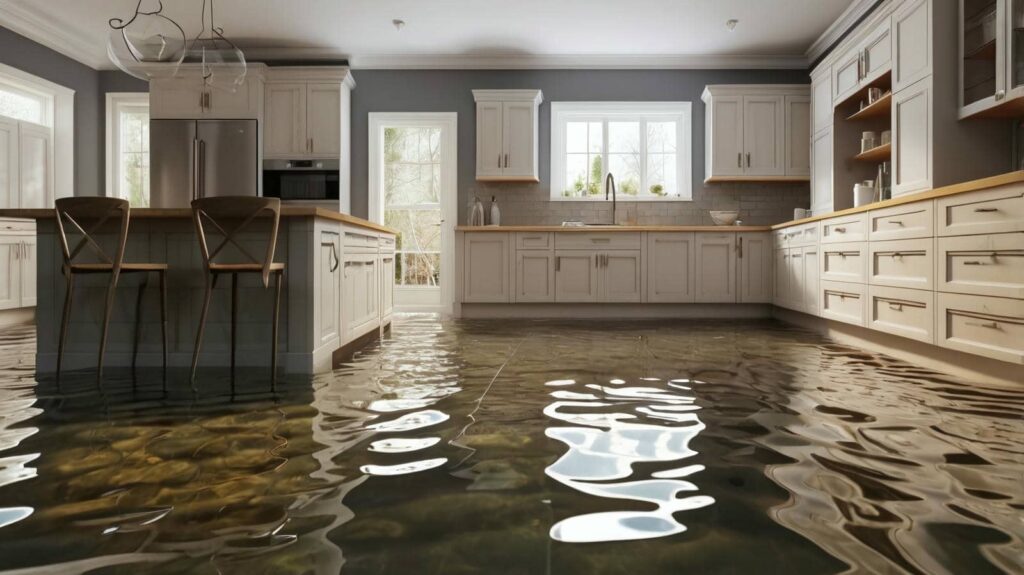
When water finds its way into your home, it can feel like an unwelcome guest that overstays its welcome. You might be overwhelmed, but knowing how to tackle the home cleanup process can make a significant difference. From evaluating the damage to drying out your space, each step is essential for a successful recovery. Let’s explore what you need to do to restore your home and guarantee its safety for the future.
Key Takeaways
- Assess the damage thoroughly by documenting affected areas and taking photographs for insurance claims.
- Prioritize safety by wearing protective gear and turning off power before starting any cleanup.
- Use appropriate water removal techniques, such as pumps and wet/dry vacuums, to extract standing water.
- Dry and dehumidify the area effectively with dehumidifiers and fans, regularly checking humidity levels.
- Restore and repair affected areas by assessing structural integrity and replacing damaged materials as needed.
Assessing the Damage
When you first step into your flooded home, it’s vital to take a moment and assess the damage before diving into cleanup.
Begin by documenting the affected areas, noting the extent of water intrusion and any visible structural issues. This damage evaluation is important not just for your understanding but also for future insurance claims.
Take photographs and make detailed notes; these will serve as significant evidence when you file your claim. Don’t rush the process—each detail matters, and it can help guarantee you receive the support you need.
Safety Precautions Before Cleanup
After evaluating the damage, it’s important to prioritize your safety before starting any cleanup efforts. Begin by wearing personal protective equipment, such as gloves and masks, to shield yourself from contaminants. Verify electrical safety by checking for damaged wires and turning off the power if necessary. Here’s a quick reference table to guide you:
| Safety Step | Description | Importance |
|---|---|---|
| Wear Protective Gear | Use gloves, masks, and boots | Prevents injuries & illness |
| Turn Off Power | Check for electrical hazards | Avoids electrocution |
| Ventilate the Area | Open windows and doors | Reduces airborne contaminants |
| Assess Structural Safety | Inspect walls and ceilings | Guarantees safe cleanup |
Water Removal Techniques
Start the water removal process as soon as it’s safe to do so, since standing water can lead to further damage and mold growth.
Begin by evaluating your pump options; submersible pumps are great for large amounts of water, while utility pumps work well for smaller areas. If you don’t have a pump, consider renting one or reaching out to a local service.
Once you’ve got a pump, focus on extraction methods. Use a wet/dry vacuum for removing residual water, especially in carpets and hard-to-reach spots.
Don’t forget to wear protective gear during this process.
Drying and Dehumidification
As soon as you’ve removed the standing water, it’s crucial to begin the drying and dehumidification process to prevent further damage and mold growth.
Start by selecting an appropriate dehumidifier based on the size of the affected area; a higher capacity unit may be necessary for larger spaces.
Next, employ effective drying techniques, such as using fans and opening windows to enhance airflow.
Verify that you target all moist areas, including carpets and walls, as hidden moisture can lead to mold.
Regularly check humidity levels with a hygrometer and adjust your dehumidifier accordingly.
Restoring and Repairing Affected Areas
Once you’ve dried out your home, it’s time to focus on restoring and repairing the affected areas. Start by evaluating the damage to guarantee your home’s structural integrity remains intact. Check for warped floors, damaged walls, or compromised beams; address these issues first.
If you discover mold, prioritize mold remediation to prevent health risks. You can do this yourself with proper safety gear and cleaning solutions, or hire professionals if the infestation is severe.
Next, replace any damaged drywall, flooring, and insulation. Finally, repaint and refurnish, making your space feel welcoming and whole again.
Frequently Asked Questions
How Can I Prevent Future Flooding in My Home?
To prevent future flooding in your home, consider installing effective drainage solutions and applying waterproofing techniques. Regularly maintain your gutters and inspect your foundation to keep your living space safe and comfortable for everyone.
What Personal Protective Equipment Should I Wear During Cleanup?
During cleanup, prioritize safety precautions by wearing protective gear. Use waterproof gloves, masks, goggles, and sturdy boots. These items help shield you from contaminants, ensuring you feel secure and supported while tackling the challenging task ahead.
Are There Any Specific Chemicals to Avoid While Cleaning?
Have you considered the potential dangers of certain cleaning agents? It’s essential to avoid harsh chemicals like bleach and ammonia, as they can create harmful fumes. Prioritize chemical safety for your health and well-being during cleanup.
How Do I Safely Dispose of Contaminated Materials?
To safely dispose of contaminated materials, separate them into sealed bags. Check local regulations for hazardous waste disposal sites, and always follow guidelines. This guarantees both your safety and community wellbeing, fostering a sense of belonging in recovery.
When Should I Contact a Professional Restoration Service?
When flood damage strikes, it’s like a storm cloud hanging over your home. Contact a professional restoration service if the damage feels overwhelming or if you’re unsure about the restoration timeline. You’re not alone in this.
Wrap-Up
In the aftermath of flooding, it’s essential to tackle the cleanup process methodically. By evaluating the damage, prioritizing safety, and employing effective water removal and drying techniques, you can get your home back in shape. Remember, restoring your space is no walk in the park, but with patience and the right approach, you’ll rise from this challenge. Take it one step at a time, and soon enough, your home will feel like home again.
Recent Posts
Top Tools for Efficient Home Flood Recovery
When facing home flood recovery, it’s vital to have the right tools at your disposal.
7 Best Tools for Effective Flood Cleanup
When tackling flood cleanup, knowing what tools to use, understanding their purpose, and mastering their
What Are Effective Techniques for Detecting Pipe Leaks?
Detecting pipe leaks is essential for maintaining infrastructure and preventing costly damage. You can utilize