
Contents
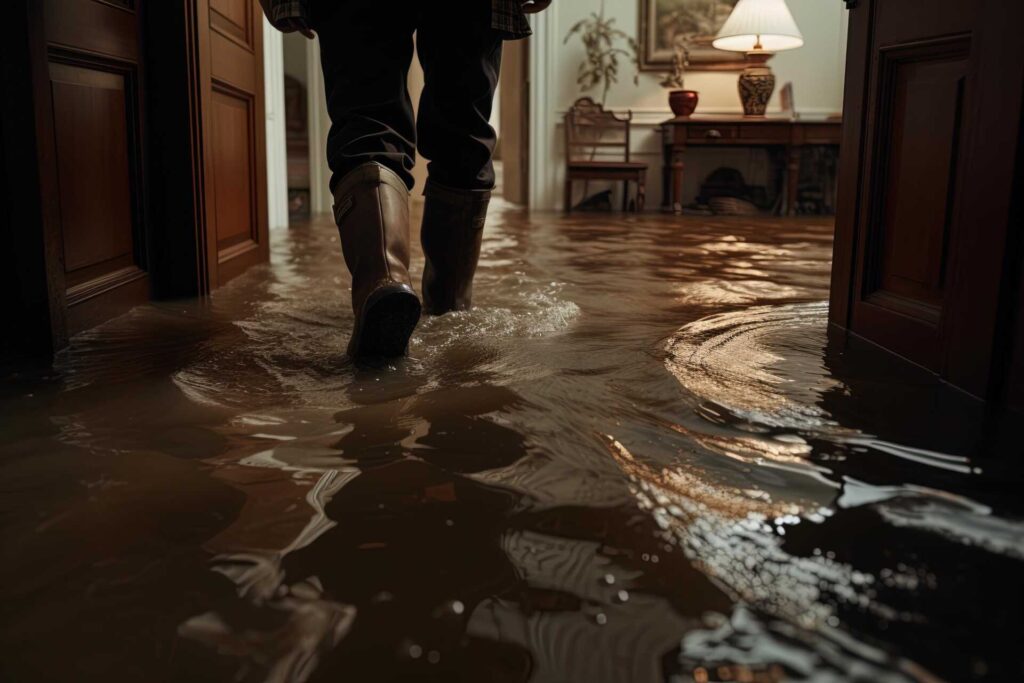
When disaster strikes, knowing how to respond can make a significant difference. By understanding the causes and taking the right precautions, you can effectively manage the situation. This guide will walk you through the essential steps for emergency water extraction, ensuring you’re prepared whenever an unexpected flood occurs. Let’s get started.
Key Takeaways
- Assess the extent of water damage and identify the source of water intrusion before starting extraction.
- Ensure personal safety by wearing protective gear and turning off electricity in affected areas.
- Use a sump pump for large amounts of water and a wet vac for smaller areas.
- Document damage for insurance claims and move valuable items to a dry location.
- After extraction, utilize fans and dehumidifiers to thoroughly dry out the basement space.
Understanding the Causes of Basement Flooding
When it rains heavily or snow melts rapidly, your basement can quickly become a catchment for excess water, leading to flooding. Understanding the causes of this issue is essential, especially during the rainy season.
One major factor is inadequate drainage around your home. If the soil around your foundation can’t absorb the water fast enough, it’ll find its way into your basement. Additionally, plumbing issues, like leaky pipes or faulty sump pumps, can exacerbate the problem.
You might also notice that old windows or cracks in your foundation allow water to seep in, creating a perfect storm for flooding.
Being proactive is key—regular maintenance can help. Check your gutters and downspouts, ensuring they direct water away from your home.
Safety Precautions Before Water Extraction
Before you start extracting water from your basement, it’s crucial to prioritize your safety. Begin by wearing appropriate safety gear—gloves, boots, and masks—to protect yourself from contaminants. Remember, standing water can hide dangerous electrical hazards. Verify that you turn off the power to the affected area before stepping in.
To help you stay safe and organized, here’s a quick reference table:
| Safety Precautions | Why It Matters |
|---|---|
| Wear safety gear | Protects against contaminants |
| Turn off electricity | Prevents electric shock |
| Assess structural damage | Avoids injury from falling debris |
| Use proper lifting techniques | Prevents back injuries |
Taking these precautions ensures you’re ready to tackle the situation safely. Don’t rush—your well-being is the priority.
Essential Tools and Equipment for Water Removal
Having the right tools and equipment for water removal can make all the difference in efficiently addressing a flooded basement.
First on your list should be a sump pump. This device quickly removes standing water and can prevent further damage to your home. Make certain it’s powerful enough for your needs, and familiarize yourself with its operation before an emergency strikes.
Next, a wet vac is essential for tackling smaller puddles and damp spots that a sump pump might miss. It’s portable and versatile, perfect for tight spaces.
You might also want to grab some heavy-duty extension cords to ensure your equipment safely reaches the affected areas.
Additionally, stock up on towels, buckets, and a flashlight to illuminate dark corners.
With these tools at your disposal, you’ll feel more prepared and confident when facing a water crisis in your basement. Remember, being ready is key!
Step-by-Step Process for Emergency Water Extraction
When dealing with emergency water extraction, the first step is evaluating the extent of the water damage in your basement.
You’ll want to identify how much water is present and any potential hazards before moving on to using extraction equipment.
This careful approach ensures that you tackle the situation effectively and safely.
Assessing Water Damage
As you begin evaluating water damage in your basement, it’s crucial to act quickly to minimize further issues.
Start your water damage assessment by checking for visible signs like discoloration, bubbling paint, or warped flooring. Use moisture detection tools, such as a moisture meter, to identify hidden damp areas that may not be immediately obvious.
Pay close attention to corners, around windows, and near pipes, as these spots are prone to leaks. Document your findings with photos and notes, as this will help you communicate with professionals later on.
Using Extraction Equipment
After evaluating the water damage in your basement, it’s time to tackle the extraction process.
Start by gathering your extraction equipment, like a submersible pump or wet/dry vacuum. Choose the right extraction methods based on the water depth and type of water—clean, gray, or black.
Once you’re set up, confirm your equipment’s in good shape. Regular equipment maintenance can prevent breakdowns during essential moments.
Plug in your pump and begin removing water, working from the furthest corner back toward the exit.
If you encounter tougher spots, don’t hesitate to switch to a vacuum.
Remember, teamwork can make this process smoother—ask a friend for help.
With determination, you’ll restore your basement and reclaim your space!
Preventing Future Water Damage in Your Basement
To keep your basement dry and free from future water damage, you need to commit to regular maintenance checks.
Installing proper drainage systems and considering waterproofing solutions are key steps in protecting your space.
Regular Maintenance Checks
Regular maintenance checks are essential for preventing future water damage in your basement, especially since even minor issues can escalate quickly.
Start by scheduling regular drainage inspections to ensure water flows away from your foundation. Look for clogs or debris that could cause backups.
Next, prioritize sump pump maintenance; check that it’s functioning properly and test the backup system to avoid surprises during heavy rainfall.
Don’t forget to inspect any visible pipes for leaks, and consider sealing cracks in your walls or floor.
By staying proactive, you’re protecting your basement and investing in your home’s overall health.
Regular check-ups create peace of mind, allowing you to enjoy your space without the worry of unexpected water damage.
Proper Drainage Systems
A well-designed drainage system is vital for preventing water damage in your basement. To achieve this, focus on effective drainage design that directs water away from your home’s foundation.
Start by installing gutters and downspouts that channel rainwater efficiently. Next, consider adding a French drain to capture excess water before it can seep into your basement.
Sump pumps play an important role, too; they remove any water that accumulates in your basement, keeping it dry. Regularly check and maintain these systems to ensure they function properly during heavy storms.
Waterproofing Solutions
While a well-designed drainage system is the first line of defense against basement water issues, waterproofing solutions further safeguard your space from potential damage.
Installing waterproof membranes on your basement walls and floors helps block moisture, preventing leaks and mold growth. These membranes create a barrier that keeps water out, ensuring your basement remains dry and comfortable.
Additionally, consider enhancing your drainage systems with sump pumps and gutters that direct water away from your foundation.
Regular inspections and maintenance of both your drainage and waterproofing solutions are essential. By taking these proactive steps, you can protect your home and create a safe, welcoming space for your family.
Investing in waterproofing prevents damage and fosters a sense of security in your home.
When to Call Professional Water Damage Restoration Services
How can you tell when it’s time to call in the experts for water damage restoration? Knowing when to seek professional help is essential for preventing further damage and ensuring a proper restoration timeline.
Here are four signs that indicate it’s time to call in the pros:
Extensive Water Damage: If your basement has several inches of standing water or visible structural damage, it’s time to get a professional assessment.
Mold Growth: If you notice mold or mildew, don’t wait. Professionals can handle it safely and effectively.
Persistent Odors: Unpleasant smells often indicate hidden moisture issues that require expert intervention.
Uncertain Cleanup: If you’re unsure about the source of the water or how to proceed, calling professionals can save you time and stress.
Don’t hesitate to reach out for help; your home deserves the best care!
Recap
In the battle against basement flooding, you’ve transformed into an unstoppable force! With your superhero gear on and a plan in hand, you’ve wielded sump pumps like a mighty sword, banishing water from your domain. As you survey your dry sanctuary, remember that vigilance is key—always stay one step ahead of future floods. If disaster strikes again, don’t hesitate to summon the pros. You’ve got this, and your basement will thank you for it!
Recent Posts
Top Tools for Efficient Home Flood Recovery
When facing home flood recovery, it’s vital to have the right tools at your disposal.
7 Best Tools for Effective Flood Cleanup
When tackling flood cleanup, knowing what tools to use, understanding their purpose, and mastering their
What Are Effective Techniques for Detecting Pipe Leaks?
Detecting pipe leaks is essential for maintaining infrastructure and preventing costly damage. You can utilize