
Contents
Mold can start to grow within 24-48 hours after flooding. This rapid development can pose serious health risks and structural damage if not addressed promptly. To effectively combat this issue, you need a strategic approach. Understanding the essential steps to prevent mold growth is vital for maintaining a safe and healthy environment. Let’s explore the key strategies that can help you stay ahead of mold after a flood.
Key Takeaways
- Act quickly to remove standing water within 24-48 hours to prevent mold growth.
- Thoroughly dry affected areas using fans and dehumidifiers to enhance evaporation and reduce moisture.
- Maintain humidity levels between 30-60% with dehumidifiers to inhibit mold development.
- Clean and disinfect surfaces with appropriate solutions, focusing on kitchens and bathrooms to eliminate mold spores.
- Regularly inspect for hidden moisture sources and maintain plumbing, roofs, and gutters to prevent future flooding.
Act Quickly to Remove Standing Water
As soon as flooding occurs, it’s essential to act quickly to remove standing water, since delays can greatly increase the risk of mold growth. Standing water can become a breeding ground for mold within just 24 to 48 hours.
To effectively manage flood prevention, assess the affected areas immediately and prioritize water removal. Use pumps, wet vacuums, or buckets to extract as much water as possible. If you’re unable to do it yourself, don’t hesitate to call professionals.
Ensuring proper drainage and maintaining your home’s landscape can also prevent future flooding. Remember, the faster you address standing water, the better your chances are of avoiding mold-related issues.
Your proactive steps protect your home and foster a safe environment for everyone.
Dry Out Affected Areas Thoroughly
To prevent mold growth, you must dry out affected areas thoroughly after a flood.
Use fans and dehumidifiers to accelerate the drying process, and remove any wet materials promptly to minimize moisture retention.
Regularly monitor humidity levels to ensure they stay within a safe range, creating an environment less conducive to mold.
Use Fans and Dehumidifiers
When flooding occurs, promptly using fans and dehumidifiers can greatly mitigate mold growth in affected areas.
Start by strategically placing fans to ensure ideal airflow. Position them to blow air directly across wet surfaces, which helps accelerate evaporation.
It’s essential to adjust your dehumidifier settings to maintain low humidity levels, ideally between 30-60%. This range effectively inhibits mold spores from thriving.
Keep the dehumidifier running continuously until spaces are thoroughly dry.
Remember, the combination of proper fan placement and ideal dehumidifier settings creates an environment that discourages mold growth.
Remove Wet Materials Promptly
Act quickly to remove wet materials from your home after flooding. The longer these materials remain, the greater the risk of mold growth and extensive water damage.
Start with carpets, rugs, and upholstery—these items trap moisture and can become breeding grounds for mold. If possible, take them outside to dry in the sun.
Next, remove any soaked drywall or insulation to prevent further damage and ensure proper mold prevention. Remember to check hidden areas, like behind appliances or under cabinets, where moisture might linger.
Use fans and dehumidifiers to accelerate drying. By promptly addressing wet materials, you’re not just protecting your home; you’re fostering a healthier environment for you and your loved ones.
Monitor Humidity Levels Regularly
After you’ve removed wet materials, monitoring humidity levels in your home becomes vital to prevent mold growth.
Effective humidity control is important in maintaining a healthy living environment. Use a hygrometer to regularly check humidity levels; ideally, they should stay between 30% and 60%.
If you notice levels above this range, it’s time to take action. Employ dehumidifiers and ensure proper ventilation in affected areas to enhance moisture management.
Pay special attention to places like basements and bathrooms, which are prone to higher humidity.
By consistently monitoring and managing humidity, you create a less favorable environment for mold, fostering a sense of security and comfort in your home.
Stay proactive and keep your space mold-free for you and your loved ones.
Use Dehumidifiers to Reduce Humidity
To effectively combat the moisture left behind by flooding, using dehumidifiers can greatly reduce humidity levels in your home.
Placing your dehumidifier strategically is vital for ideal humidity control. Aim to position it in the most affected areas, such as basements or rooms with poor ventilation. Verify there’s adequate airflow around the unit for maximum efficiency.
Regularly check the water reservoir and empty it as needed to maintain continuous operation. By consistently using a dehumidifier, you’ll create an environment that discourages mold growth, fostering a healthier living space for you and your family.
Clean and Disinfect Surfaces Properly
To effectively prevent mold growth after flooding, you need to clean and disinfect surfaces thoroughly.
Start by using appropriate cleaning solutions that target mold spores and bacteria.
Pay special attention to high-risk areas, such as kitchens and bathrooms, where moisture tends to linger.
Use Appropriate Cleaning Solutions
While flooding can create a perfect environment for mold growth, using appropriate cleaning solutions can greatly mitigate this risk.
Start by selecting effective cleaning agents that target mold spores. Look for products that contain mold inhibitors, as they prevent future growth on surfaces.
When cleaning, verify you’re thorough; don’t just wipe surfaces, but scrub them to eliminate any lingering spores. Pay attention to commonly overlooked areas, like under sinks or inside cabinets.
Always follow the manufacturer’s instructions for dilution and application to maximize effectiveness.
After cleaning, allow surfaces to dry completely, as moisture can encourage mold resurgence.
Focus on High-Risk Areas
Even with the right cleaning solutions, it’s essential to focus specifically on high-risk areas to prevent mold growth effectively. High-risk locations include basements, bathrooms, and areas with water-damaged drywall or carpet.
These spaces often contain mold-prone materials that can harbor spores if not properly addressed. Begin by thoroughly cleaning surfaces with a mixture of water and detergent, ensuring you pay special attention to corners and crevices where moisture might linger.
After cleaning, disinfect these areas using a solution that kills mold spores. Don’t forget to dry everything completely, as moisture is mold’s best friend.
Inspect for Hidden Moisture
Since moisture can hide in unexpected places after a flood, it’s crucial to conduct a thorough inspection of your home. Focus on identifying moisture sources, like walls, ceilings, and underfloor areas. Utilize effective inspection techniques to reveal hidden dampness.
| Inspection Technique | Areas to Check |
|---|---|
| Visual Inspection | Walls and ceilings |
| Moisture Meter | Floors and subfloors |
| Infrared Camera | Behind appliances |
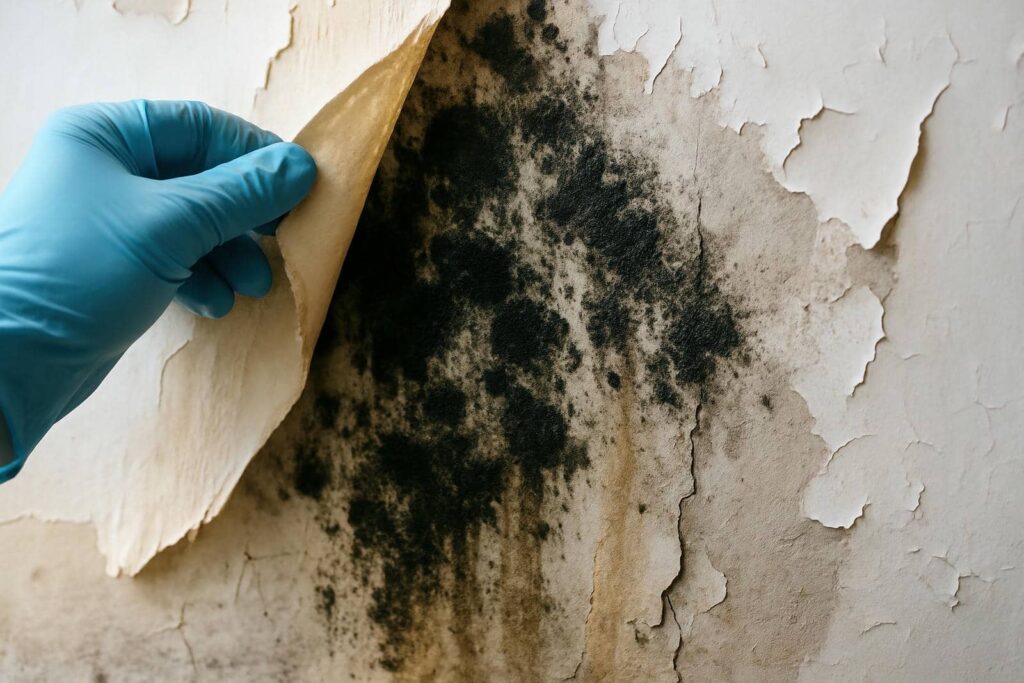
Look for discoloration, peeling paint, or musty odors. Pay attention to areas around windows and plumbing fixtures, as they’re often overlooked. By being diligent in your inspection, you’ll help prevent mold growth and ensure your home remains a safe, welcoming space for you and your loved ones.
Ensure Proper Ventilation
To effectively prevent mold growth after flooding, ensuring proper ventilation throughout your home is essential.
Implementing effective ventilation strategies helps maintain air circulation, reducing humidity levels that encourage mold spores to thrive. Open windows and doors whenever possible to create cross-ventilation. Use exhaust fans in bathrooms and kitchens, as they help expel moist air outside.
Consider using dehumidifiers in damp areas to further control moisture levels. Additionally, ceiling fans can aid in circulating air, making a significant difference in preventing stagnation.
Monitor for Mold Growth Regularly
While ensuring proper ventilation is a fundamental step in preventing mold, it’s equally important to monitor for mold growth regularly.
By doing so, you safeguard your home and your loved ones from potential health risks.
Here are three effective mold identification techniques you can use:
Visual Inspections: Check hidden areas like behind furniture and under sinks for any discoloration or fuzzy growth.
Smell Tests: Trust your nose; a musty odor often indicates hidden mold.
Humidity Levels: Use a hygrometer to keep indoor humidity below 60%—a key preventive maintenance strategy.
Frequently Asked Questions
Can I Use Bleach to Clean Mold Effectively?
You can use bleach for mold cleaning, but its effectiveness varies. It kills surface mold but doesn’t penetrate porous materials. For best results, consider alternative methods that address the root of the problem.
How Long Does It Take for Mold to Grow After Flooding?
Mold growth can begin within 24 to 48 hours after flooding. To prevent flood damage, act quickly by drying affected areas and removing moisture sources. Understanding this mold growth timeline is vital for effective prevention strategies.
What Are the Health Risks of Mold Exposure?
Imagine a cozy gathering where sneezing replaces laughter. Mold exposure can trigger respiratory issues, causing symptoms like coughing, wheezing, and even headaches. You should be aware of these risks to protect your health and well-being.
Should I Hire a Professional for Mold Remediation?
You should consider hiring a professional for mold remediation. Their expertise ensures effective mold prevention, providing thorough assessments and treatments that you might not manage alone, ultimately safeguarding your health and home environment from potential risks.
How Can I Tell if Mold Is Hidden Behind Walls?
To detect hidden mold behind walls, conduct a thorough wall inspection. Look for discoloration, peeling paint, or a musty odor. Use mold detection tools like moisture meters for a more accurate assessment of potential mold presence.
Recap
By acting swiftly to remove standing water and drying out affected areas, you’re not just preventing mold—you’re safeguarding your home and health. It’s striking how something as simple as adjusting humidity levels can make a significant difference. Regular inspections and proper ventilation can save you from costly repairs down the line. Remember, mold thrives in hidden corners, so staying vigilant is key. Your proactive approach today ensures a healthier, mold-free environment tomorrow.
Recent Posts
Top Tools for Efficient Home Flood Recovery
When facing home flood recovery, it’s vital to have the right tools at your disposal.
7 Best Tools for Effective Flood Cleanup
When tackling flood cleanup, knowing what tools to use, understanding their purpose, and mastering their
What Are Effective Techniques for Detecting Pipe Leaks?
Detecting pipe leaks is essential for maintaining infrastructure and preventing costly damage. You can utilize