
Contents
Just as a skilled surgeon meticulously assesses wounds before operating, you must evaluate the extent of water damage before tackling mold cleanup. Understanding the severity of the situation is vital for effective remediation. Ignoring this step can lead to more significant problems down the line. With the right approach, you can prevent mold’s return and ensure a safe environment. What are the essential steps you need to take to achieve this?
Key Takeaways
- Conduct a thorough damage assessment and document findings with photos for insurance and professional help if needed.
- Ensure proper ventilation and use dehumidifiers to maintain humidity levels between 30-60% to prevent mold growth.
- Wear protective gear during cleanup, and safely remove contaminated materials according to local regulations.
- Clean and disinfect all surfaces with appropriate agents, following manufacturer instructions for effectiveness.
- Monitor previously affected areas regularly for mold signs and seek professional assistance for extensive infestations.
Assess the Water Damage Extent
Before you start any cleanup process, it’s essential to assess the extent of the water damage.
Begin with a thorough damage assessment to identify affected areas, noting any visible signs of moisture or structural compromise. Inspect walls, floors, and ceilings, as well as hidden spaces like behind appliances or under carpets.
Conduct a moisture evaluation using a moisture meter, which will help you gauge the severity of the damage and determine if professional intervention is necessary.
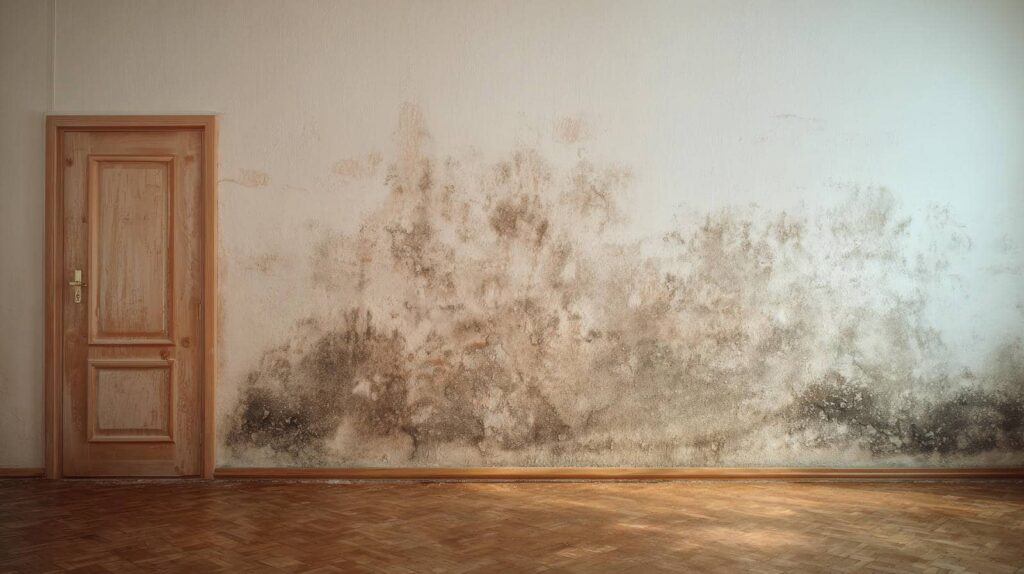
Pay attention to areas that show discoloration or a musty smell, as these could indicate mold growth.
Ensure Proper Ventilation
To effectively combat mold growth after water damage, it is essential to ensure proper ventilation in the affected area.
Open windows and doors to allow fresh air to circulate, and strategically use fans to enhance airflow.
Additionally, employing dehumidifiers will help control moisture levels, further reducing the risk of mold development.
Open Windows and Doors
Opening windows and doors is essential for ensuring proper ventilation during mold cleanup after water damage. By allowing fresh air to circulate, you markedly enhance indoor air quality, which is critical for mold prevention.
Stagnant air can trap moisture and create an environment where mold thrives. When you open windows and doors, you help reduce humidity levels and expedite the drying process of affected areas. This step is indispensable, especially in enclosed spaces where air movement is limited.
Additionally, maintaining a well-ventilated environment aids in mold remediation and fosters a healthier atmosphere for everyone in your home.
Use Fans Effectively
Using fans effectively can greatly enhance ventilation during the mold cleanup process after water damage.
Proper fan placement is essential; position fans near windows or doors to maximize airflow direction toward the outside. This setup helps expel humid air and brings in fresh air, reducing moisture levels that mold thrives in.
It’s vital to create a cross-ventilation effect by placing multiple fans in strategic locations, ensuring that the airflow circulates throughout the affected area.
Don’t forget to adjust the fans as necessary to maintain ideal airflow direction, directing moisture-laden air out while drawing in drier air.
Dehumidifiers for Moisture Control
While dehumidifiers are essential for controlling moisture during mold cleanup, ensuring proper ventilation is equally important.
By combining these strategies, you enhance the effectiveness of your cleanup efforts.
Here are three key considerations:
Dehumidifier Types: Choose between refrigerant and desiccant dehumidifiers based on your specific needs and space conditions.
Moisture Sensors: Utilize moisture sensors to monitor humidity levels, allowing for real-time adjustments to your dehumidification strategy.
Ventilation Strategies: Open windows and doors when possible, and use exhaust fans to promote airflow, reducing stagnant moisture.
Wear Protective Gear
When tackling mold cleanup after water damage, wearing protective gear is vital to safeguard your health. Mold spores can cause respiratory issues and allergic reactions, so you need to take precautions.
Start with protective clothing, like long sleeves and pants, to shield your skin from irritants. Use gloves made from rubber or nitrile to prevent direct contact with mold.
Safety equipment, such as goggles and a mask, is essential; a mask with a HEPA filter can protect against inhaling harmful spores.
Remember, proper ventilation is also key, so make certain you’re working in an area with good airflow.
Remove Affected Materials
To effectively address mold issues after water damage, you need to identify and remove contaminated materials promptly.
This involves safely disposing of items that can’t be salvaged and considering replacement options for the affected areas.
Taking these steps minimizes health risks and helps restore your space efficiently.
Identify Contaminated Materials
As you assess the extent of water damage, it’s crucial to identify contaminated materials that may harbor mold or other harmful pathogens.
Effective mold identification techniques will help you pinpoint the materials that need to be removed. Pay close attention to the following contaminated material types:
Drywall and plaster: These materials absorb water and can become breeding grounds for mold.
Carpeting and padding: If soaked, they can be difficult to dry completely, promoting mold growth.
Insulation: Wet insulation loses its effectiveness and can trap moisture, facilitating mold development.
Dispose Properly and Safely
Once you’ve identified the affected materials, it’s vital to dispose of them properly and safely to prevent further mold growth and health risks. Hazardous materials, like mold-infested drywall or carpeting, require special attention during disposal. Follow local regulations for safe disposal and ensure you’re protecting yourself and others in your community.
| Material Type | Safe Disposal Method | Notes |
|---|---|---|
| Drywall | Bag and seal, discard in landfill | Check local guidelines |
| Carpeting | Roll, wrap, and label | May need professional help |
| Upholstery | Dispose as hazardous waste | Contact the local waste facility |
| Insulation | Seal in plastic bags | Verify insulation type |
| Wood | Contact the local waste facility | Confirm no residual mold |
Replacement Options Available
When you’ve removed the affected materials, it’s essential to contemplate appropriate replacement options that ensure a mold-free environment.
Choosing the right mold-resistant materials can make a significant difference in preventing future issues. Here are some effective replacement strategies to ponder:
Water-resistant drywall: Opt for green board or cement board instead of standard drywall.
Mold-resistant paint: Use paints specifically designed to resist mold growth for added protection.
Synthetic flooring: Consider vinyl or tile flooring, which are less susceptible to moisture absorption.
Clean and Disinfect Surfaces
To effectively combat mold growth after water damage, you’ll need to clean and disinfect all affected surfaces thoroughly.
Start by identifying the surface types—wood, drywall, tile, or fabric—since each requires different cleaning agents. For non-porous surfaces like tile and glass, a mixture of water and bleach can be effective.
On porous surfaces like drywall, consider using specialized mold cleaning agents designed to penetrate and eliminate spores. Always follow the manufacturer’s instructions for these products.
After cleaning, ensure you rinse surfaces well to remove any residue. This careful approach removes mold and helps prevent future growth, fostering a safer environment for you and your loved ones.
Prioritize your space; it matters to your well-being.
Use Dehumidifiers
To effectively combat mold after water damage, using dehumidifiers is essential.
They help reduce humidity levels, accelerating the drying process and creating an environment less conducive to mold growth.
Reduce Humidity Levels
Since high humidity creates an ideal environment for mold growth, using dehumidifiers is vital in your mold cleanup efforts after water damage.
Effective humidity control is fundamental for moisture management, as it helps prevent mold spores from thriving.
Consider these tips for peak dehumidifier use:
Select the right size: Choose a dehumidifier suitable for your space to maximize efficiency.
Maintain consistent operation: Run the dehumidifier continuously until humidity levels drop to 30-60%.
Empty the tank regularly: Confirm the dehumidifier operates effectively by frequently removing accumulated water.
Accelerate Drying Process
While water damage can create a breeding ground for mold, using dehumidifiers effectively can greatly accelerate the drying process.
By employing these devices, you can considerably reduce humidity levels in the affected area, a vital step in mold prevention strategies. Dehumidifiers extract moisture from the air, which is essential for effective drying techniques.
Position them strategically near water-damaged areas to maximize their impact. Additionally, make certain that windows and doors remain closed during this process to prevent outside humidity from interfering.
Regularly check the dehumidifier’s water collection and empty it as needed. By taking these steps, you speed up drying and foster a healthier environment, protecting both your space and your well-being.
Prevent Mold Growth
Using dehumidifiers can greatly help prevent mold growth in water-damaged areas, as they effectively lower humidity levels that mold thrives on.
Implementing moisture control techniques is essential in your mold prevention strategies, especially during the drying process.
- Place dehumidifiers in affected areas to absorb excess moisture.
- Regularly monitor humidity levels, aiming for 30-60% to deter mold growth.
- Empty the dehumidifier’s reservoir frequently to maintain efficiency.
Apply Mold Inhibitors
To effectively combat mold growth after water damage, applying mold inhibitors is vital. These products are designed to make surfaces mold-resistant, providing a key line of defense.
When choosing mold inhibitors, look for those formulated with effective chemical applications that target mold spores and prevent future growth.
Before applying, verify the affected area is thoroughly dried and cleaned to maximize the inhibitor’s effectiveness.
Follow the manufacturer’s instructions closely, as proper application techniques can greatly influence the outcome.
Monitor for Recurrence
After you’ve applied mold inhibitors, it’s important to monitor the area for any signs of recurrence.
Effective mold monitoring is vital for recurrence prevention, ensuring your environment remains healthy. Regular checks can help catch potential problems early, preventing a larger issue down the line.
To stay vigilant, consider these key actions:
Inspect areas regularly: Check for visible mold growth or dampness, especially in previously affected spots.
Maintain humidity levels: Use dehumidifiers to keep humidity below 60%, reducing mold’s chance to thrive.
Respond quickly: If you notice any signs of mold, address them immediately to prevent further spread.
Consult Professionals if Needed
While you may feel confident tackling minor mold issues on your own, there are times when consulting professionals becomes vital. If you notice extensive mold growth or persistent odors, it’s wise to seek help.
Professional remediation services can effectively address severe infestations, ensuring your home is safe and healthy. They possess the expertise and tools necessary for thorough mold inspection services, identifying hidden mold that mightn’t be visible to you.
Additionally, professionals can guide you on preventing future outbreaks and tailoring solutions to your specific situation. Don’t hesitate to reach out if you’re overwhelmed or uncertain; engaging experts can save you time, effort, and potential health risks.
Document the Cleanup Process
Once you’ve addressed immediate mold concerns, documenting the cleanup process becomes important.
This documentation provides a record of your efforts and can be vital for insurance claims or future reference.
Here’s how you can effectively document your cleanup:
Take Photographic Evidence: Capture images of the affected areas before, during, and after cleanup to visually illustrate the extent of the damage and your remediation efforts.
Create a Cleanup Timeline: Note the dates and times of each phase of your cleanup. This helps you track progress and identify any delays.
Keep Records of Materials Used: Document any cleaning supplies and materials purchased, as this information can be indispensable for insurance purposes.
Frequently Asked Questions
How Long Does It Take for Mold to Grow After Water Damage?
Mold growth timeline varies, but it can start within 24 to 48 hours after water damage. Factors like humidity, temperature, and surface materials greatly influence how quickly mold develops in affected areas.
Is Bleach Effective for Mold Removal?
Bleach’s effectiveness for mold removal is often overstated; it kills surface mold but doesn’t penetrate porous materials. For thorough mold cleanup, consider alternatives like vinegar or specialized solutions that better address underlying infestations.
Can I Stay in My Home During Cleanup?
Imagine a ship sailing through turbulent waters. Staying in your home during cleanup isn’t always safe. Prioritize mold safety by conducting thorough home inspections. If you sense danger, it’s wiser to seek temporary refuge elsewhere.
How Can I Prevent Mold in the Future?
To prevent mold in the future, use mold-resistant materials during renovations and maintain humidity control in your home. Regularly check for leaks and ensure proper ventilation to create a healthier living environment for you.
What Are the Health Risks of Mold Exposure?
“An ounce of prevention’s worth a pound of cure.” Mold exposure can trigger various symptoms, like respiratory issues, due to your immune response. Staying informed about mold risks helps ensure your health and well-being remain safeguarded.
Wrap-Up
In the grand scheme of home maintenance, tackling mold cleanup after water damage is a crucial step toward preserving your living space’s integrity. By following these tips, you’ll address the immediate concerns and foster a healthier environment for you and your loved ones. Remember, staying vigilant and proactive can help you sidestep potential mold issues down the line. If the situation feels overwhelming, don’t hesitate to call in the experts for peace of mind.
Recent Posts
Top Tools for Efficient Home Flood Recovery
When facing home flood recovery, it’s vital to have the right tools at your disposal.
7 Best Tools for Effective Flood Cleanup
When tackling flood cleanup, knowing what tools to use, understanding their purpose, and mastering their
What Are Effective Techniques for Detecting Pipe Leaks?
Detecting pipe leaks is essential for maintaining infrastructure and preventing costly damage. You can utilize