
Contents
When dealing with a little post-water damage cleanup, addressing potential mold growth is essential for your health. It’s important to act quickly and methodically to ensure a safe environment. Start by evaluating the extent of any mold issues you might encounter. By following some practical steps, you can effectively manage and prevent mold from taking hold in your space. Let’s explore the critical measures you should take to tackle this issue effectively.
Key Takeaways
- Conduct thorough visual inspections and smell tests to identify mold presence in affected areas post-water damage.
- Utilize EPA-approved mold removal solutions and natural remedies like vinegar to effectively clean and disinfect surfaces.
- Ensure proper ventilation and maintain humidity levels below 60% to deter mold growth during the cleanup process.
- Wear protective gear, including gloves and masks, to safely handle moldy materials and prevent exposure.
- Dispose of moldy items properly and consider consulting professionals for extensive mold issues or structural damage.
Assessing the Extent of Mold Growth
Before you tackle mold cleanup, it’s essential to assess the extent of mold growth in your space.
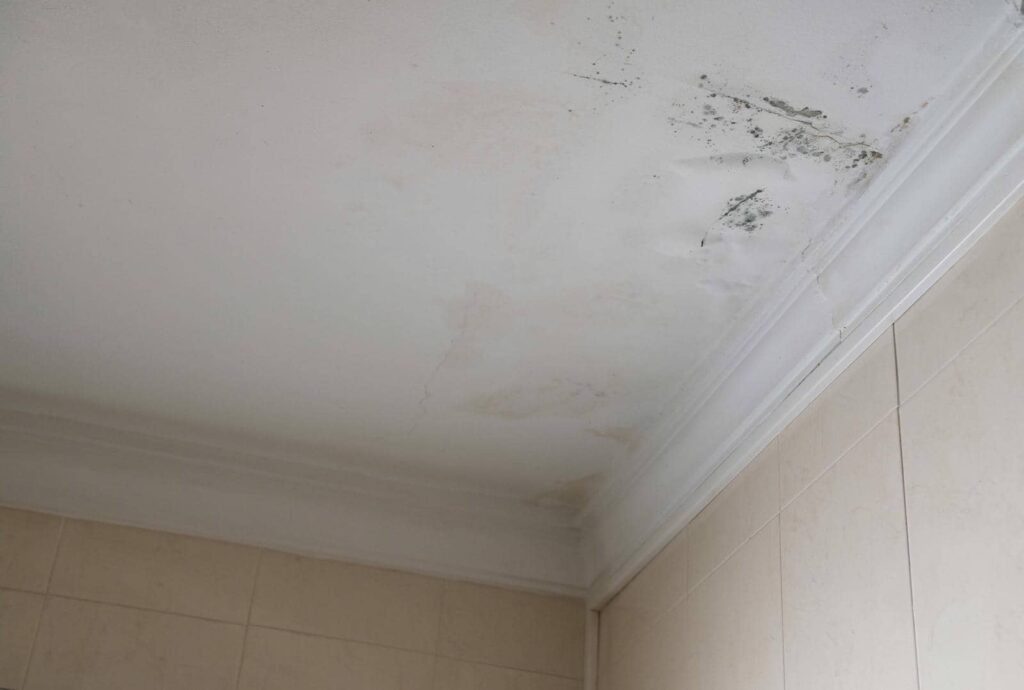
Start by using mold identification methods, such as visual inspections and smell tests. Look for common mold growth indicators like discoloration on walls, peeling paint, or musty odors.
Check damp areas, including bathrooms, basements, and around plumbing fixtures, as these are often breeding grounds for mold. Document your findings to help prioritize your cleanup efforts.
If you notice extensive growth or any signs of structural damage, consider consulting a professional.
Ensuring Safety Precautions
As you prepare to clean up mold, it’s vital to prioritize your safety.
Start by protecting yourself from potential hazards like chemical exposure and airborne spores. Here are three critical safety precautions to follow:
Wear Protective Gear: Use gloves, goggles, and a mask with respiratory protection to shield yourself from harmful particles and chemicals.
Ventilate the area by opening windows and doors to ensure proper airflow, thereby reducing the concentration of mold spores and chemical fumes.
Keep Others Away: Make certain pets and family members stay clear of the work area to minimize their risk of exposure.
Gathering Necessary Cleaning Supplies
Before you start the mold cleanup process, it’s vital to gather the right cleaning supplies.
You’ll need essential tools, protective gear, and effective cleaning solutions to ensure a safe and thorough job.
Having everything ready will streamline your efforts and enhance your safety throughout the cleanup.
Essential Cleaning Tools
When tackling mold cleanup, having the right tools on hand is vital to ensure an effective and safe process. By using appropriate supplies, you can implement mold prevention strategies and adhere to cleaning frequency guidelines.
Here are three must-have items:
Mold Removal Solutions: Opt for EPA-approved cleaners designed specifically for mold. They’ll effectively eliminate spores.
Scrubbing Brushes: Stiff-bristled brushes are essential for scrubbing affected surfaces, helping to remove stubborn mold stains.
Microfiber Cloths: These are perfect for wiping down surfaces and capturing mold particles without spreading them further.
Equipping yourself with these essential cleaning tools enhances your cleanup efforts and fosters a sense of community by ensuring a healthier environment for everyone involved.
Protective Gear Importance
Having the right cleaning tools is only part of the mold cleanup equation; protecting yourself during the process is equally important. Before you start, gather essential protective gear types such as gloves, goggles, and N95 respirators. These items shield you from mold spores and harmful contaminants that can affect your health.
Make certain you wear long sleeves and pants to minimize skin exposure. Proper gear usage is vital; for instance, make sure the respirator fits snugly to provide adequate protection.
Don’t forget to change gloves and masks regularly while working to maintain their effectiveness. By prioritizing your safety with the right protective gear, you’ll feel secure and create a healthier environment for yourself and those around you.
Cleaning Solutions Options
To effectively tackle mold cleanup, you need the right cleaning solutions at your disposal.
Consider incorporating both natural remedies and chemical solutions for a thorough approach. Here are three essential options to gather:
Vinegar: This natural remedy acts as an effective mold killer, thanks to its acidity. Spray it directly on affected surfaces and let it sit.
Baking Soda: Mix with water to create a paste, ideal for scrubbing moldy areas. It’s gentle yet powerful.
Commercial Mold Removers: If you prefer chemical solutions, look for EPA-approved products specifically designed for mold cleanup.
Having these supplies ensures you’re prepared to restore your space effectively, fostering a sense of belonging and safety in your environment.
Removing Affected Materials
As you begin the mold cleanup process, removing affected materials is essential to prevent further contamination and to create a safe environment.
Identify any moldy materials, such as drywall, carpeting, or insulation, that can’t be salvaged. Carefully cut out and dispose of these items according to local disposal procedures.
Use heavy-duty plastic bags to contain the materials, sealing them tightly to avoid spreading spores during removal. When handling moldy substances, wear protective gear like gloves and masks to safeguard your health.
Be sure to check the surrounding areas for hidden mold and address any moisture issues to prevent recurrence. Taking these steps helps assure a thorough and effective mold remediation, fostering a healthier space for you and your loved ones.
Cleaning and Disinfecting Surfaces
Once you’ve removed affected materials, it’s vital to focus on cleaning and disinfecting surfaces to prevent mold from returning.
You’ll need essential cleaning supplies and effective disinfection techniques to ensure thorough treatment.
Don’t forget to prioritize safety precautions to protect yourself while tackling this important step.
Essential Cleaning Supplies
When tackling mold cleanup, having the right cleaning supplies on hand is essential for effectively disinfecting surfaces.
To ensure a thorough job, consider these key items:
Mold-resistant paints: These prevent future growth and provide a fresh, clean appearance.
Quality cleaning products: When doing a cleaning products comparison, choose those specifically formulated for mold removal, as they’re more effective than standard cleaners.
Protective gear: Don’t forget gloves, masks, and goggles to keep yourself safe while working.
Effective Disinfection Techniques
Having the right cleaning supplies sets the stage for effective disinfection techniques that tackle mold both thoroughly and safely. You’ll want to choose appropriate disinfectant types for various surfaces to ensure proper surface sanitization. Here’s a quick reference table to guide you:
| Surface Type | Recommended Disinfectant |
|---|---|
| Wood | Vinegar solution |
| Tile or Stone | Hydrogen peroxide |
| Fabric (cushions) | Rubbing alcohol |
| Plastic | Commercial bleach solution |
| Metal | Isopropyl alcohol |
Use these disinfectants according to the manufacturer’s instructions for the best results. Remember, consistent application and thorough coverage are key to effectively eliminating mold and preventing its return. Your approach will safeguard your home and provide peace of mind.
Safety Precautions Required
While tackling mold cleanup, you must prioritize safety to protect yourself and others in your household.
Mold exposure can pose serious health risks, so it’s crucial to take the right precautions.
Here are three key safety measures to follow:
Wear Protective Gear: Use gloves, goggles, and a mask to shield yourself from spores and irritants during the cleaning process.
Ventilate the Area: Open windows and use fans to ensure proper airflow, reducing the concentration of mold spores in the air.
Contain the Mold: Seal off the affected area with plastic sheeting to prevent mold spores from spreading to other parts of your home.
Utilizing Dehumidifiers and Air Movers
How can dehumidifiers and air movers enhance your mold cleanup efforts? By strategically using these tools, you can notably improve air quality and reduce moisture levels, which are essential for preventing mold growth.
Start with proper dehumidifier placement; position it in the most affected areas to maximize moisture extraction. Monitor humidity levels to ensure they stay below 60%.
Next, use air movers to circulate air effectively, promoting rapid drying. The air mover’s effectiveness increases when you direct the airflow toward damp surfaces, helping to evaporate moisture quickly.
Together, these tools create an environment less conducive to mold, making your cleanup efforts more successful and assuring a healthier living space for you and your loved ones.
Implementing Mold Inhibitors
To effectively combat mold growth, implementing mold inhibitors is a crucial step you shouldn’t overlook.
These prevention strategies can greatly reduce the chances of mold reappearing in your space. Here are three effective methods to take into account:
Use Mold-Resistant Products: Choose mold-resistant paints, drywall, and insulation to create a barrier against moisture.
Apply Mold Inhibitor Solutions: Utilize commercial mold inhibitors on surfaces prone to dampness. These solutions can stop mold spores from settling and multiplying.
Maintain Proper Ventilation: Confirm your home has adequate airflow, especially in high-moisture areas like bathrooms and kitchens, to keep humidity levels in check.
Monitoring for Future Mold Growth
Even with effective mold inhibitors in place, ongoing vigilance is key to making certain mold doesn’t make a comeback. To safeguard your space, commit to long-term monitoring.
Regularly inspect areas prone to moisture, such as basements and bathrooms, for mold growth indicators like musty odors, discoloration, or water stains. Keep an eye on humidity levels, aiming to maintain them below 60% to deter mold spores.
Consider setting reminders to check these areas monthly, creating a routine that fosters a healthy environment for you and your loved ones.
If you notice any signs of mold, address them promptly to prevent escalation. By staying proactive and engaged, you can protect your home and make sure it remains a welcoming space for everyone.
Consulting With a Mold Remediation Professional
When facing a mold issue that’s beyond your control, consulting with a mold remediation professional can be an essential step in ensuring thorough and safe cleanup.
These experts employ advanced mold assessment techniques to identify and address the problem effectively.
Here are three benefits of professional consultation:
Expertise: They possess the knowledge to differentiate between harmful and harmless mold, ensuring you’re informed and protected.
Safety: Professionals use specialized equipment to safely remove mold, minimizing the risk of exposure for you and your family.
Long-term Solutions: They offer guidance on preventing future growth, helping you maintain a healthy environment.
Frequently Asked Questions
How Long Does It Take for Mold to Develop After Water Damage?
Mold growth can start within 24 to 48 hours after water damage, depending on moisture levels. To prevent health risks, act quickly to address the water issue and reduce humidity in affected areas.
Can I Use Bleach to Kill Mold Effectively?
Did you know that some mold species can produce toxins? While bleach can kill surface mold, it’s not always effective against mold toxicity hidden beneath surfaces. Consider using specialized products for thorough mold removal instead.
Are There Natural Alternatives for Mold Cleaning Solutions?
Yes, there are natural alternatives to mold cleaning solutions. You can use a vinegar solution or tea tree oil mixed with water. Both options effectively combat mold without harsh chemicals, ensuring a safer environment for everyone involved.
What Are the Signs of Hidden Mold Growth?
“Out of sight, out of mind” isn’t true for mold. Watch for musty odors, water stains, or health issues. Use mold detection methods and consider environmental factors like humidity to identify hidden mold growth effectively.
How Can I Prevent Mold From Returning After Cleanup?
To prevent mold from returning, implement effective mold prevention strategies like controlling humidity levels below 60%. Use dehumidifiers, ensure proper ventilation, and fix leaks promptly to create a healthy, mold-free environment in your space.
Summary
By following these mold cleanup tips after water damage restoration, you can greatly reduce the risk of future mold growth. Regular inspections and proactive moisture management are key to maintaining a healthy environment. Have you taken the necessary steps to protect your home from mold? Remember, addressing mold promptly safeguards your property and ensures the well-being of everyone who lives there. Stay vigilant, and your efforts will pay off in a healthier, mold-free space.
Recent Posts
Top Tools for Efficient Home Flood Recovery
When facing home flood recovery, it’s vital to have the right tools at your disposal.
7 Best Tools for Effective Flood Cleanup
When tackling flood cleanup, knowing what tools to use, understanding their purpose, and mastering their
What Are Effective Techniques for Detecting Pipe Leaks?
Detecting pipe leaks is essential for maintaining infrastructure and preventing costly damage. You can utilize