
Contents
When faced with water damage, maneuvering the claims process can feel overwhelming. However, understanding the vital steps can make a significant difference in your experience. From evaluating the damage to gathering supporting documents, each step is essential to ensure your claim is processed smoothly. Knowing how to effectively communicate with your insurance company is equally important. What comes next could determine the outcome of your claim and your financial recovery.
Key Takeaways
- Assess the water damage thoroughly by identifying the source and documenting affected areas and belongings for your claim.
- Capture clear photo and video evidence of the damage from multiple angles, time-stamped for context.
- Notify your insurance company immediately, providing detailed information about the incident and the extent of damage.
- Review your insurance policy to understand coverage details, limits, and exclusions relevant to water damage claims.
- Gather necessary supporting documents, including repair estimates and inspection reports, to strengthen your claim.
Assess the Water Damage
When faced with water damage, the first essential step is to thoroughly assess the extent of the damage.
Begin by identifying the water source—whether it’s a leak, flood, or burst pipe. This will help you understand how the water infiltrated your space and the potential risks involved.
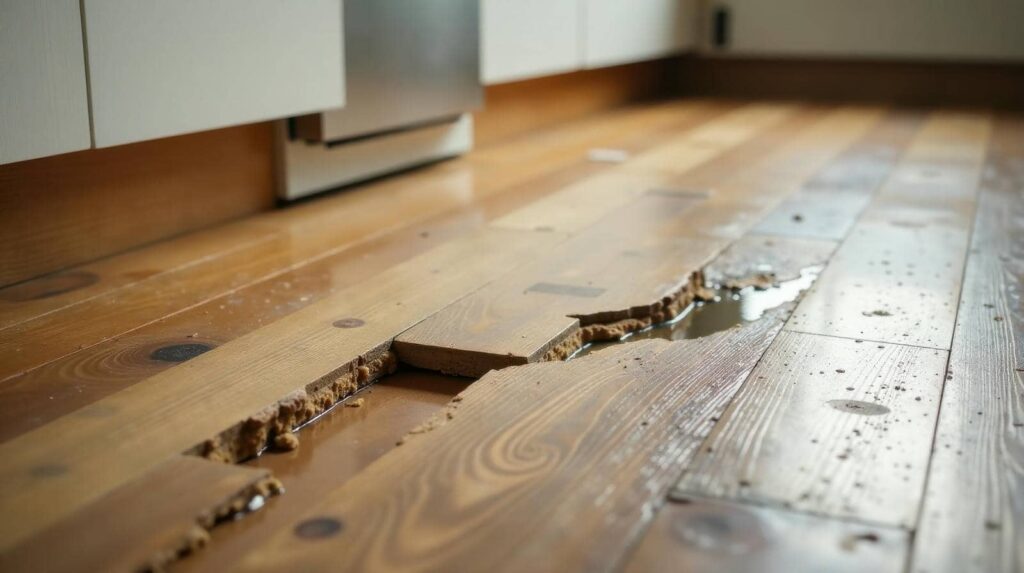
Next, conduct a damage assessment by examining affected areas, noting discoloration, warping, or mold growth. Document the condition of your belongings and surfaces, as this information will be significant for any claims process.
Don’t overlook hidden spaces like walls or ceilings; water can travel and cause unseen damage.
Document the Damage Thoroughly
To ensure a smooth claims process, you must document the damage thoroughly. Start by creating a damage checklist that outlines all affected areas and items. This organized approach helps make certain you don’t overlook anything critical.
Next, take photo evidence of the damage from multiple angles and distances, capturing both close-ups and wider shots. Be sure to timestamp these images, as they’ll provide important context for your insurer. If possible, record video footage to further illustrate the extent of the damage.
Keep your documentation clear and concise, as this will make it easier for claims adjusters to understand your situation. Thorough documentation supports your claim and fosters a sense of community and trust with your insurance company.
Notify Your Insurance Company
After experiencing water damage, it’s essential to contact your insurance company immediately.
When you do, provide detailed information about the incident, including the extent of the damage and any immediate actions taken.
This prompt communication will help streamline the claims process and ensure you receive the assistance you need.
Contact Immediately After Damage
Notifying your insurance company promptly after experiencing water damage is vital, as delays can complicate your claim process and potentially reduce your compensation.
When water damage occurs, the immediate actions you take are essential for effective emergency response. Contacting your insurer right away ensures they can guide you through the necessary steps and begin the assessment process.
You’ll want to provide them with details about the incident, including when it happened and the extent of the damage. This timely communication helps preserve your rights and establishes your commitment to resolving the situation.
Provide Detailed Information
When you notify your insurance company about water damage, providing detailed information is essential for streamlining the claims process.
Start by documenting the extent of the damage, including photographs and videos. Clearly describe how the damage occurred, whether from a burst pipe, flood, or another source.
Include dates and times to establish a timeline. It’s also helpful to list any affected items, their value, and any repairs already initiated.
This specific information supports your insurance claims and helps ensure a fair assessment.
Review Your Insurance Policy
Before filing your claim, you need to thoroughly review your insurance policy to understand the coverage details.
Pay close attention to any exclusions and limitations that may affect your claim. This knowledge is essential for ensuring you meet all requirements and maximize your potential payout.
Policy Coverage Details
Understanding your insurance policy is vital, as it outlines what water damage is covered and the specific terms that apply to your claim.
You’ll want to familiarize yourself with the various coverage types, such as dwelling coverage, personal property coverage, and additional living expenses. Each type plays a distinct role in protecting your home and belongings.
It’s also important to note your policy limits, which dictate the maximum amount your insurer will pay for covered damages. If you exceed these limits, you may face out-of-pocket costs.
Exclusions and Limitations
While your insurance policy may provide coverage for many types of water damage, it’s crucial to closely examine the exclusions and limitations that could affect your claim. Different exclusion types, such as those related to gradual leaks or flooding, can greatly impact your financial protection.
Understanding these exclusions ensures you’re aware of what’s not covered and can help you avoid unpleasant surprises during the claims process. Additionally, take note of your policy’s coverage limits, as they dictate the maximum payout you can receive.
Gather Necessary Supporting Documents
As you prepare to file your water damage claim, gathering necessary supporting documents is vital for a successful process. Proper documentation supports your claim types and strengthens your damage assessment. Here’s a guide to the key documents you should collect:
| Document Type | Purpose | Importance |
|---|---|---|
| Photos of Damage | Visual evidence of loss | Helps substantiate your claim |
| Repair Estimates | Cost analysis for repairs | Validates your financial needs |
| Inspection Reports | Professional assessment | Provides credibility to your claim |
| Previous Policy Documents | Coverage verification | Ensures you understand your entitlements |
Submit Your Claim
After gathering all necessary documentation, you can move forward with submitting your claim.
Begin by reviewing your policy to verify you meet all insurance requirements. Each insurer may have different stipulations, so it’s essential to understand what’s needed for successful claim submission.
Fill out the claims form accurately, providing detailed descriptions of the water damage and attaching any supporting documents, like photos and repair estimates.
Be mindful of deadlines; timely submissions can expedite the process. Once submitted, keep copies of everything for your records.
This thorough approach fulfills the insurance requirements and strengthens your position, ensuring you receive the compensation you deserve for your water damage claim.
Follow Up on Your Claim Status
How do you ensure your water damage claim is progressing? Regular follow-ups are essential to stay informed about your claim status.
Start by contacting your insurance adjuster or claims representative, and inquire about specific details related to your claim progress. Make notes during these conversations to keep track of any commitments they make.
Utilize effective communication tips, like being polite yet assertive, to foster a cooperative relationship. Ask questions that clarify timelines and required documentation, ensuring you understand the next steps.
If you don’t receive timely responses, don’t hesitate to follow up again. This proactive approach demonstrates your commitment to resolving the issue and helps you feel more in control during the claims process.
Frequently Asked Questions
How Long Do I Have to File a Water Damage Claim?
You’ve typically got one to two years to file, but always check your policy for specific claim deadlines. Understanding the filing procedures can help ensure you don’t miss your chance for compensation.
Will My Premiums Increase After Filing a Claim?
Picture your insurance landscape shifting after a claim; your premium increases may loom like dark clouds. Insurers often scrutinize your claim history, and a recent claim can lead to higher rates, impacting your financial forecast.
Can I Choose My Own Contractor for Repairs?
Yes, you can choose your own contractor for repairs, but keep in mind that your insurance might cover only specific repair costs. Always verify the contractor selection process with your insurer to avoid complications later.
What Types of Water Damage Are Covered?
You might wonder what types of water damage your policy covers. Generally, flood damage and sewage backup are often excluded. Familiarize yourself with your policy details to uncover what’s truly protected and avoid surprises later.
How Long Does the Claims Process Typically Take?
The claims timeline can vary, but typically, you’ll see a damage assessment completed within a week. After that, expect a few weeks for processing, depending on your insurer and the complexity of your claim.
Summary
Filing a water damage claim can feel like maneuvering through a maze, but following these steps simplifies the process. By evaluating the damage, documenting everything, and communicating effectively with your insurance company, you can greatly enhance your chances of a successful claim. Don’t underestimate the importance of gathering supporting documents—it’s the difference between a smooth process and a major headache. Stay organized, proactive, and informed, and you’ll be well on your way to receiving the compensation you deserve.
Recent Posts
Top Tools for Efficient Home Flood Recovery
When facing home flood recovery, it’s vital to have the right tools at your disposal.
7 Best Tools for Effective Flood Cleanup
When tackling flood cleanup, knowing what tools to use, understanding their purpose, and mastering their
What Are Effective Techniques for Detecting Pipe Leaks?
Detecting pipe leaks is essential for maintaining infrastructure and preventing costly damage. You can utilize