
Contents
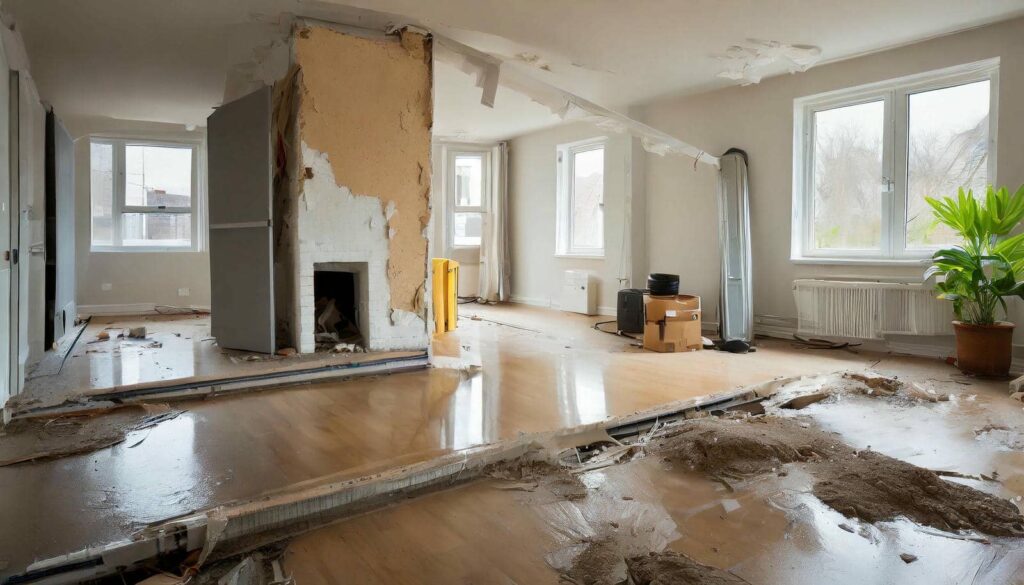
Many people underestimate the risks involved in flood cleanup. It’s vital to prioritize your safety before diving into the recovery process. Wearing the right protective gear, ensuring proper ventilation, and checking for structural integrity can make a significant difference. Ignoring these steps could lead to serious health hazards or further damage. So, what exactly should you know about these essential safety tips? Let’s explore them further.
Key Takeaways
- Wear heavy-duty gloves and a mask to protect against sharp objects and harmful airborne contaminants during cleanup.
- Ensure proper ventilation by opening windows and using fans to reduce humidity and prevent mold growth.
- Inspect walls and ceilings for cracks and sagging to assess structural integrity before re-entering the space.
- Take precautions against potential health hazards, as unseen dangers may remain even after water levels recede.
- Engage with your community for support and collective recovery efforts to rebuild homes and foster resilience.
Wear Protective Gear During Cleanup
When you start the cleanup after a flood, it’s vital to wear protective gear to shield yourself from potential hazards.
Using gloves is important; they protect your hands from sharp objects and contaminated materials. Choose heavy-duty, waterproof gloves for better safety.
Additionally, don’t overlook the significance of a mask. Floodwaters can carry harmful bacteria and mold spores, so wearing a mask guarantees you breathe clean air while you work.
Remember, taking these precautions isn’t just about protecting yourself; it’s about caring for your health and well-being.
You’re not alone in this, and by prioritizing safety, you’re joining a community of others who understand the challenges of recovery.
Together, we can navigate this difficult journey.
Ensure Proper Ventilation in Affected Areas
To guarantee a safe cleanup after a flood, it’s essential to ventilate affected areas properly. Good air circulation helps reduce moisture levels, preventing mold growth and ensuring a healthier environment for you and your loved ones.
You can employ various ventilation methods, like opening windows and doors, using fans, or setting up dehumidifiers. If possible, create cross-ventilation by positioning fans to push air out one window while drawing fresh air in through another.
It’s vital to monitor humidity levels, aiming to keep them below 60%. Remember, you’re not alone in this process; prioritizing ventilation fosters a sense of community and support as you restore your home together.
Take these steps to safeguard your health during the recovery journey.
Check for Structural Integrity Before Re-entering
Before you step back into your home after a flood, it’s essential to check for structural integrity to guarantee your safety. Flood damage can compromise your home’s foundation, walls, and roof, so a thorough structural assessment is important.
Look for cracks in walls, sagging ceilings, or any signs of instability. If you’re unsure, enlist a professional to evaluate the damage.
Remember, your safety and the safety of your loved ones come first. Even if the water’s gone, unseen dangers might linger.
Taking these precautions not only protects you but helps you reclaim your space with confidence. You deserve to feel secure in your home, so prioritize these checks before moving forward.
Frequently Asked Questions
How Long Should I Wait Before Starting Flood Cleanup?
You should wait at least 24-48 hours after flood damage before starting cleanup. This allows water levels to recede and helps guarantee your safety. Remember, a proper cleanup timeline is essential for effective recovery.
What Types of Mold Should I Be Concerned About?
You might think all molds are harmless, but that’s not true. Focus on mold identification, like black mold or Aspergillus. Prioritize mold prevention to protect your health and create a safe environment for everyone.
How Can I Safely Dispose of Contaminated Materials?
To safely dispose of contaminated waste, you’ve got options. Consider local guidelines for hazardous materials, use sealed bags for smaller items, and contact waste management for proper disposal methods to guarantee safety for everyone involved.
Are There Any Specific Health Risks After Flooding?
Yes, you might face flood-related illnesses from contaminated water. These can include infections, gastrointestinal issues, and respiratory problems. It’s essential to stay vigilant, prioritize your health, and seek medical attention if you experience any symptoms.
What Should I Do if I Experience Respiratory Issues?
If you experience respiratory symptoms, don’t hesitate to seek medical assistance. Studies show of flood survivors develop respiratory issues. Prioritize your health contact a healthcare provider to address your concerns and guarantee your recovery.
Recap
So, you think you can just wade through floodwaters in flip-flops and a tank top? Think again! By donning protective gear, ensuring proper ventilation, and checking structural integrity, you’re not just playing it safe you’re being a responsible adult. Remember, mold isn’t a trendy home decor choice, and collapsing walls don’t make for cozy living spaces. Take these tips to heart, and you’ll not only survive the cleanup but thrive in a safer, healthier home.
Recent Posts
Top Tools for Efficient Home Flood Recovery
When facing home flood recovery, it’s vital to have the right tools at your disposal.
7 Best Tools for Effective Flood Cleanup
When tackling flood cleanup, knowing what tools to use, understanding their purpose, and mastering their
What Are Effective Techniques for Detecting Pipe Leaks?
Detecting pipe leaks is essential for maintaining infrastructure and preventing costly damage. You can utilize