
Contents
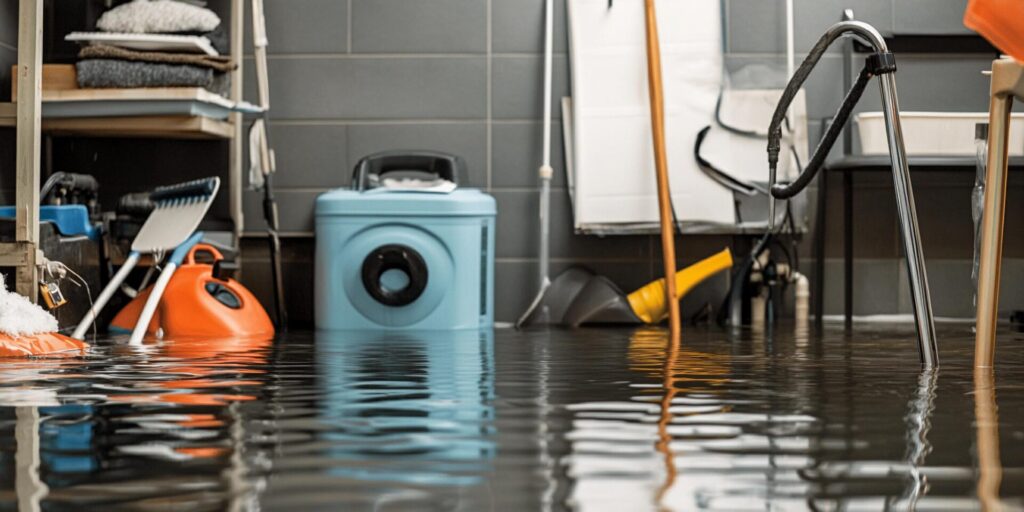
Just as firefighters use hoses to combat flames, effective water removal techniques are used after a flood. You’ll need to assess the damage and prioritize safety before employing various methods to extract water. From powerful pumps to absorbent materials, each technique plays an essential role in minimizing damage. Understanding these options will help you navigate the recovery process efficiently, ensuring a safer environment as you work towards restoration.
Key Takeaways
- Utilize submersible pumps for deep water extraction and portable pumps for smaller areas to efficiently remove standing water.
- Employ wet/dry vacuums for tackling liquid and solid debris in accessible locations, ensuring regular maintenance for optimal performance.
- Implement sump pumps for continuous drainage, selecting appropriate horsepower and discharge height to prevent water accumulation.
- Use dehumidifiers to reduce humidity levels, preventing mold growth and promoting faster drying of affected areas.
- Regularly monitor moisture levels with sensors and hygrometers to identify hidden dampness and ensure complete restoration.
Assessing the Damage and Safety Precautions
Before you begin the water removal process, it’s crucial to assess the damage and prioritize safety precautions.
Start your flood assessment by checking for structural integrity. Look for signs of sagging walls, cracks, or weakened foundations that might pose risks during cleanup. Don’t forget to evaluate electrical systems; turn off power if water’s present to avoid electrocution.
Next, implement safety protocols. Wear appropriate personal protective equipment, like gloves and masks, to shield against contaminants and mold.
Verify you have a first aid kit readily available and a means of communication, should emergencies arise. If you suspect hazardous materials or deep water, consider contacting professionals.
Using Pumps for Efficient Water Extraction
Using pumps is one of the most effective methods for removing water after a flood. Submersible pumps are particularly useful for extracting water quickly from deep areas, as they can operate while fully submerged. These pumps suck up water and discharge it away from your property, minimizing damage.
If you’re dealing with smaller or more accessible areas, portable pumps can be your best bet. They’re easy to transport and set up, allowing you to target specific locations in your home where water has accumulated.
When selecting a pump, consider the volume of water you need to remove and the pump’s capacity. Make sure you have the right hoses and fittings to connect your chosen pump effectively.
Employing Wet/Dry Vacuums for Smaller Areas
For tackling water removal in smaller, confined spaces, wet/dry vacuums are highly effective tools. These vacuums offer several benefits, making them ideal for flood cleanup. They can handle both liquid and solid debris, allowing you to quickly restore your space.
To maximize your wet/dry vacuum’s efficiency, remember these maintenance tips. Regular upkeep extends the life of your vacuum and ensures it performs at its best during critical moments.
Utilizing Dehumidifiers to Remove Moisture
As moisture lingers in the aftermath of a flood, utilizing dehumidifiers becomes essential for restoring a dry environment. These devices effectively extract excess moisture from the air, greatly improving humidity control within your space.
By reducing humidity levels, dehumidifiers help prevent mold growth, protect your belongings, and enhance overall air quality.
One of the key dehumidifier benefits is their ability to run continuously, making them ideal for prolonged drying periods. You’ll want to strategically place them in affected areas, ensuring maximum airflow and efficiency.
Setting the desired humidity level allows you to tailor the dehumidification process to your specific needs, ensuring a quick recovery.
Incorporating dehumidifiers into your water removal strategy expedites the drying process and fosters a healthier living environment.
Applying Absorbent Materials for Spot Cleanup
When tackling water damage, using absorbent materials is essential for effective spot cleanup.
You’ll find various types, like pads and granules, each suited for specific surfaces and situations.
Knowing how to apply these materials properly can greatly enhance your cleanup efforts.
Types of Absorbent Materials
Although floods can cause extensive damage, using the right absorbent materials for spot cleanup can greatly mitigate the effects of water. Common absorbent materials include sponges, towels, and specialized pads designed for rapid water absorption.
Each material has unique properties; for example, a sponge’s porous structure allows it to soak up water effectively, while microfiber towels excel in trapping moisture due to their fine fibers.
Also, consider using clay-based absorbents or sawdust for larger spills, as their granular material properties enhance absorption and control odors.
Spot Cleanup Techniques
Effective spot cleanup techniques are essential for managing water damage after a flood. When tackling localized wet areas, you’ll want to utilize various spot cleaning methods.
Start by identifying the affected zones and applying absorbent materials specifically designed for targeted absorption techniques. For instance, use towels or specialized pads to soak up excess moisture quickly.
You might also consider using a wet vacuum for more significant spills, ensuring you extract the water effectively. Once the bulk of the moisture is removed, allow the area to dry thoroughly to prevent mold growth.
Effective Application Methods
To achieve ideal results in spot cleanup after a flood, it’s crucial to apply absorbent materials correctly.
Begin by selecting high-quality products like towels, mops, or specialized absorbent pads designed for effective water removal. Lay the materials over the affected areas, allowing them to soak up moisture for adequate time. Avoid pressing too hard, as this can push water deeper into surfaces.
After absorption, replace saturated materials promptly to maintain efficiency. For the best restoration techniques, consider layering multiple absorbent materials to enhance moisture capture.
Always follow up with drying methods, like fans or dehumidifiers, to prevent mold growth. By mastering these application methods, you’ll ensure a thorough cleanup and contribute to a successful restoration process.
Implementing Sump Pumps for Continuous Drainage
When a flood strikes, implementing sump pumps can greatly enhance your ability to manage water removal effectively. Selecting the right sump pump is vital; you need to take into account factors like horsepower, capacity, and durability. Regular sump pump maintenance ensures your equipment operates at its best when needed most.
Here’s a quick reference table to help you:
| Sump Pump Selection | Sump Pump Maintenance |
|---|---|
| Identify horsepower needs | Check the float switch regularly |
| Assess the discharge height | Clean the sump pit periodically |
| Choose between submersible or pedestal | Inspect for leaks or corrosion |
Utilizing Fans and Air Movers for Drying
While flooding can cause considerable damage, utilizing fans and air movers is essential for accelerating the drying process in affected areas.
Proper fan placement is vital; position fans to create a cross-ventilation effect, directing airflow toward the wettest spots. This helps maximize evaporation rates and minimizes moisture retention.
Make sure to adjust the airflow direction according to the layout of the space. For instance, in large rooms, set up multiple fans to cover more ground, ensuring that air moves freely without obstruction.
Placing air movers at strategic angles can enhance circulation, pushing humid air out while pulling in drier air.
Keep in mind to maintain a balance between airflow and humidity levels, as excessive moisture can hinder the drying process.
Cleaning and Disinfecting Affected Surfaces
After ensuring adequate airflow with fans and air movers, the next step involves cleaning and disinfecting affected surfaces.
Start by removing any debris and residues from the flood. Use appropriate cleaning agents, such as bleach solutions or commercial disinfectants, to effectively eliminate contaminants. Always follow the manufacturer’s instructions for dilution and application.
Focus on surfaces that came into contact with floodwater, including walls, floors, and furniture. Apply the cleaning agent generously, allowing it to sit for the recommended time to ensure thorough sanitization.
Don’t forget to wear gloves and masks to protect yourself from harmful substances.
Once you’ve cleaned the surfaces, rinse them with clean water and wipe them dry to prevent any residue buildup. This step is essential for maintaining a safe and healthy environment.
Monitoring Moisture Levels for Complete Restoration
To ensure complete restoration after a flood, you’ll need to monitor moisture levels consistently.
Utilizing moisture detection tools can help you identify hidden damp areas that may lead to further damage.
Regular readings are essential for preventing mold growth and ensuring your space returns to a safe, dry condition.
Moisture Detection Tools
Effective moisture detection is essential for complete restoration after a flood, as lingering dampness can lead to structural damage and mold growth.
Utilizing the right tools can help you monitor moisture levels effectively. Here are some key moisture detection tools you should consider:
- Moisture sensors: These devices measure moisture content in materials, providing real-time data.
- Infrared technology: This allows you to visualize moisture levels behind walls and under floors without invasive measures.
- Hygrometers: Handy for evaluating humidity levels in the air.
- Thermal cameras: These help identify cold spots that indicate moisture accumulation.
- Moisture meters: Ideal for pinpointing moisture levels in wood, drywall, and other materials.
Investing in these tools ensures thorough monitoring and helps achieve a complete restoration.
Regular Readings Importance
Regularly monitoring moisture levels is essential for ensuring complete restoration after a flood, as it provides critical insights into the drying process.
By taking regular readings, you can accurately assess the effectiveness of your water removal techniques and identify lingering moisture that may lead to mold growth or structural damage.
Using moisture monitoring tools, you’ll track humidity and dampness in various areas, enabling you to make informed decisions about drying methods and timelines.
This proactive approach enhances your restoration efforts and fosters a sense of community as you share experiences and solutions with others facing similar challenges.
Ultimately, consistent moisture monitoring is key to a successful recovery and a safe, healthy environment.
Wrap-Up
In the aftermath of a flood, swift action is essential. Picture water receding, replaced by the hum of dehumidifiers working tirelessly, while air movers whirl, banishing dampness. By employing these top water removal techniques, you create a dry, safe environment, free from the lurking threat of mold. As you monitor moisture levels and cleanse surfaces, you’re restoring your space; you’re reclaiming comfort and peace of mind, ensuring your home stands resilient against future storms.
Recent Posts
Top Tools for Efficient Home Flood Recovery
When facing home flood recovery, it’s vital to have the right tools at your disposal.
7 Best Tools for Effective Flood Cleanup
When tackling flood cleanup, knowing what tools to use, understanding their purpose, and mastering their
What Are Effective Techniques for Detecting Pipe Leaks?
Detecting pipe leaks is essential for maintaining infrastructure and preventing costly damage. You can utilize