
Contents
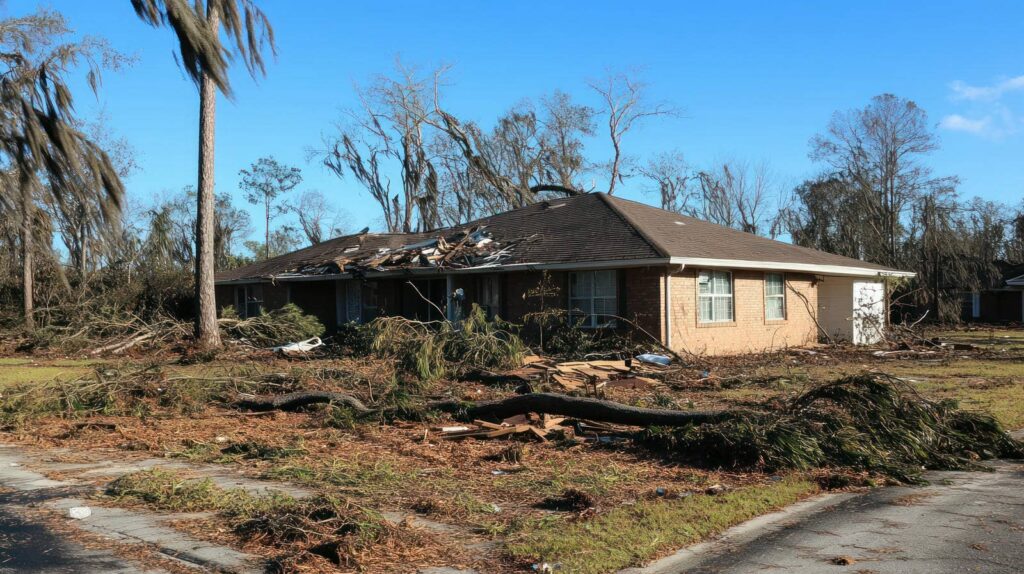
When a storm strikes, the aftermath can feel overwhelming. You need to act quickly to assess the damage and prioritize safety for yourself and others. Effective strategies for recovery help restore your property and provide peace of mind. Understanding the steps to take can greatly impact your storm damage recovery timeline. Discovering the nuances of immediate response can make all the difference as you navigate this challenging situation.
Damage Recovery : Key Takeaways
- Immediately assess and document damage with photographs and detailed inventories for insurance claims and recovery planning.
- Prioritize safety by wearing protective gear and being vigilant for hazards in the affected areas.
- Contact professional restoration services promptly to address complex damage and prevent further issues.
- Develop and regularly update a comprehensive emergency plan with community members to enhance preparedness for future storms.
- Foster community resilience through resource sharing, training, and collaboration to strengthen recovery efforts and support networks.
Assessing the Damage Immediately
When a storm hits, reviewing the damage immediately is essential for effective recovery. You’ll want to approach this damage evaluation systematically, ensuring you capture every detail.
Start by documenting the visible impacts to your property, whether it’s fallen trees, damaged roofs, or flooded areas. Take photographs to create a visual record, as these will be invaluable for insurance claims and recovery efforts.
Your immediate response is vital; prioritize examining areas that pose safety risks or could lead to further damage.
Engage with your community—neighbors may also be affected, and sharing insights can foster a sense of belonging. Remember, you’re not alone in this process. Collaborating with local resources can enhance your recovery strategy.
Prioritizing Safety Measures
Although evaluating the damage is vital, prioritizing safety measures should be your immediate next step.
Make sure you’ve got your safety gear on—gloves, masks, and sturdy footwear are essential. You might be tempted to jump right into cleanup, but without these protections, you could expose yourself to further harm.
Next, grab your emergency kit. Check that it contains essentials like flashlights, batteries, first aid supplies, and water. This kit can be a lifeline in unexpected situations.
As you navigate the area, stay vigilant for hazards like downed power lines or unstable structures. It’s okay to take a moment to assess the situation and make certain of your safety and that of others around you.
By prioritizing safety, you’re protecting yourself and fostering a sense of community support as you work together with neighbors to recover.
Contacting Professional Restoration Services
After ensuring your safety and assessing the damage, contacting professional restoration services is essential for a swift recovery.
These experts are trained to handle the complexities of storm damage, providing you with the peace of mind you need during this stressful time. When you call, make sure to inquire about their emergency response capabilities; quick action can prevent further damage and reduce restoration costs.
Choosing a reputable restoration service means you won’t be facing this challenge alone.
They’ll guide you through every step, from evaluating the damage to implementing effective solutions. Their experience allows them to address issues you might overlook, ensuring your home is restored to its original condition—or even better.
Documenting the Damage for Insurance Claims
Documenting the damage immediately after a storm is essential for filing insurance claims effectively.
Start by taking clear photographic evidence of all affected areas, focusing on both the broader scene and specific damages. These images will serve as crucial proof when dealing with your insurance company.
Next, create a detailed inventory of damaged items, including their value and condition. This list should encompass everything from structural damage to personal belongings, helping you present a thorough claim.
Removing Standing Water Quickly
Once you’ve documented the damage for your insurance claims, the next step is to address standing water, which can lead to further complications like mold and structural issues.
Quick water removal is vital for your home’s safety and your peace of mind. Here’s how to tackle it effectively:
Use flood pumps: These are essential tools for removing large amounts of water swiftly.
Assess the area: Identify the deepest parts of standing water first, as they require immediate attention.
Ensure safety: Before starting, check for any electrical hazards or other risks that could put you in danger.
Drying and Dehumidifying Affected Areas
As you move forward with the recovery process, drying and dehumidifying affected areas is essential to prevent mold growth and further damage.
Start by using fans and dehumidifiers to enhance air circulation, which helps reduce humidity levels. Position fans to create a cross breeze, ensuring moisture evaporates quickly.
Monitor the humidity control closely; ideally, you want to maintain indoor humidity below 60%. If conditions are particularly damp, consider renting industrial-grade equipment for faster results.
Don’t forget to check hidden spaces, like under cabinets and behind walls, where moisture can linger unnoticed.
This step isn’t just about restoring your home; it’s also about safeguarding your well-being. A dry environment fosters a sense of safety and comfort, allowing you to focus on the next phases of recovery.
Repairing Structural Damage
After a storm, evaluating the extent of structural damage is essential for your safety and recovery process.
It’s often wise to hire professional contractors who can provide expert evaluations and repairs, ensuring your home is restored properly.
In the meantime, implementing temporary solutions can help mitigate further issues while you work towards a more permanent fix.
Assessing Damage Extent
Evaluating the extent of damage after a storm is essential for effective recovery, especially when it comes to repairing structural issues.
You’ll want to use damage evaluation techniques and risk assessment tools to ensure a thorough understanding of the situation.
Here are key steps to follow:
Inspect the exterior: Look for cracks, shifts, or any visible damage to walls and foundations.
Check for water intrusion: Assess areas like basements and attics for signs of leaks or moisture.
Evaluate roof integrity: Examine shingles, flashing, and structural supports for potential weaknesses.
Taking these steps can help you identify critical repairs and prioritize your recovery efforts.
Hiring Professional Contractors
When you’re faced with the aftermath of storm damage, hiring professional contractors becomes essential for effectively repairing structural issues.
Look for contractors with the right qualifications—check their licenses, insurance, and references to ensure they’ve the expertise needed for your specific situation. A qualified contractor not only understands the complexities of your repairs but can also provide accurate project timelines, helping you manage expectations during this stressful time.
Communication is key, so choose someone who listens to your concerns and keeps you updated throughout the process. Remember, you’re not just hiring a contractor; you’re building a partnership aimed at restoring your home and peace of mind.
This connection can make all the difference as you navigate your recovery journey.
Implementing Temporary Solutions
While you wait for professional help to arrive, implementing temporary solutions to repair structural damage can be essential in minimizing further issues.
Quick actions can protect your home and provide you with peace of mind. Here are some effective strategies:
Set up temporary barriers: Use plywood or tarps to cover damaged areas and prevent water intrusion.
Perform emergency repairs: Secure loose roofing materials or windows to avoid additional damage from wind and rain.
Document the damage: Take photos for insurance claims while you’re creating temporary solutions.
Implementing Preventive Measures for the Future
To ensure your property withstands future storms, it’s vital to adopt a proactive approach to preventative measures. Start by implementing stormproofing techniques, such as reinforcing your roof and installing impact-resistant windows.
These upgrades enhance your home’s safety and foster a sense of community resilience.
Consider landscaping strategies that direct water away from your property, reducing the risk of flooding. Regular maintenance, like cleaning gutters and inspecting drainage systems, plays an important role in long-term resilience.
Additionally, creating an emergency plan with your neighbors strengthens your support network during crises. Share resources, knowledge, and experiences to cultivate a sense of belonging and optimism.
Investing in these preventative measures may seem intimidating, but they empower you and your community to face future storms with confidence.
Final Thoughts
In the wake of a storm, swift action can be your lifeline. By evaluating damage, prioritizing safety, and engaging professionals, you set the stage for a robust recovery. Documenting everything aids in insurance claims and fortifies your future resilience. Remember, rebuilding isn’t just about fixing what’s broken; it’s about creating a stronger foundation for the next storm. With community support and proactive measures, you can weather any storm that comes your way.
Recent Posts
Top Tools for Efficient Home Flood Recovery
When facing home flood recovery, it’s vital to have the right tools at your disposal.
7 Best Tools for Effective Flood Cleanup
When tackling flood cleanup, knowing what tools to use, understanding their purpose, and mastering their
What Are Effective Techniques for Detecting Pipe Leaks?
Detecting pipe leaks is essential for maintaining infrastructure and preventing costly damage. You can utilize