
Contents
Knowing how to act can make all the difference when a storm leaves your property in disarray. You’ll need to assess the storm damage thoroughly while prioritizing safety for yourself and others. It’s not just about cleaning up; it’s about understanding the risks involved and taking proactive steps. By implementing effective strategies, you can restore your space and protect it from future storms. What should your first steps be in this challenging process?
Key Takeaways
- Conduct a thorough assessment of damage, documenting visible and hidden issues for insurance claims and future repairs.
- Prioritize safety by wearing appropriate gear and staying informed about local hazards before starting cleanup efforts.
- Use submersible pumps for large areas of standing water and wet-dry vacuums for smaller spaces to ensure efficient removal.
- Promptly remove contaminated materials and sanitize affected surfaces to prevent mold growth and maintain a safe environment.
- Implement preventive measures, such as sealing cracks and maintaining drainage systems, to protect against future storm damage.
Assessing the Damage Thoroughly
When you face the aftermath of a storm, it’s important to assess the damage thoroughly before diving into cleanup efforts.
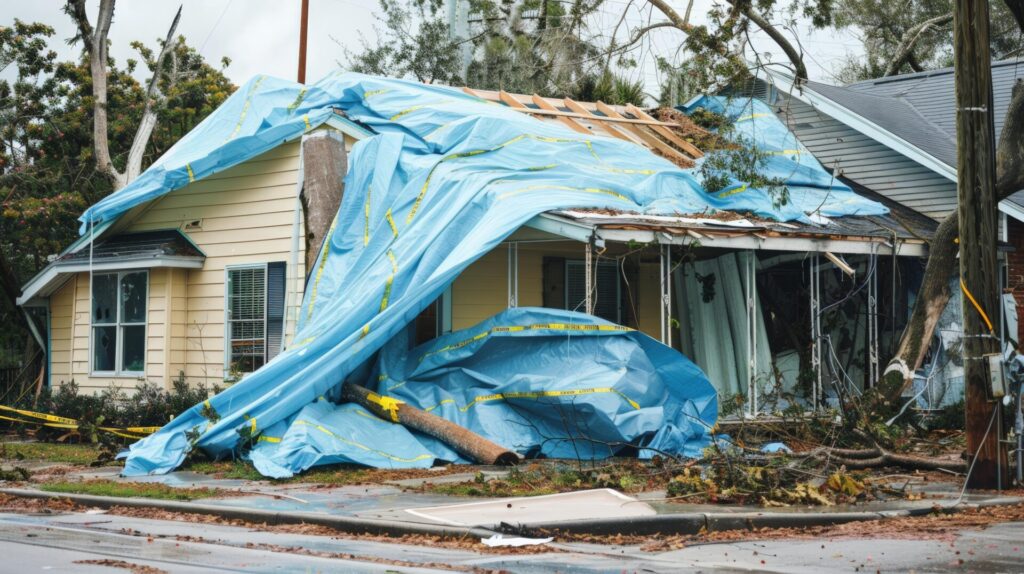
Start with a detailed storm assessment to identify the extent of structural harm and debris. Walk through your property, taking note of broken windows, damaged roofing, or compromised walls.
This damage evaluation isn’t just about visible issues; consider hidden problems like water intrusion, which can lead to mold. Document everything with photos and notes, as this will be vital for insurance claims and future repairs.
Remember, you’re not alone in this process; many in your community are facing similar challenges. Sharing experiences and insights can foster a sense of belonging and support.
Prioritizing Safety Measures
As you begin the storm damage cleanup process, prioritizing safety measures is essential to protect yourself and others.
Start by equipping yourself with the necessary safety gear, such as gloves, helmets, and sturdy footwear. These items aren’t just precautions; they’re your first line of defense against potential hazards, like sharp debris or falling branches.
Next, familiarize yourself with the emergency procedures in your area. Knowing what to do in case of an injury or further hazardous events can make all the difference.
Encourage those around you to stay informed and communicate openly about safety concerns.
Documenting the Affected Areas
After a storm, it’s essential to document the affected areas thoroughly.
To ensure a clear picture of the situation, capture visual evidence of the damage, take an inventory of your belongings, and record repair estimates.
This organized approach aids in recovery and helps communicate your needs to insurance companies and contractors effectively.
Capture Visual Evidence
Capturing visual evidence is essential for effectively documenting the aftermath of storm damage, especially since it provides a clear record of the extent of destruction.
Visual documentation helps you communicate the situation to insurance companies and aid organizations. To ensure your photos are effective, follow these steps:
- Take thorough shots: Capture wide-angle images of affected areas as well as close-ups of specific damages.
- Organize your photos: Group images by location and severity to make them easier to reference later.
- Date and label: Note the date and details of each photo, as this information can be critical for claims.
Inventory Damaged Belongings
Documenting the inventory of damaged belongings is a crucial step in storm damage cleanup, ensuring you have an extensive record of what’s been affected.
Use inventory techniques like creating lists or spreadsheets to thoroughly catalog each item. Start with larger items, then move to smaller possessions, noting their condition.
Pay special attention to sentimental items; these often hold irreplaceable value and can be emotionally challenging to assess.
Take detailed photographs to accompany your written inventory, providing visual proof of each item’s state.
This process helps in potential recovery claims and aids in your emotional healing.
Record Repair Estimates
Evaluating the damage to your property is crucial for a successful storm recovery.
Accurate documentation aids in insurance claims and helps you understand the repair cost estimates.
Here’s how to effectively record repair estimates:
- Photograph Affected Areas: Take clear pictures of all damage, including roofs, walls, and landscaping.
- List Necessary Repairs: Write down each repair needed, specifying materials and labor required.
- Get Professional Quotes: Contact contractors for detailed estimates to ensure you have a solid understanding of the costs involved.
Removing Standing Water Efficiently
Once the storm passes, tackling standing water quickly is essential to prevent further damage.
You can use submersible pumps for larger volumes of water, while wet-dry vacuums are perfect for smaller areas.
Use Submersible Pumps
When a storm leaves your property flooded, using submersible pumps can be a game changer in removing standing water quickly and effectively.
Selecting the right submersible pump types is essential for ideal performance. Here are some tips to guide you:
- Choose the right pump: Depending on the depth and volume of water, consider a utility pump for shallow areas or a heavy-duty pump for deeper flooding.
- Inspect before use: Check for any damage or debris that may hinder performance. This is important for pump maintenance.
- Follow safety precautions: Always confirm the power supply is safe and avoid electrical hazards.
Employ Wet-Dry Vacuums
While flooding can be overwhelming, employing wet-dry vacuums offers an effective solution for quickly removing standing water from your property.
These vacuums come equipped with powerful suction capabilities and durable, waterproof construction—key wet dry vacuum features that make them ideal for storm cleanup.
As you tackle the mess, focus on selecting a vacuum with a large capacity to minimize trips to the disposal site.
Remember to follow vacuum maintenance tips, such as regularly checking filters and hoses, to ensure peak performance.
Using a wet-dry vacuum expedites cleanup and protects your home from further damage.
Together, we can navigate this challenging process and restore your space to its former glory.
Drying Out the Affected Spaces
As you begin the process of drying out the affected spaces, it’s crucial to act swiftly to prevent further damage and mold growth.
Moisture control is key during this critical phase. Here are three key strategies to help you effectively dry out your home:
- Increase Air Circulation: Open windows and doors to let fresh air flow through, creating a cross-breeze that helps evaporate moisture. Use fans to enhance circulation further.
- Utilize Dehumidifiers: These devices can considerably reduce humidity levels, accelerating the drying process. Place them in affected areas for ideal results.
- Remove Wet Materials: Dispose of soaked carpets, drywall, or insulation as they can retain moisture and foster mold growth.
Cleaning and Sanitizing the Environment
Cleaning and sanitizing the environment is essential after storm damage, especially since lingering moisture can lead to mold and health hazards. You need to act quickly to prevent these issues from escalating.
Start by removing any contaminated materials and debris, focusing on areas where moisture collects. Implement mold remediation techniques, such as using specialized cleaners and ensuring proper ventilation, to eliminate spores and prevent future growth.
Don’t forget to sanitize surfaces that may have come into contact with floodwaters, as these can harbor harmful bacteria. It’s important to prioritize your family’s environmental health; you’re not just cleaning for now, but for a safer, healthier home in the future.
This process can be overwhelming, but remember, you’re not alone—community resources and professionals are available to support you. Take each step carefully, and soon, your living space will feel like home again, free from the shadows of storm damage.
Repairing Structural Damage
Once you’ve addressed the cleaning and sanitizing of your environment, it’s time to assess and repair any structural damage caused by the storm. This process can feel intimidating, but taking methodical steps will help you regain your space.
- Conduct Structural Assessments: Start by checking for cracks, water damage, or compromised load-bearing walls. Use a professional if necessary to ensure safety.
- Choose Repair Materials Wisely: Depending on the damage, you may need wood, concrete, or steel. Make sure these materials are durable and suitable for your local climate.
- Document Everything: Keep records of assessments, repairs, and costs. This information can be essential for insurance claims and future reference.
Preventing Future Water Damage
While you may have successfully navigated the aftermath of a storm, preventing future water damage requires proactive measures and careful planning.
Start by evaluating your property’s vulnerabilities and implementing effective waterproofing solutions. This could involve sealing cracks in your foundation or installing waterproof barriers in susceptible areas.
Next, focus on your drainage systems. Ensure that gutters and downspouts direct water away from your home. Regularly clear debris to prevent clogs, which can lead to overflow and seepage.
Consider adding French drains or sump pumps for added protection against heavy rain.
Additionally, landscape your yard to promote proper water flow. Grading your property can help divert water away from your foundation.
Summary
In the aftermath of a storm, your home can feel like a shipwreck, but with a strategic approach to cleanup, you can restore its former glory. By carefully evaluating damage, prioritizing safety, and implementing thorough cleaning and preventive measures, you’re not just mending walls; you’re rebuilding hope. Each step you take is a stitch in the fabric of your home’s resilience, preparing it to weather future storms with renewed strength and fortitude.
Recent Posts
Top Tools for Efficient Home Flood Recovery
When facing home flood recovery, it’s vital to have the right tools at your disposal.
7 Best Tools for Effective Flood Cleanup
When tackling flood cleanup, knowing what tools to use, understanding their purpose, and mastering their
What Are Effective Techniques for Detecting Pipe Leaks?
Detecting pipe leaks is essential for maintaining infrastructure and preventing costly damage. You can utilize