
Contents
When a plumbing mishap occurs, it’s vital to address the situation promptly and efficiently. Start by prioritizing safety and evaluating the extent of the damage.
Once you’ve confirmed the environment is secure, the next steps you take will be crucial in preventing further issues. Understanding the best techniques for handling the aftermath can save both time and money.
That’s why knowing the most effective strategies for cleanup is essential to restoring your space quickly and properly.
Key Takeaways
- Wear safety gear like gloves and goggles to protect yourself during the cleanup process.
- Shut off the main water supply to prevent further flooding and damage.
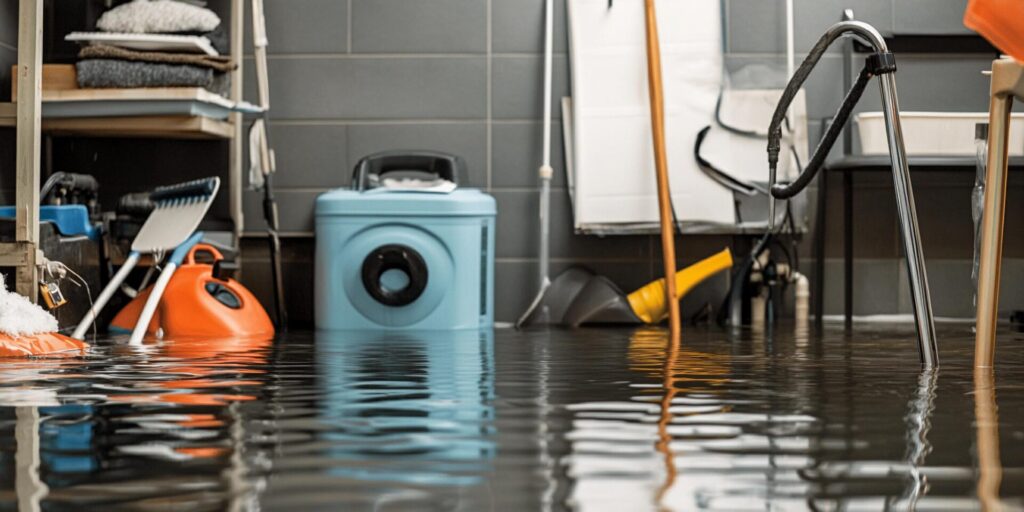
- Remove standing water quickly using wet/dry vacuums and submersible pumps for effective cleanup.
- Dry out affected areas with dehumidifiers and fans to inhibit mold growth.
- Clean and disinfect surfaces using EPA-approved products to ensure a safe environment.
Assessing the Damage and Safety Precautions
When you discover a burst pipe, your first step is to assess the damage while prioritizing safety. Start by putting on appropriate safety gear, including gloves and goggles, to protect yourself from potential hazards like sharp debris or contaminated water.
Next, conduct a thorough damage evaluation. Look for wet spots, mold growth, and structural weaknesses in affected areas. Take note of any furniture or personal belongings that may be damaged and need relocation.
Document your findings with photos for insurance purposes, ensuring you capture the extent of the water damage. If you encounter electrical hazards, stay clear and consult a professional.
Shutting Off the Water Supply
To effectively manage a burst pipe situation, your first action should be shutting off the water supply. This step is essential to prevent further damage and reduce cleanup efforts.
Here’s how to do it efficiently:
- Locate the main water valve – This is usually found near the water meter or where the water line enters your home.
- Turn the valve clockwise – This will stop the flow of water, effectively acting as your emergency shutoff.
- Check for additional valves – If the burst pipe is localized, you may find shutoff valves for specific areas, such as sinks or appliances.
- Confirm water is off – Turn on a faucet to verify no water flows, verifying that the supply is completely shut down.
Taking these steps promptly can save you from significant damage and stress during a plumbing emergency.
Removing Standing Water
Once you’ve shut off the water supply, your next step is evaluating the water levels in the affected area.
You’ll need to use effective equipment, like pumps and wet vacuums, to remove standing water efficiently.
Swift action can prevent further damage and reduce the risk of mold growth.
Assessing Water Levels
Evaluating water levels is essential for effectively removing standing water after a burst pipe incident.
Accurate water detection and moisture measurement help you assess the situation better.
Follow these steps to determine water levels:
- Visual Inspection: Look for visible pools of water and damp surfaces.
- Use a Moisture Meter: Measure the moisture levels in walls and floors to identify hidden water.
- Check Basements and Crawl Spaces: Inspect these areas for accumulated water, as they often trap moisture.
- Mark Water Lines: Use a marker to note the highest water level, which can help track changes over time.
Using Effective Equipment
When a burst pipe causes standing water, using effective equipment is crucial for a quick and efficient cleanup. Start with a powerful wet/dry vacuum for immediate water extraction. This tool helps remove large volumes of water swiftly. Additionally, consider using submersible pumps for deeper areas that a vacuum can’t reach.
| Equipment | Maintenance Tips |
|---|---|
| Wet/Dry Vacuum | Clean filters regularly |
| Submersible Pump | Check for clogs or debris |
| Dehumidifier | Change water collection tank frequently |
Proper equipment maintenance ensures your tools function at their best during emergencies. Remember, the faster you act, the less damage you’ll face, making effective equipment your best ally in a burst pipe situation.
Drying Out Affected Areas
Once you’ve removed standing water, it’s essential to eliminate any remaining moisture from affected areas.
Use dehumidifiers effectively to enhance the drying process and prevent mold growth.
Remove Excess Water
To effectively remove excess water from areas affected by a burst pipe, you need to act quickly and methodically.
Start with a thorough flood damage assessment to identify the most impacted areas. Then, employ the following water extraction methods:
- Shut Off Water Supply: Confirm the water source is turned off to prevent further flooding.
- Use a Wet/Dry Vacuum: This tool is essential for extracting standing water from floors and carpets.
- Mop and Towels: After vacuuming, use mops and towels to absorb residual moisture.
- Inspect for Hidden Water: Check behind walls and under furniture, as trapped water can cause mold.
Taking these steps promptly will help mitigate damage and restore your home efficiently.
Use Dehumidifiers Effectively
How do you effectively use dehumidifiers to dry out areas affected by a burst pipe?
First, make sure proper dehumidifier placement by positioning the unit in the center of the affected area for ideal airflow.
Close all windows and doors to enhance humidity control.
Adjust the settings to a low humidity level, typically around 30-50%, to expedite the drying process.
Monitor the water collection tank regularly, emptying it as needed to maintain efficiency.
If possible, use multiple units in larger spaces to accelerate drying.
Additionally, combine dehumidifiers with fans to circulate air, further improving moisture removal.
Following these steps will help you restore your home swiftly and reduce the risk of mold growth.
Cleaning and Sanitizing Surfaces
As water from a burst pipe can lead to significant contamination, promptly cleaning and sanitizing surfaces is essential to prevent mold growth and other health hazards.
To effectively tackle this task, follow these surface disinfection methods using appropriate cleaning agents:
- Remove Debris: Clear away any standing water, dirt, or debris to access the affected surfaces.
- Choose the Right Cleaning Agents: Use EPA-approved disinfectants that are effective against mold and bacteria.
- Apply Disinfectants: Follow the manufacturer’s instructions for applying cleaning agents, ensuring thorough coverage on all surfaces.
- Rinse and Dry: After disinfection, rinse surfaces with clean water and dry them completely to minimize moisture retention.
Repairing and Restoring Damaged Materials
Repairing and restoring damaged materials after a burst pipe is essential to ensure the structural integrity and safety of your space.
Start by evaluating the affected areas; remove any saturated materials, like drywall or insulation, as these can harbor mold. When you replace materials, opt for water-resistant options whenever possible. This enhances durability and aids in mold prevention.
For flooring, consider replacing damaged sections with similar materials to maintain cohesion in your home’s design.
Make sure adequate drying and ventilation before installing new materials to minimize moisture retention.
Additionally, treat any wooden structures with a mold-resistant sealant to further protect them.
Finally, keep an eye on humidity levels in your home after repairs. This proactive approach fosters a safe and inviting environment, allowing you to feel at home again.
Prioritizing these steps will help you restore your space efficiently and effectively.
Final Thoughts
In the aftermath of a burst pipe, swift action is your best ally. By following these techniques, you mitigate damage and safeguard your home against future issues.
Recent Posts
Top Tools for Efficient Home Flood Recovery
When facing home flood recovery, it’s vital to have the right tools at your disposal.
7 Best Tools for Effective Flood Cleanup
When tackling flood cleanup, knowing what tools to use, understanding their purpose, and mastering their
What Are Effective Techniques for Detecting Pipe Leaks?
Detecting pipe leaks is essential for maintaining infrastructure and preventing costly damage. You can utilize