
Contents
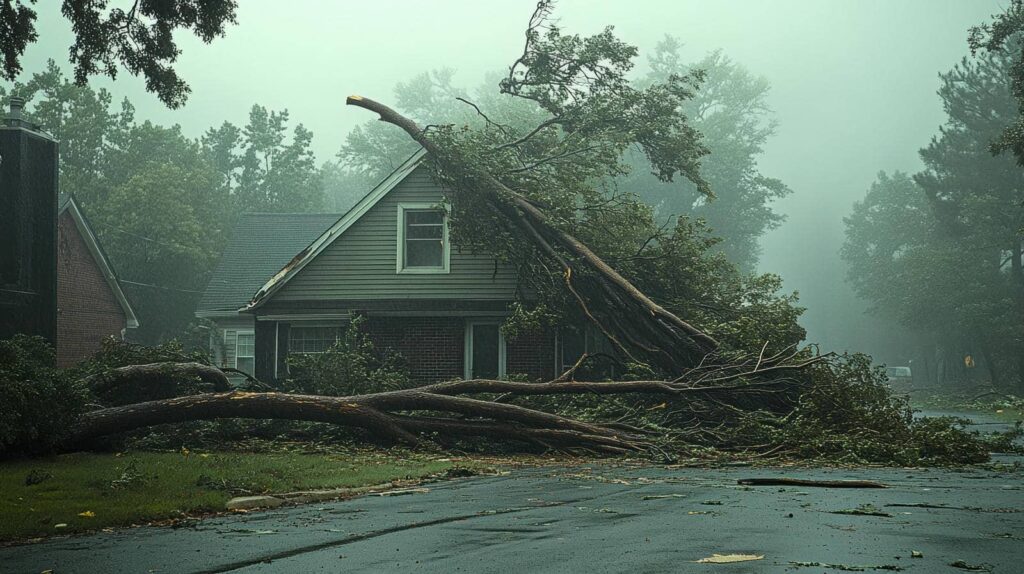
When a storm hits, the aftermath can feel overwhelming. It’s crucial to approach the storm damage cleanup process systematically. Start by evaluating the damage carefully, as this lays the groundwork for your next steps. Prioritizing safety should be your first concern—after all, no progress can be made if you’re at risk. Understanding how to tackle the situation effectively can make all the difference in restoring your property to its former state. What comes next may surprise you.
Key Takeaways
- Document all damage thoroughly with photos and notes to support insurance claims and assess necessary repairs.
- Prioritize safety by wearing protective gear and avoiding hazards like downed power lines and unstable structures.
- Gather necessary tools for cleanup, including pumps for water removal and shovels for debris, while ensuring a first aid kit is accessible.
- Engage professionals for expert assessment and efficient cleanup, ensuring all hidden hazards are addressed and specialized equipment is utilized.
- Implement preventive measures post-cleanup, such as regular maintenance and improved drainage systems, to reduce future storm damage risks.
Assessing the Damage
When you step outside after a storm, it’s vital to first assess the damage to your property with a careful eye.
Start by documenting everything—take photos and make notes on the extent of the damage. This damage evaluation is important for understanding what needs immediate attention and for any insurance claims you may need to file.
Look for visible signs of damage, such as broken windows, roof leaks, or downed branches, which can lead to further issues if left unaddressed.
Don’t forget to check your landscaping; uprooted plants or damaged fences can affect your overall property value.
Being thorough now helps ensure that you’re reacting to immediate concerns, and protecting your investment in the long run.
As you gather this information, remember, you’re not alone in this process; your community is likely facing similar challenges, and sharing experiences can provide support and reassurance.
Prioritizing Safety
After evaluating the damage, your next step is to prioritize safety. You might feel overwhelmed, but taking precautions is vital. Start by gathering essential safety gear like gloves, helmets, and sturdy footwear to protect yourself from hazards. Familiarize yourself with your emergency contacts, making sure you know who to reach out to if an accident occurs.
Here’s a quick reference to help you stay safe:
| Safety Tip | Importance |
|---|---|
| Wear safety gear | Protects against injuries |
| Check for downed lines | Prevents electrocution |
| Avoid unstable structures | Reduces risk of falls |
| Keep a first aid kit | Provides immediate assistance |
| Communicate with others | Ensures that help is available |
Gathering the Right Tools
As you prepare to tackle the cleanup, gathering the right tools is essential for efficiency and safety. Start by evaluating the damage and identifying the necessary tool types. A sturdy pair of gloves, a mask, and safety goggles should be your first priorities to protect yourself.
Next, consider investing in cleanup kits that include essentials like a shovel, trash bags, and a rake. Having these items on hand can greatly streamline your efforts.
For larger debris, a chainsaw or a sturdy saw might be necessary, depending on the extent of the damage.
Don’t forget about a first aid kit; accidents can happen, and it’s crucial to be prepared. By ensuring you have the right tools, you enhance your ability to clean up effectively and foster a sense of community as you may find others in need of assistance.
Removing Water and Debris
While tackling storm damage, removing water and debris is essential for preventing further issues, such as mold growth and structural instability.
Start with effective water extraction methods, like pumps or wet vacuums, to remove standing water quickly. These tools help you reclaim your space, making it feel less overwhelming. Use caution, as you may encounter hazardous materials in the water.
Once the water’s gone, turn your attention to debris disposal options. Identify what can be salvaged and what needs to be discarded.
Break down large items and separate recyclables from non-recyclables. If you’re unsure, local waste management services can provide guidance on proper disposal techniques.
Drying and Dehumidifying
After removing standing water and debris, you need to focus on drying and dehumidifying your space to prevent mold and structural damage.
Choosing the right dehumidifier is essential, and monitoring humidity levels will help you stay ahead of potential issues.
Let’s explore these strategies to ensure your home returns to a safe and comfortable state.
Importance of Rapid Drying
Rapid drying is essential in the aftermath of storm damage, as it greatly reduces the risk of mold growth and structural deterioration. When you implement effective rapid drying techniques, you can control moisture levels, ensuring your home remains safe and secure. Here’s a quick overview of the benefits of rapid drying:
| Technique | Benefit | Timeframe |
|---|---|---|
| Air Movement | Speeds up evaporation | 24-48 hours |
| Heat Treatment | Reduces humidity | 1-3 days |
| Dehumidifiers | Continually extracts moisture | Ongoing until dry |
Dehumidifier Selection Tips
Effective rapid drying techniques lay the groundwork for successful storm damage recovery, but selecting the right dehumidifier can make all the difference in your home’s restoration process.
Start by understanding dehumidifier types; refrigerant models are great for warmer spaces, while desiccant units excel in cooler areas.
Assess your specific needs by considering the size of the affected area and the level of humidity control required. A unit with a built-in humidistat can help maintain ideal moisture levels automatically.
Don’t forget to look for energy-efficient options to save on costs while protecting your environment.
Monitoring Humidity Levels
Monitoring humidity levels is essential during the drying and dehumidifying process, especially after storm damage. By keeping a close eye on humidity control, you can prevent mold growth and structural damage.
Use a hygrometer to measure moisture levels regularly, aiming for a relative humidity below 60%. It’s vital to understand that high humidity can prolong the drying process, leading to further complications.
Implementing moisture monitoring techniques, like checking air circulation and using dehumidifiers, can greatly enhance your cleanup efforts.
Preventing Future Damage
To prevent future storm damage, you need to prioritize regular maintenance checks on your property.
Investing in reinforcements for your structure and implementing effective landscape drainage solutions can greatly reduce risk.
Regular Maintenance Checks
While storms can strike unexpectedly, conducting regular maintenance checks on your property can considerably lessen the damage they cause.
By scheduling seasonal inspections, you’re taking a proactive approach to protect your home and loved ones. Check your roof for loose shingles, clear gutters of debris, and inspect windows for any potential leaks.
These small actions can prevent water intrusion and structural issues during severe weather. Engaging in proactive maintenance fosters a sense of security and builds a community spirit among neighbors who share similar concerns.
When you prioritize these checks, you create a safer environment for everyone. Remember, a little effort now can go a long way in safeguarding your home against future storm damage.
Invest in Reinforcements
Investing in reinforcements strengthens your property against future storms, providing you with peace of mind during unpredictable weather events.
Consider implementing structural reinforcements, such as steel beams or hurricane ties, to enhance the integrity of your home. These upgrades can greatly reduce the risk of severe damage.
Additionally, material upgrades—like impact-resistant windows and reinforced roofing—can provide an extra layer of protection.
When you prioritize these improvements, you safeguard your living space and foster a sense of belonging within your community, knowing you’re taking steps to protect your home and those around you.
Landscape Drainage Solutions
When heavy rains strike, inadequate drainage can lead to significant landscape damage and costly repairs.
To protect your property and create a welcoming environment, consider implementing effective drainage systems and proper landscape grading.
Here are some solutions that’ll help you prevent future damage:
- Install French drains to redirect water away.
- Utilize rain gardens to absorb excess rainfall.
- Apply proper landscape grading to direct water flow.
- Create swales to channel runoff effectively.
- Regularly inspect and maintain existing drainage systems.
Seeking Professional Help
As the aftermath of a storm leaves your property in disarray, seeking professional help can be an essential step in restoring safety and order. Engaging professional services allows you to tap into the expertise needed for an effective cleanup process.
These experts provide an objective, expert assessment of the damage, identifying hidden hazards you might overlook. You’re not just hiring a crew; you’re connecting with individuals who understand your concerns and share your goal of returning your home to its pre-storm condition.
Their experience ensures that the cleanup is conducted efficiently, minimizing the risk of further damage or injury. Moreover, professional services often have access to specialized equipment that can expedite the cleanup process.
Recap
In the aftermath of a storm, your proactive approach can make all the difference. By meticulously documenting damage, prioritizing safety, and seeking professional help, you’re not just cleaning up; you’re rebuilding your haven, piece by piece. It may feel like you’re facing a mountain of chaos, but with each step you take, you’re transforming devastation into renewal. Remember, you don’t have to navigate this tumultuous journey alone—support is just a call away, ready to help restore your peace of mind.
Recent Posts
Top Tools for Efficient Home Flood Recovery
When facing home flood recovery, it’s vital to have the right tools at your disposal.
7 Best Tools for Effective Flood Cleanup
When tackling flood cleanup, knowing what tools to use, understanding their purpose, and mastering their
What Are Effective Techniques for Detecting Pipe Leaks?
Detecting pipe leaks is essential for maintaining infrastructure and preventing costly damage. You can utilize