
Contents
When a storm hits, the aftermath can feel overwhelming. You might notice water pooling in your home or signs of mold creeping in. It’s vital to act quickly to prevent further damage and protect your property. Professional cleanup teams are ready to step in, equipped with the right tools and expertise. Knowing when to call for help can make all the difference in your recovery journey. But how do you recognize the right moment to reach out?
Key Takeaways
- Professional restoration services offer prompt assessment and cleanup after storm damage to minimize further issues.
- Experts utilize advanced water extraction techniques to ensure thorough and efficient removal of water.
- Safety precautions, including PPE and hazard identification, are prioritized to protect cleanup teams.
- Immediate action from professionals can prevent mold growth and extensive structural damage.
- Documentation of damage by experts aids in facilitating insurance claims and recovery efforts.
Understanding Storm Damage and Its Impact
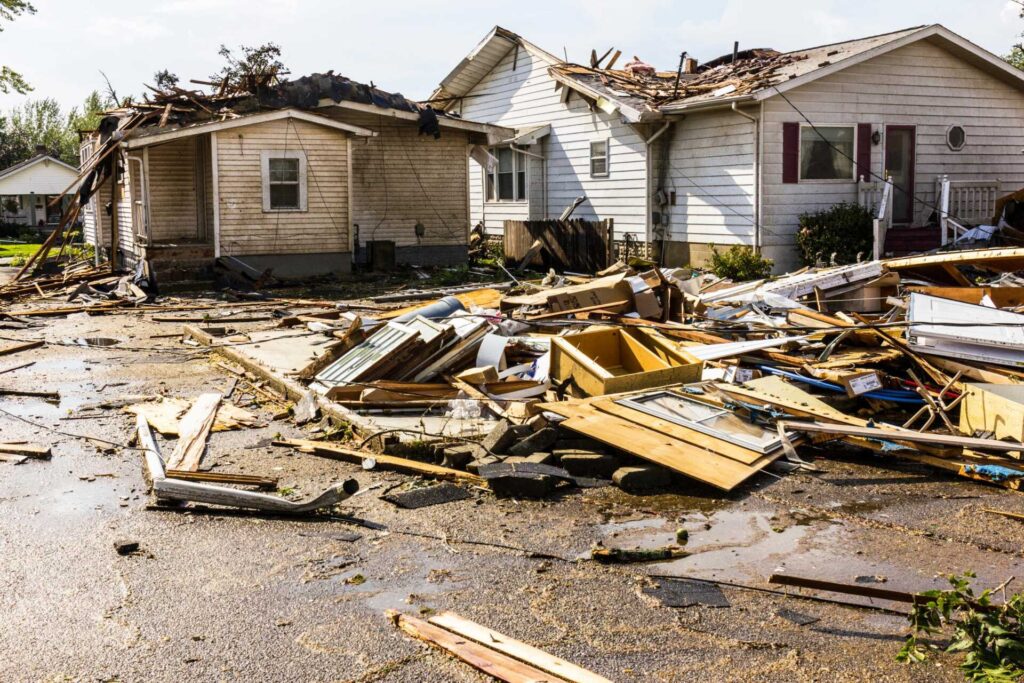
When a storm strikes, the aftermath can be overwhelming, leaving you to navigate the chaos it brings. Different storm types, such as hurricanes, tornadoes, or thunderstorms, can cause varying levels of damage, impacting your home and community in unique ways.
It’s crucial to approach damage evaluation promptly; this can help you identify what needs immediate attention and what can wait.
Start by checking for structural damage, roof issues, and fallen debris. Document everything—photos can be invaluable for insurance claims and recovery efforts.
Don’t hesitate to reach out to neighbors or local support groups; sharing experiences can foster a sense of belonging during such a challenging time.
Signs of Water Damage After a Storm
Even if the storm has passed, water damage can linger long after the winds die down. You might notice water stains on your ceilings or walls, which are clear indicators that moisture has made its way inside. These stains often appear as yellow or brown spots, and they can worsen if not addressed.
Keep an eye out for mold growth, too. If you see fuzzy patches or a musty smell, it’s a sign that moisture is trapped in your home. Mold can develop within 24 to 48 hours after water exposure, so it’s essential to act quickly.
Check areas like basements, attics, and around windows, where water is more likely to seep in. By being proactive and aware of these signs, you can protect your home and create a safer environment for you and your loved ones.
You’re not alone in this; help is available when you need it.
The Importance of Prompt Water Removal
After spotting signs of water damage, taking immediate action becomes vital.
The longer you wait, the more extensive the damage can become, leading to structural issues and mold growth that can affect your family’s health.
Prompt water removal is essential in minimizing these risks.
When you face a water emergency, every minute counts, and a swift response can save you from costly repairs down the line.
Professional Water Extraction Techniques
Professional water extraction techniques are vital in effectively combating the aftermath of flooding or leaks in your home.
When you face such challenges, utilizing advanced methods ensures swift recovery and minimizes damage. It’s important to act quickly, so here are some common techniques you might encounter:
Submersible Pumps: These powerful tools remove large volumes of water efficiently.
Wet/Dry Vacuums: Ideal for smaller areas, they help eliminate residual moisture.
Air Movers and Dehumidifiers: These drying techniques enhance air circulation, speeding up the drying process and preventing mold growth.
Assessing the Extent of Damage
When you face storm damage, evaluating the extent of the destruction is essential for effective recovery. Start by walking through your property, taking note of all visible damage. Look for issues like roof leaks, broken windows, or flooded areas.
This initial damage evaluation helps you understand what’s at stake and guides your restoration priorities. Document everything with photos and notes, as this information will be valuable for insurance claims and recovery plans.
Don’t hesitate to involve professionals; their expertise can help you pinpoint hidden damages that mightn’t be immediately visible.
Safety Precautions During Cleanup
Once you’ve assessed the extent of the storm damage, prioritizing safety during the cleanup process is vital.
You want to ensure that you and your loved ones remain protected while tackling the aftermath. Here are some key safety precautions to keep in mind:
Wear personal protective equipment (PPE): This includes gloves, masks, and sturdy footwear to shield yourself from debris and hazardous materials.
Conduct hazard identification: Look for downed power lines, sharp objects, or unstable structures before diving into cleanup efforts.
Work in teams: It’s safer and more efficient to tackle tasks with others. Plus, you’ll provide each other with support and encouragement during this tough time.
Long-Term Prevention Strategies
To prevent future storm damage, it’s crucial to conduct regular property inspections and maintain your landscape effectively.
By identifying potential hazards and managing vegetation, you can greatly reduce the risk of severe damage during storms.
Taking these proactive steps safeguards your home and brings you peace of mind.
Regular Property Inspections
Regular property inspections are essential for maintaining the integrity of your home and preventing storm damage.
By regularly evaluating your property, you can identify potential issues before they escalate into costly repairs. Aim for an inspection frequency of at least twice a year.
Here are some key aspects to focus on:
- Roof and Gutters: Check for debris, leaks, or missing shingles.
- Windows and Doors: Verify seals are intact to prevent water intrusion.
- Foundation and Landscaping: Look for cracks and proper drainage to avoid water pooling.
Proactive property maintenance safeguards your investment and provides peace of mind.
Landscape Management Practices
Effective landscape management practices enhance your property’s aesthetic appeal and play an essential role in preventing storm damage over the long term. By embracing sustainable landscaping, you create a resilient environment that thrives despite harsh weather.
Start by selecting native plants that require less water and are more resistant to local pests. Implement proper tree management techniques, such as regular pruning and removing dead branches, to minimize wind resistance and potential hazards.
Additionally, make certain that your soil is well-aerated and drains properly to prevent erosion. By taking these proactive steps, you protect your property and foster a sense of community and belonging, contributing to a healthier, more sustainable neighborhood.
When to Call in the Experts
How do you know when it’s time to bring in the professionals for storm damage cleanup? Understanding the storm severity and the extent of damage can be overwhelming. Here are some key indicators that you should consider calling in the experts:
Visible Structural Damage: If you notice cracks in walls or a compromised roof, an expert assessment is vital to ensure safety.
Downed Trees or Debris: Large trees or heavy debris can pose serious risks. Professionals have the equipment and expertise to handle these hazards safely.
Flooding or Water Damage: If your property has standing water or signs of mold, it’s important to act quickly. Professionals can mitigate further damage and ensure proper cleanup.
Review
In the aftermath of a storm, getting help from professionals can make all the difference. Imagine a family returning to their home only to find waterlogged walls and mold creeping in. By calling in experts right away, they salvaged their belongings and prevented long-term health issues. Remember, swift action is vital. Don’t hesitate to reach out for expert assistance—your home deserves a thorough cleanup, and you deserve peace of mind.
Recent Posts
Top Tools for Efficient Home Flood Recovery
When facing home flood recovery, it’s vital to have the right tools at your disposal.
7 Best Tools for Effective Flood Cleanup
When tackling flood cleanup, knowing what tools to use, understanding their purpose, and mastering their
What Are Effective Techniques for Detecting Pipe Leaks?
Detecting pipe leaks is essential for maintaining infrastructure and preventing costly damage. You can utilize