
Contents
After a storm, you might feel inclined to tackle the cleanup yourself. It’s tempting to assume that DIY methods can effectively handle any damage. However, not all storm damage is visible or minor. You could be overlooking crucial issues that might escalate if not addressed properly. Understanding when to intervene and when to seek professional help is essential for your home’s long-term health. So, how do you assess the extent of the damage?
Key Takeaways
- DIY cleanup is effective for minor debris and surface cleaning, but extensive damage may require professional assessment.
- Structural integrity issues, such as sagging roofs or unstable foundations, necessitate expert intervention for safety.
- Water damage and mold growth pose health risks, making professional services essential for thorough remediation.
- Safety precautions are crucial during DIY cleanup; protective gear helps prevent injuries from sharp debris.
- Regular property inspections and preventative measures can reduce the risk of significant storm damage in the future.
Assessing the Extent of Storm Damage
When a storm passes, evaluating the extent of the damage is crucial for your safety and recovery.
Start by conducting a thorough damage evaluation of your property. Look for visible signs of structural integrity issues, such as cracks in walls, sagging roofs, or unstable foundations.
Don’t overlook the smaller details; even minor damage can lead to significant problems if left unchecked.
Document everything with photographs, as this will be helpful for insurance claims and future repairs.
If you notice substantial damage or structural concerns, it’s important to reach out to professionals who can provide an in-depth assessment.
Remember, your safety comes first—if you’re unsure about the condition of your home, don’t hesitate to seek help.
You’re not alone in this process; many have faced similar challenges, and together, we can rebuild and restore our spaces to their former glory.
Essential DIY Cleanup Techniques
After evaluating the storm damage, it’s time to tackle the cleanup process. Start with effective debris removal, prioritizing safety as you clear away fallen branches, leaves, and any hazardous materials. Wear gloves and sturdy footwear to protect yourself. Use a rake or shovel for larger debris and a broom for finer particles.
Next, implement cleaning techniques for any affected surfaces. For mud and grime, a mixture of water and mild detergent works wonders—scrub gently but thoroughly. If you encounter mold, a solution of vinegar or a specialized cleaner can help eliminate it.
Ensure you dispose of debris properly, adhering to local regulations. Engaging in this cleanup restores your space and fosters a sense of community.
While it’s a challenging task, you’re not alone—many share this journey, and together, you can rebuild.
When to Call in Professionals
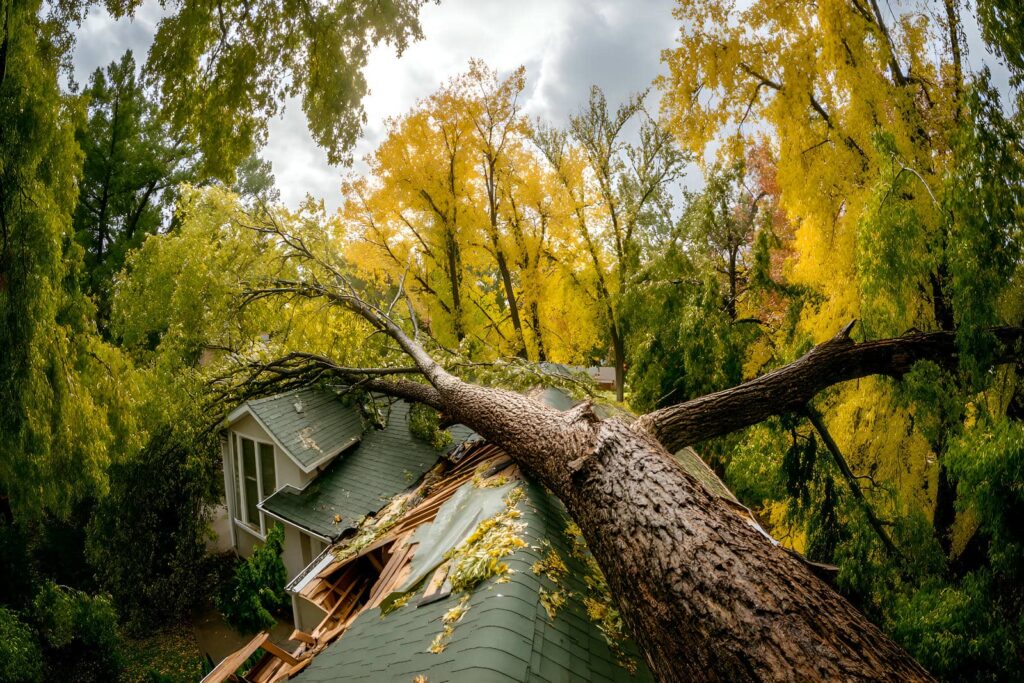
While tackling storm damage on your own can be empowering, there are times when calling in professionals is crucial for safety and efficiency. If you encounter extensive damage, such as significant structural issues or large fallen trees, it’s imperative to seek professional services.
These experts possess the specialized skills and equipment necessary to address complex repairs that go beyond basic cleanup.
Additionally, if you notice water damage, mold growth, or hazardous materials, professionals can assess and remediate these dangers effectively. Their experience ensures that the job is done correctly, reducing the risk of further complications.
Moreover, if you feel overwhelmed or unsure about how to proceed, don’t hesitate to reach out for help. Remember, prioritizing your safety and well-being is essential.
Safety Precautions During Cleanup
As you begin the cleanup process after storm damage, prioritizing safety is essential.
Wearing personal protective equipment, like gloves and sturdy footwear, helps shield you from potential hazards.
Additionally, being aware of your surroundings and identifying risks can prevent accidents and ensure a more effective recovery.
Personal Protective Equipment
When tackling the aftermath of storm damage, it’s crucial to prioritize your safety by using appropriate personal protective equipment (PPE).
Wearing the right protective gear meets safety standards and helps shield you from potential hazards.
Here are three key items to reflect on:
- Gloves: Protect your hands from sharp debris and chemicals.
- Safety goggles: Shield your eyes from dust and flying particles.
- Dust masks or respirators: Filter out harmful particles and improve air quality.
Using these items can make a significant difference in your cleanup efforts.
Hazard Identification Strategies
Identifying hazards during cleanup is essential for ensuring your safety and the safety of others. Conducting a thorough risk assessment helps you recognize potential dangers like sharp debris or electrical hazards. Maintaining hazard awareness will guide your actions and decisions.
| Hazard Type | Precaution |
|---|---|
| Sharp Objects | Wear gloves and sturdy shoes |
| Electrical Hazards | Avoid water-damaged areas |
| Toxic Materials | Use masks and ventilate spaces |
| Structural Damage | Assess stability before entry |
Long-term Solutions for Water Damage
While addressing immediate water damage is crucial, considering long-term solutions can prevent future issues and protect your home.
Implementing effective waterproofing techniques and moisture control measures is essential for ensuring your space remains safe and dry. Here are three strategies to help you achieve long-lasting protection:
Install a sump pump: This essential tool can help quickly remove excess water from your basement or crawl space, reducing the risk of mold growth.
Seal cracks and gaps: Regularly inspect your foundation and walls. Sealing any cracks can prevent water intrusion and keep your home structurally sound.
Enhance drainage systems: Proper grading and functional gutters direct water away from your home, minimizing the chances of water damage.
Preventative Measures for Future Storms
To safeguard your property from future storms, it’s crucial to implement preventative measures now.
Regular inspections can identify vulnerabilities, while thoughtful landscaping can enhance drainage and reduce flood risks.
Additionally, preparing an emergency supply kit ensures you’re ready for whatever nature throws your way.
Regular Property Inspections
Regular property inspections can considerably reduce the risk of storm damage by allowing you to identify potential vulnerabilities before they become major issues.
Emphasizing property maintenance through routine assessments helps you create a safer environment.
Here are some key areas to focus on during your inspections:
Roof and Gutters: Check for debris or damage that could cause leaks.
Windows and Doors: Inspect seals and frames to prevent wind and water intrusion.
Foundation and Drainage: Look for cracks or pooling water that could compromise structural integrity.
Landscaping for Drainage
Effective landscaping can considerably enhance drainage around your property, reducing the risk of storm damage in the future.
One vital aspect is landscape grading, which ensures that water flows away from your home. By sloping your yard appropriately, you can direct excess rainwater to designated drainage solutions like swales or rain gardens.
These features manage water and enrich your landscape, fostering a sense of community and belonging. Consider incorporating native plants that thrive in wet conditions, as they’ll absorb water and support local ecosystems.
Taking these proactive steps protects your property and enhances the beauty of your surroundings, creating a safe and welcoming environment for you and your neighbors.
Emergency Supply Kits
Having an emergency supply kit can make all the difference when preparing for future storms.
It’s not just about gathering items; it’s about ensuring you’re ready to face anything that comes your way. Proper kit organization is key to quick access during emergencies.
Here are some emergency essentials you shouldn’t overlook:
- Non-perishable food and water for at least three days
- First aid supplies, including medications and bandages
- Flashlights and batteries to stay safe and informed
Conclusion
In the aftermath of storm damage, knowing when to act and when to seek help is essential. You can tackle minor issues, you can clean up debris, and you can address surface damage, but understanding your limits is equally important. By evaluating damage thoroughly, you can prevent future complications, safeguard your home, and protect your peace of mind. Remember, a proactive approach today can save you from costly repairs tomorrow, so don’t hesitate to call in the experts when needed.
Recent Posts
Top Tools for Efficient Home Flood Recovery
When facing home flood recovery, it’s vital to have the right tools at your disposal.
7 Best Tools for Effective Flood Cleanup
When tackling flood cleanup, knowing what tools to use, understanding their purpose, and mastering their
What Are Effective Techniques for Detecting Pipe Leaks?
Detecting pipe leaks is essential for maintaining infrastructure and preventing costly damage. You can utilize