
Contents
You might think that handling water removal after a flood is overwhelming, but knowing the right techniques can simplify the process. Effective emergency water removal is vital to minimizing damage and preventing mold growth. Understanding the best methods, from using sump pumps to employing absorbent materials, can make a significant difference. Let’s explore these essential techniques that can help you respond efficiently and protect your property.
Key Takeaways
- Utilize sump pumps for efficient water removal, especially in basements, ensuring proper installation and regular maintenance.
- Employ wet/dry vacuums for smaller flooded areas, using a grid pattern to maximize extraction and maintain suction.
- Implement dehumidifiers in affected spaces to control moisture levels, choosing the right type based on the environment.
- Use absorbent materials like towels and mops for immediate water management and evaluate belongings for damage.
- Contact professional water damage restoration services for comprehensive assessments and restoration plans to prevent future issues.
Assessing the Damage and Safety Precautions
Before you start any water removal efforts, it’s crucial to assess the damage and prioritize safety.
Begin by inspecting your property for structural integrity; check walls, floors, and ceilings for signs of weakness. Look for electrical hazards—turn off power if you notice exposed wires or standing water. Conducting a thorough damage assessment helps you understand the severity of the situation and informs your next steps.
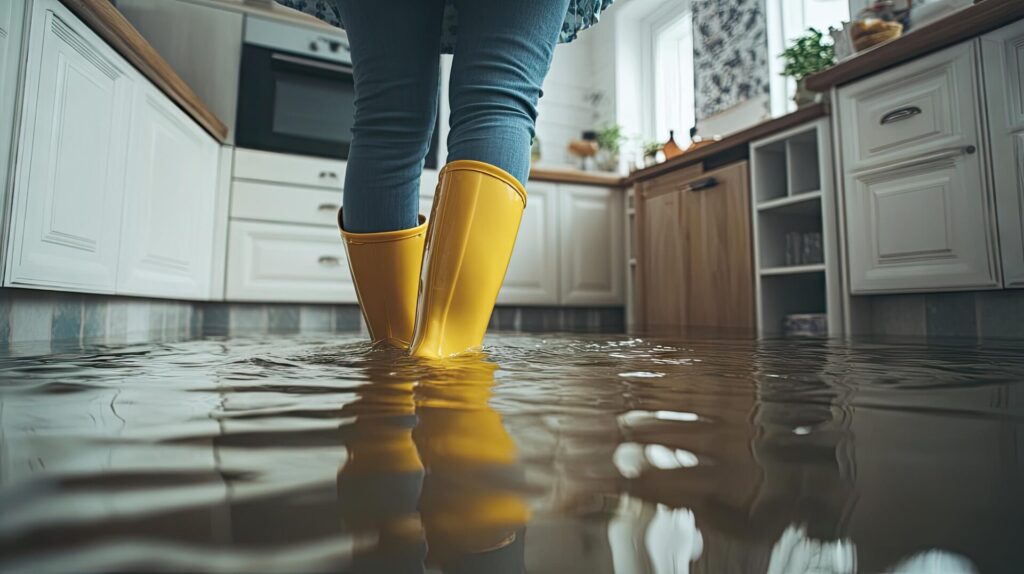
Make sure to wear personal protective equipment, such as gloves and boots, to safeguard against contaminants.
If the flooding is extensive, consider evacuating until professionals can evaluate the area. It’s important to communicate with your family or neighbors, ensuring everyone knows the plan and any potential risks.
Using Sump Pumps for Rapid Water Removal
When floodwaters invade your home, using a sump pump can be one of the quickest ways to remove excess water.
You’ll find various types of sump pumps available, each suited for different situations, so selecting the right model is essential.
Proper installation and regular maintenance ensure your pump operates efficiently when you need it most.
Types of Sump Pumps
Sump pumps serve as essential tools for rapid water removal during flood situations, effectively mitigating damage in affected areas.
There are two primary types of sump pumps you’ll encounter: submersible pumps and pedestal pumps.
Submersible pumps are designed to operate underwater, making them highly efficient for continuous water removal. They’re quieter and can handle larger volumes of water, which is ideal in severe flooding.
On the other hand, pedestal pumps are mounted above the sump pit, with a long hose leading to the water below. While they tend to be less expensive and easier to maintain, they’re not as powerful as submersible models.
Choosing the right pump depends on your specific needs and the severity of the flooding you face.
Installation and Maintenance Tips
Proper installation and maintenance of your sump pump are essential for effective water removal during a flood.
Begin by placing your sump pump in the lowest part of your basement, ensuring it has a solid base and proper drainage. Connect it to a discharge pipe that directs water away from your foundation to prevent flooding.
Regularly check the pump’s power source and clean the inlet screen to prevent clogs. Test the pump monthly by pouring water into the sump pit; it should activate and remove water quickly.
Additionally, consider a backup battery system for flood prevention during power outages.
Employing Wet/Dry Vacuums for Smaller Areas
Using a wet/dry vacuum can be one of the most effective methods for removing water from smaller areas impacted by flooding.
These versatile tools offer several wet/dry vacuum benefits, including the ability to handle both liquid and solid debris efficiently. Start by making sure your vacuum is set up correctly and that you’ve chosen the right attachments for your specific situation.
Use effective vacuum techniques by making slow, deliberate passes over the wet areas to maximize water extraction. If possible, create a grid pattern to make certain you don’t miss any spots.
After the initial pass, check the vacuum’s tank and empty it regularly to maintain suction power. Additionally, consider using the vacuum’s blower function to dry out corners or hard-to-reach areas.
Utilizing Dehumidifiers for Moisture Control
When managing moisture after a flood, using dehumidifiers is essential for effective recovery.
You’ll want to understand the different types of dehumidifiers available and their specific applications.
Additionally, placing them strategically in affected areas can greatly enhance their efficiency in moisture control.
Dehumidifier Types Explained
Dehumidifiers play an essential role in moisture control, especially after a flood, as they effectively reduce humidity levels in affected areas.
When choosing a dehumidifier, consider the type that best fits your needs. For smaller spaces, a portable dehumidifier offers high dehumidifier efficiency and is easy to move.
If you’re dealing with larger areas, industrial dehumidifiers provide greater dehumidifier capacity, quickly removing excess moisture.
Additionally, refrigerant dehumidifiers work well in warmer environments, while desiccant dehumidifiers excel in colder settings.
Understanding these options helps you select the right unit to restore comfort and safety in your home.
Optimal Placement Strategies
To effectively control moisture levels after a flood, ideal placement of dehumidifiers is essential. Start by positioning your dehumidifiers in the most affected areas, such as basements and lower levels, where moisture often accumulates.
Ascertain these units are away from walls and furniture to maximize airflow. Implement water diversion techniques by directing any residual water toward your drainage system; this enhances drainage system optimization and reduces moisture levels.
Additionally, consider placing dehumidifiers near sources of humidity, like wet carpets or furniture. Regularly monitor humidity levels to determine if adjustments are needed.
Implementing Absorbent Materials for Cleanup
After a flood, you’ll find that absorbent materials are essential for effective cleanup. These materials help you manage excess water and prevent further damage to your home.
Start by using high-quality towels, mops, or rags to soak up standing water. For larger areas, consider specialized absorbent pads or mats designed to wick moisture from floors.
Incorporate these cleanup techniques strategically: place absorbent materials in the most affected areas, and keep replacing them as they become saturated.
Additionally, using a wet/dry vacuum can enhance your efforts by removing waterlogged debris efficiently.
Removing Waterlogged Furniture and Belongings
As floodwaters recede, it’s crucial to address waterlogged furniture and belongings promptly to minimize damage and prevent mold growth.
Start by evaluating the extent of the damage. If items are heavily saturated, consider furniture disposal to avoid further issues. For salvageable pieces, use appropriate cleaning techniques.
Begin by removing excess water with a wet vacuum or towels.
Next, clean surfaces with a mixture of water and mild detergent, ensuring that you reach all crevices. Rinse thoroughly and allow items to dry completely in a well-ventilated area. Sunlight can help speed up the drying process and reduce odors.
For upholstered furniture, check if you can remove the fabric for washing. If not, use steam cleaning or professional cleaning products designed for water-damaged upholstery.
Contacting Professional Water Damage Restoration Services
Once you’ve dealt with your waterlogged furniture and belongings, the next step is to contemplate contacting professional water damage restoration services. Swift action is essential, as lingering moisture can lead to mold growth and structural damage.
Start by compiling a list of emergency contacts, focusing on reputable restoration services in your area. Look for companies that are licensed, insured, and have positive customer reviews.
When you reach out, provide them with details about the extent of the damage and the materials affected. They’ll typically conduct an assessment, outline a restoration plan, and discuss timelines and costs.
Their expertise ensures that your property is dried thoroughly and treated to prevent future issues. Remember, professional restoration services save time and help preserve your belongings and maintain your home’s integrity.
Don’t hesitate to seek help; it’s a fundamental step in recovering from a flood.
Wrap-Up
Effective water removal techniques can greatly minimize flood damage and restore your space. By evaluating damage, utilizing the right tools, and considering professional help, you can ensure a thorough recovery. Remember, regular maintenance of your equipment keeps you prepared for future incidents, making your flood response effective and efficient. Stay proactive and safeguard your home.
Recent Posts
Top Tools for Efficient Home Flood Recovery
When facing home flood recovery, it’s vital to have the right tools at your disposal.
7 Best Tools for Effective Flood Cleanup
When tackling flood cleanup, knowing what tools to use, understanding their purpose, and mastering their
What Are Effective Techniques for Detecting Pipe Leaks?
Detecting pipe leaks is essential for maintaining infrastructure and preventing costly damage. You can utilize