
Contents
Many people believe that recovering from a flood is as simple as drying things out, but that’s far from the truth. A proper flooded home cleanup involves careful assessment and systematic steps to guarantee your home is safe and livable again. If you’ve recently faced a flooding situation, understanding the right approach can make all the difference. Let’s explore the essential steps you should take to effectively restore your home after such a distressing event.
Key Takeaways
- Conduct a thorough damage assessment, documenting findings with photos for insurance purposes.
- Ensure safety by turning off power, avoiding contaminated water, and wearing protective gear.
- Remove standing water using a sump pump or wet/dry vacuum, working in manageable sections.
- Increase air circulation and use dehumidifiers to thoroughly dry out the affected area.
- Clean and disinfect surfaces using appropriate products, allowing them to sit for effectiveness.
Assess the Damage
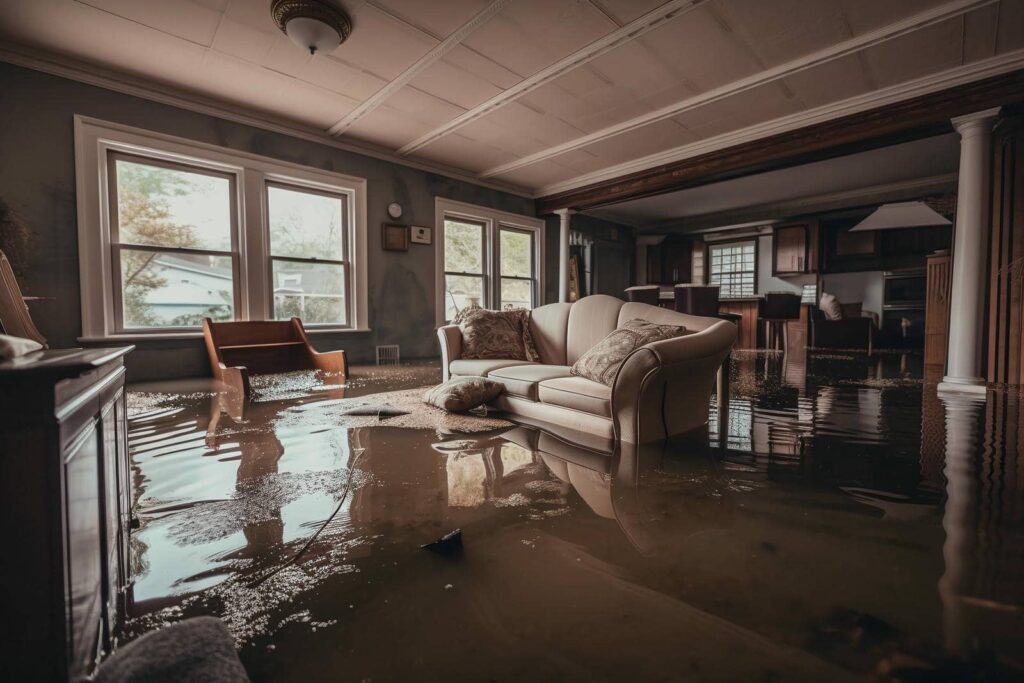
When you step into a flooded home, it’s essential to assess the damage before diving into cleanup. Start with a thorough visual inspection, looking for affected areas like walls, floors, and furniture.
Pay attention to discoloration, warping, or mold, as these can indicate deeper issues. Document everything with photos for insurance claims, creating a clear damage assessment that reflects your home’s condition.
Don’t forget to check hidden spaces, such as behind appliances or under carpets, where water may have pooled unnoticed.
Ensure Safety Precautions
Before you begin the cleanup process, it’s crucial to prioritize your safety. Flooded homes can harbor hidden dangers, so take precautions to protect yourself and your loved ones. Equip yourself with proper safety gear, like gloves, masks, and waterproof boots.
Here are some safety tips to keep in mind:
- Check for electrical hazards: Verify the power is off before entering any flooded areas.
- Stay informed: Keep emergency contacts handy, including local authorities and repair services.
- Avoid contaminated water: Floodwaters can carry harmful bacteria and chemicals.
- Work with a buddy: Having someone with you can provide support and assistance during this challenging time.
Remove Standing Water
With safety measures in place, it’s time to tackle the standing water in your home. Start with water removal to prevent further damage and reduce health risks. Use a sump pump or wet/dry vacuum for effective flood water removal. If the water level is significant, consider seeking professional help.
| Equipment | Purpose | Tips |
|---|---|---|
| Sump Pump | Removes large amounts | Verify it’s properly placed |
| Wet/Dry Vacuum | For smaller areas | Empty frequently |
| Towels | For final cleanup | Use absorbent types |
| Bucket | Manual removal | Be cautious with weight |
Act quickly and work methodically. This is a tough time, but you’re not alone. Reach out to your community for support and guidance.
Dry Out the Area
Once you’ve removed standing water, it’s essential to dry out the area thoroughly to prevent mold and damage.
Increase air circulation by opening windows and using fans, which helps accelerate the drying process.
Additionally, using dehumidifiers efficiently can greatly reduce moisture levels, creating a safer environment in your home.
Remove Standing Water
Removing standing water is essential in the aftermath of a flood, as even a few inches can lead to significant damage and health risks. Start by prioritizing water removal using pumps for efficient drainage. If you don’t have a pump, consider renting one or using a wet/dry vacuum for smaller areas.
Here are some key steps to follow:
- Assess the depth of standing water before starting.
- Verify electrical outlets and appliances are safe to approach.
- Work in sections to manage the water removal process effectively.
- Dispose of any contaminated materials responsibly.
Taking these steps helps protect your home and fosters a sense of community as you navigate this challenging time.
You’re not alone; support is available to help you through recovery.
Increase Air Circulation
Increasing air circulation is essential for drying out your home after a flood, and it can greatly reduce the risk of mold and mildew growth.
Start by opening windows and doors to create a cross-breeze, which enhances airflow. If it’s safe, use fans to boost ventilation; place them strategically to direct air toward the wet areas.
Consider utilizing airflow techniques like placing box fans in windows to push out humid air. Additionally, exhaust fans in kitchens and bathrooms can help pull moisture away.
These ventilation strategies not only help dry your space faster but also promote a healthier environment.
Use Dehumidifiers Efficiently
Dehumidifiers are essential tools for effectively drying out your home after a flood.
To maximize their use, consider these tips for ideal moisture control:
- Choose the right dehumidifier settings: Adjust to the recommended humidity level for your space.
- Position strategically: Place the unit in the most affected areas for better airflow.
- Regularly empty the tank: A full tank can halt moisture removal; check it daily.
- Run continuously: Keep the dehumidifier on until your home feels dry to the touch.
Clean and Disinfect Surfaces
Once you’ve dried out the area, it’s essential to gather your cleaning supplies to tackle the surfaces affected by the flood.
You’ll need proper disinfectants that can effectively eliminate any lingering bacteria and mold.
This step is important not just for cleanliness, but for your family’s health and safety as well.
Gather Cleaning Supplies
As you prepare to tackle the challenging task of cleaning your flooded home, gathering the right cleaning supplies is essential for effectively disinfecting surfaces.
Having the proper essential tools not only speeds up the process but also guarantees a thorough clean, giving you peace of mind.
Here’s what you need to collect:
- Heavy-duty gloves to protect your hands
- Scrub brushes and sponges for scrubbing surfaces
- Buckets for mixing cleaning solutions and rinsing
- Microfiber cloths for drying and wiping down
With these cleaning supplies in hand, you’ll be ready to restore your space.
Use Proper Disinfectants
To effectively clean and disinfect surfaces in your flooded home, it’s essential to use the right disinfectants to eliminate harmful bacteria and mold.
Start by choosing disinfectant types suitable for your surfaces, like bleach solutions for non-porous areas or specialized products for wood. Always read labels to verify effectiveness.
When applying disinfectants, use application techniques such as spraying or wiping with clean cloths to cover all surfaces thoroughly.
Allow the disinfectant to sit for the recommended time to guarantee it works properly.
Remember, your health and safety come first, so wear gloves and masks during the process.
Restore and Repair
While maneuvering through the aftermath of a flooded home can feel overwhelming, restoring and repairing your space is both essential and achievable.
First, check your flood insurance policy to understand what damages are covered.
Next, focus on critical areas needing attention:
- Evaluate structural integrity: Inspect walls, floors, and the foundation for damage.
- Replace damaged materials: Remove and replace drywall, flooring, or insulation that can’t be salvaged.
- Conduct necessary home renovations: Update fixtures and appliances to avoid future issues.
- Consider professional help: Don’t hesitate to hire experts for extensive repairs.
Prevent Future Flooding
If you want to protect your home from future flooding, taking proactive measures is crucial. Start by installing flood barriers around your property. These barriers can effectively redirect water away from your foundation, reducing the risk of damage.
Next, invest in a reliable drainage system. Verify your gutters are clean and downspouts direct water at least six feet from your home. Consider adding a sump pump in your basement, which can help manage water accumulation during heavy rains.
Regularly inspect your yard for areas where water tends to pool, and make necessary adjustments to improve drainage. By taking these steps, you can create a safer environment for your family and foster a sense of belonging within your community.
Frequently Asked Questions
What Should I Do With Wet Electronics?
When dealing with wet electronics, prioritize safety first. Unplug devices immediately. Use gentle drying methods like air drying or silica gel. Avoid heat sources, as they can cause more damage. Remember, you’re not alone in this.
How Can I Identify Mold Growth After Flooding?
You might think mold’s just an artistic decoration, but it can pose serious health risks. Look for dark spots or fuzzy growths; common mold types include black and green. Don’t ignore it—act quickly for safety.
Is It Safe to Stay in My Home During Cleanup?
Staying in your home during cleanup can pose health risks. If you choose to stay, take safety precautions like wearing masks and ventilating areas. Prioritize your well-being and seek temporary shelter if conditions worsen.
How Long Does It Take to Dry Out a Flooded Home?
Drying out a flooded home often takes several days to weeks, depending on the drying techniques and equipment you use. Utilizing fans and dehumidifiers can greatly speed up the process, ensuring a safe, comfortable return.
Should I Contact My Insurance Before Starting Cleanup?
Yes, you should contact your insurance before starting cleanup. Reviewing your insurance policy helps understand coverage and may influence your cleanup timeline, ensuring you don’t miss important claims and can recover more effectively.
To Sum Up
In the aftermath of a flood, it’s crucial to navigate your cleanup with care and precision, like a skilled sailor steering through turbulent waters. By following these seven steps, you’re not just restoring your home; you’re reclaiming your sanctuary. Remember, each action you take brings you closer to a fresh start, transforming chaos into calm. With diligence and compassion for your space, you can prevent future storms from dampening your spirit again. Embrace the journey of renewal.
Recent Posts
Top Tools for Efficient Home Flood Recovery
When facing home flood recovery, it’s vital to have the right tools at your disposal.
7 Best Tools for Effective Flood Cleanup
When tackling flood cleanup, knowing what tools to use, understanding their purpose, and mastering their
What Are Effective Techniques for Detecting Pipe Leaks?
Detecting pipe leaks is essential for maintaining infrastructure and preventing costly damage. You can utilize