
Contents
When dealing with leaking pipes, identifying the problem early is essential to prevent extensive damage. You’ll find that visual inspection, acoustic leak detection, and infrared thermography are among the most effective methods. Each technique offers unique advantages, enabling you to pinpoint leaks accurately. Understanding how to use these methods can greatly enhance your plumbing maintenance strategy. Let’s explore these techniques in detail and see how they can benefit you.
Key Takeaways
- Visual Inspection: Regularly examine pipe surfaces for visible damage, moisture indicators, and damp spots to catch leaks early.
- Acoustic Leak Detection: Utilize sound waves and ultrasonic sensors to identify leaks by analyzing frequency changes within the plumbing system.
- Infrared Thermography: Employ thermal imaging to detect temperature variations, offering a non-invasive way to identify leaks quickly and accurately.
- Combining Techniques: Use a combination of visual, acoustic, and infrared methods to enhance leak detection effectiveness and ensure comprehensive coverage.
- Timely Action: Address detected leaks promptly to prevent extensive damage and costly repairs, maintaining the plumbing system’s integrity.
Visual Inspection Techniques
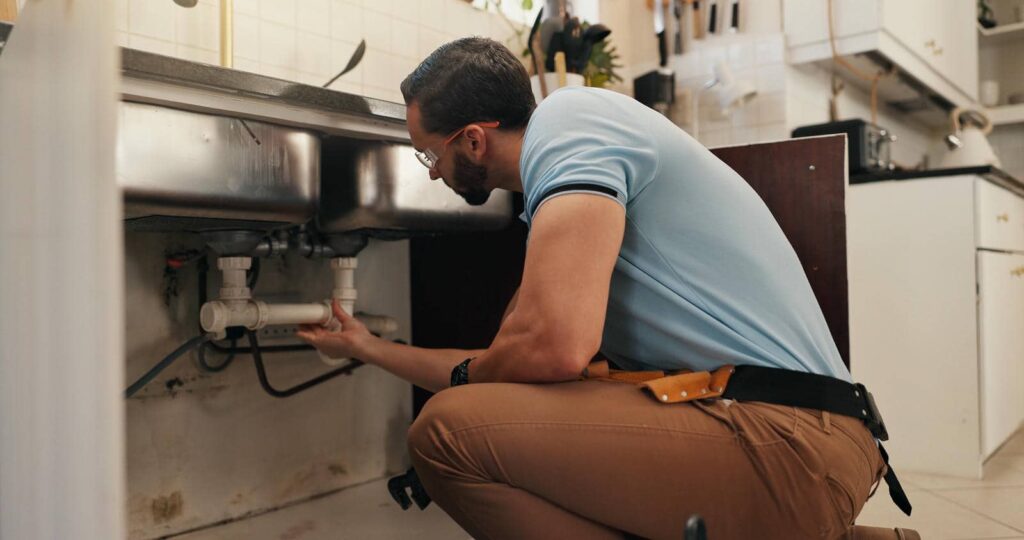
When you suspect a leak in your plumbing system, starting with visual inspection techniques can be incredibly effective.
Begin by closely examining the pipe surface for any visible signs of damage, such as cracks, corrosion, or bulges. Look for moisture indicators, like water stains or discoloration on walls and ceilings, which can signal a hidden leak.
Pay attention to damp spots around joints and fittings, as these areas are more prone to leaks. Don’t forget to inspect insulation around pipes, as it can absorb moisture, leading to mold growth.
Acoustic Leak Detection
Acoustic leak detection is a powerful method that utilizes sound waves to locate leaks in your plumbing system. By employing ultrasonic sensors, you can identify leaks based on sound frequency variations.
Here’s how it works:
Sound Wave Emission: Ultrasonic sensors emit sound waves into the pipes.
Leak Detection: When a leak occurs, the sound waves change frequency.
Data Analysis: The sensors analyze these frequency changes to pinpoint the leak’s location.
Immediate Action: Once identified, you can address the leak quickly to prevent further damag
This method saves time and minimizes disruption to your environment.
Infrared Thermography
Infrared thermography is an advanced technique that detects leaks by visualizing temperature variations in your plumbing system. Using thermal imaging, it identifies temperature differentials that indicate potential leaks. This non-invasive method allows you to locate problems without extensive digging or disruption.
| Aspect | Detail |
|---|---|
| Method | Thermal Imaging |
| Detection Type | Non-invasive |
| Key Indicators | Temperature Differentials |
| Advantages | Quick, Accurate, Minimal Disruption |
| Applications | Residential and Commercial Plumbing |
Frequently Asked Questions
What Are the Signs of a Leaking Pipe in My Home?
You’ll notice water stains on walls or ceilings, and you might detect musty odors in certain areas. Pay attention to these signs—they often indicate hidden leaks that require prompt attention to prevent further damage.
How Can I Prevent Future Pipe Leaks?
To prevent future pipe leaks, you should install pipe insulation to protect against temperature fluctuations and schedule regular maintenance checks. These proactive steps help ensure your plumbing system remains reliable and minimizes potential issues down the line.
Are There DIY Methods for Detecting Leaks?
Yes, you can use DIY methods for detecting leaks. Check your water meter for unusual usage, and employ sound detection techniques by listening for dripping or hissing noises in walls and floors. It’s effective and straightforward!
How Often Should I Inspect My Plumbing for Leaks?
You should inspect your plumbing for leaks at least twice a year. Regular plumbing maintenance helps identify potential issues early, reducing leak frequency and preventing costly damage. Staying proactive ensures your home remains safe and efficient.
What Are the Costs Associated With Professional Leak Detection Services?
When considering professional leak detection services, you should factor in the cost breakdown, including inspection fees and equipment usage. Conducting a service comparison helps ensure you choose the most efficient option for your needs.
Recap
Using a combination of visual inspection, acoustic leak detection, and infrared thermography can greatly enhance your ability to identify leaking pipes early. You might think these methods are too complex or costly, but investing in these technologies can save you from expensive repairs down the line. By staying proactive and adopting these techniques, you’ll maintain your plumbing system’s integrity and prevent water damage, ensuring peace of mind for your property.
Recent Posts
Top Tools for Efficient Home Flood Recovery
When facing home flood recovery, it’s vital to have the right tools at your disposal.
7 Best Tools for Effective Flood Cleanup
When tackling flood cleanup, knowing what tools to use, understanding their purpose, and mastering their
What Are Effective Techniques for Detecting Pipe Leaks?
Detecting pipe leaks is essential for maintaining infrastructure and preventing costly damage. You can utilize