
Contents
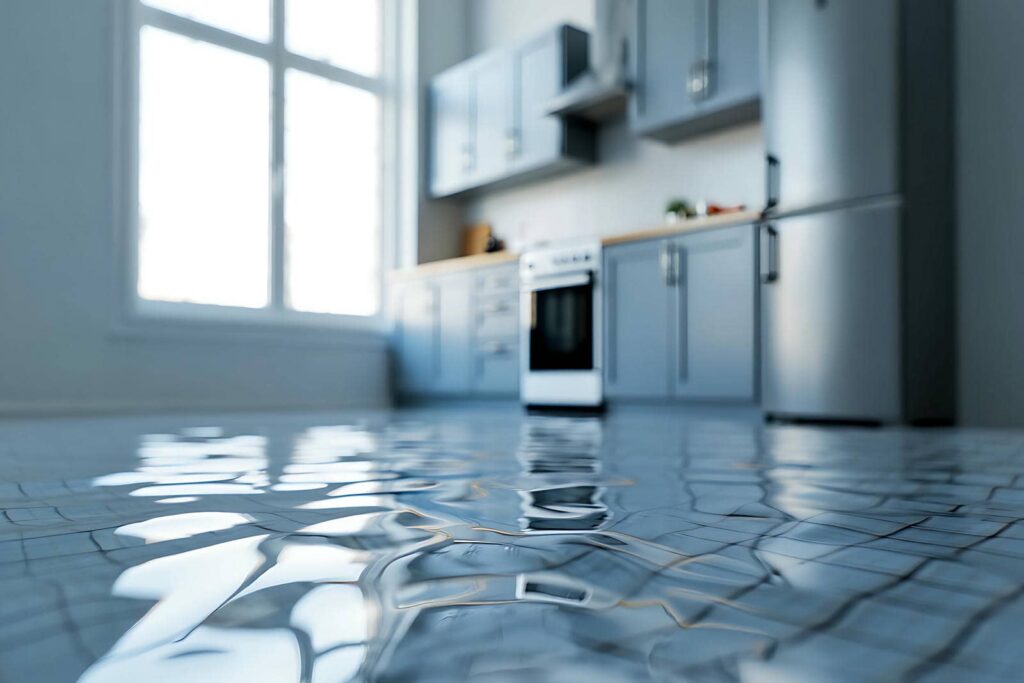
A flooded basement is like a ticking time bomb; if you don’t act quickly, the consequences can be severe. You need to understand the essential methods for emergency water damage repair. First, immediate water removal is critical to prevent further damage. Next, structural drying techniques will ensure that every nook and cranny is moisture-free. Finally, mold prevention strategies are essential for long-term safety. What steps can you take to protect your home effectively?
Key Takeaways
- Conduct a flood assessment to determine the extent of damage and prioritize areas for repair.
- Use high-capacity pumps or wet vacuums for swift water extraction to minimize mold growth risk.
- Implement industrial dehumidifiers and fans to enhance drying and moisture control in affected areas.
- Ensure thorough drying of walls, floors, and ceilings to prevent mold development and structural issues.
- Regularly monitor humidity levels and inspect for hidden moisture to maintain a safe environment post-repair.
Immediate Water Removal Techniques
When water damage strikes, prompt action is essential, as every minute counts in preventing further destruction.
Start with an immediate flood assessment to identify the extent of the damage. This step helps you determine where water has infiltrated and what areas need urgent attention.
Next, initiate water extraction using a high-capacity pump or a wet vacuum. These tools effectively remove standing water, reducing the risk of mold growth and secondary damage.
Make sure you keep the affected area well-ventilated to promote drying.
Remember, the sooner you act, the better your chances are for a successful recovery.
Structural Drying Methods
While immediate water removal is essential, effective structural drying is equally important to prevent long-term damage.
You’ll want to implement robust drying strategies that include various dehumidification techniques and enhance air circulation throughout the affected areas.
- Use industrial dehumidifiers to absorb moisture
- Introduce fans to promote air movement
- Seal off affected areas to concentrate drying efforts
- Monitor humidity levels consistently
- Apply thermal imaging to identify hidden moisture
Mold Prevention and Remediation Strategies
Effective structural drying reduces the risk of water damage and plays a significant role in mold prevention. To keep mold growth at bay, you should act swiftly after water damage occurs.
Start by ensuring thorough drying of affected areas, including walls, floors, and ceilings. Use dehumidifiers to lower humidity levels, as mold thrives in damp conditions. Regularly inspect hidden spaces like attics and basements for any moisture accumulation.
Additionally, maintaining good air quality is essential; consider using air purifiers with HEPA filters. If you spot mold, don’t hesitate to remediate it immediately. Clean the affected areas with appropriate solutions and ensure proper ventilation.
Frequently Asked Questions
What Insurance Coverage Is Available for Water Damage Repairs?
When considering water damage, review your insurance policies carefully. Many homeowners’ plans cover sudden incidents, while flood insurance might be necessary for specific areas. Understanding your coverage ensures you’re prepared for potential repairs and financial relief.
How Can I Prevent Future Water Damage in My Home?
Think of your home as a fortress; implementing waterproofing techniques and effective drainage solutions fortifies it against future water damage. Regular maintenance and inspections help you secure this stronghold, ensuring a safe haven for your family.
What Are the Signs of Hidden Water Damage?
To identify hidden water damage, watch for signs like discoloration, peeling paint, and musty odors. Utilize moisture detection tools to pinpoint hidden leaks, ensuring you address issues before they escalate into serious problems.
How Long Does the Water Damage Repair Process Typically Take?
The water damage timeline varies, but you can expect the repair process to take anywhere from a few days to several weeks, depending on the extent of damage and the necessary restoration efforts involved.
Should I Hire a Professional or Attempt DIY Repairs?
You should weigh the benefits of professional services against DIY techniques. While professionals ensure thorough repairs and safety, DIY methods can save money. Consider your skills and the severity of damage before deciding which route to take.
Final Thoughts
Effectively managing water damage hinges on swift action and thorough techniques. Mold can start to grow within just 24 to 48 hours after water exposure. By prioritizing immediate water removal, implementing structural drying methods, and actively preventing mold growth, you safeguard your property and promote a healthier living environment. Stay vigilant and proactive to ensure your space remains safe and secure after any water damage incident.
Recent Posts
Top Tools for Efficient Home Flood Recovery
When facing home flood recovery, it’s vital to have the right tools at your disposal.
7 Best Tools for Effective Flood Cleanup
When tackling flood cleanup, knowing what tools to use, understanding their purpose, and mastering their
What Are Effective Techniques for Detecting Pipe Leaks?
Detecting pipe leaks is essential for maintaining infrastructure and preventing costly damage. You can utilize