
Contents
When your home faces flooding, the aftermath can feel overwhelming. It’s important to approach the flooded home cleanup methodically, prioritizing safety and thoroughness. You’ll need to assess the damage carefully and document everything for insurance purposes. From removing standing water to drying out your home, each step plays an essential role in restoring your space. But what’s next after you’ve tackled these initial tasks? Let’s explore the key strategies that can guide you through this challenging process.
Key Takeaways
- Assess and document all damage thoroughly to support insurance claims and identify immediate cleanup priorities.
- Ensure safety by wearing protective gear such as boots, gloves, and masks before starting the cleanup process.
- Remove standing water promptly using a pump, followed by dehumidifiers and fans to dry out affected areas.
- Contact your insurance provider early to file claims and review coverage while seeking professional water damage assistance if needed.
- Maintain open communication with restoration professionals and document all interactions to facilitate a smoother recovery process.
Assess the Damage
Before diving into cleanup, it’s essential to assess the damage to your home, as this will guide your next steps.
Start with a thorough damage evaluation. Look for structural issues, like warped walls or weakened foundations. You’ll want to document everything, noting the extent of the water damage and any affected belongings.
This impact assessment helps you prioritize what needs immediate attention and what can wait. Remember, it’s not just about the physical damage; emotional attachments to your home may weigh heavily on you.
Take a moment to acknowledge those feelings. Engaging with your community can provide support during this challenging time, so don’t hesitate to reach out. Together, you can navigate this difficult process and reclaim your space.
Ensure Safety First
As you begin the cleanup process, ensuring your safety should be your top priority. Flooded homes pose various risks, so wearing appropriate safety gear is essential.
Here are four key steps to keep in mind:
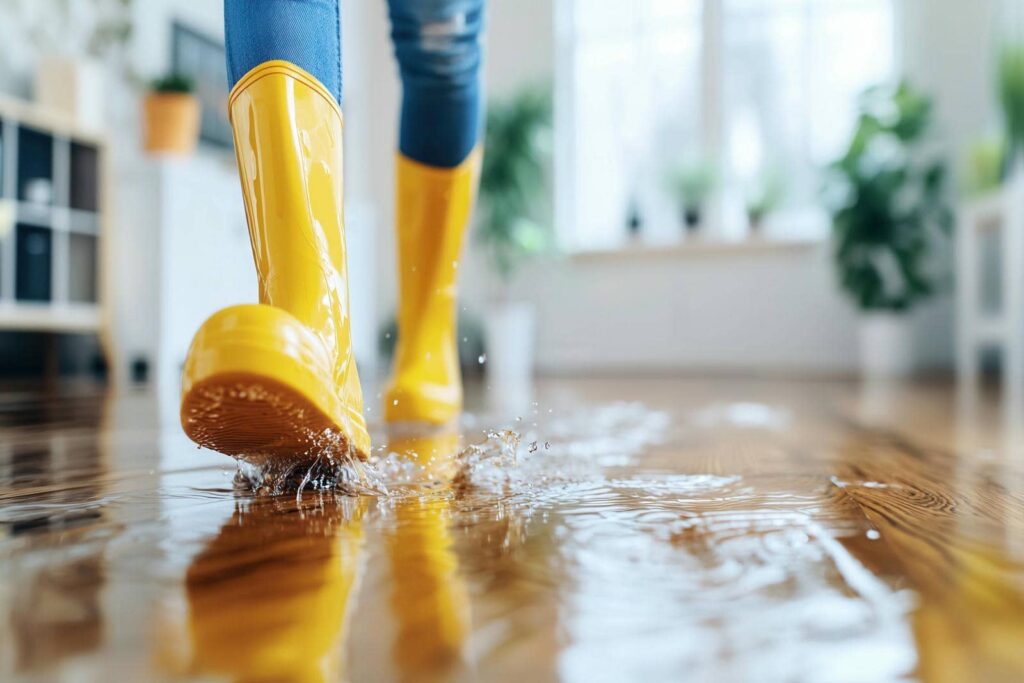
- Wear sturdy boots to protect your feet from sharp objects and contaminated water.
- Use gloves to minimize contact with harmful substances and bacteria.
- Don a mask to avoid inhaling mold spores and other allergens.
- Keep emergency contacts handy for quick access in case of injury or urgent situations.
Document Everything
When you’re faced with the aftermath of a flood, documenting everything is essential for both restoration and insurance claims. Start by taking detailed photographic evidence of the damage. Capture various angles of affected areas, including walls, floors, and personal belongings. This visual record helps convey the extent of the damage and supports your insurance documentation.
Take notes on the condition of items, including any that may need replacing. Keep a detailed log of conversations with restoration professionals and insurance agents, noting dates and times.
This thorough documentation will be invaluable as you navigate the claims process, ensuring you feel supported and understood. Remember, every detail counts in reclaiming your space and peace of mind.
Remove Standing Water
When you’re faced with standing water, using a pump can be your most efficient solution.
Always prioritize safety by wearing protective gear and ensuring that electrical hazards are addressed before you begin.
Taking these precautions protects you and sets the stage for a more effective cleanup process.
Use a Pump
Removing standing water from your flooded home is essential, and using a pump can make this challenging task much more manageable.
Choosing the right pump type, whether it’s a submersible or utility pump, can greatly affect your cleanup process. Here are some tips to keep in mind:
- Inspect the pump: Check for any visible damage before use.
- Connect hoses securely: Make sure hoses are tightly attached to prevent leaks.
- Monitor water levels: Keep an eye on the water levels to avoid overworking the pump.
- Perform regular maintenance: Clean the pump after use and store it properly to extend its lifespan.
Safety First Always
Ensuring your safety is paramount as you tackle the formidable task of removing standing water. Equip yourself with appropriate safety gear, like waterproof boots and gloves, to protect against hazards. Before you start, check your emergency kit to ensure you have essentials such as a flashlight, first aid supplies, and a whistle.
| Safety Tips | Details |
|---|---|
| Wear Safety Gear | Use waterproof gloves and boots. |
| Check for Hazards | Look for downed wires or sharp objects. |
| Use Proper Equipment | Ensure pumps and generators are in good condition. |
Dry Out the Affected Areas
Once you’ve removed the standing water, it’s vital to assess the extent of the water damage in your home.
You’ll want to use dehumidifiers effectively to draw out moisture and ensure proper ventilation to promote airflow.
These steps are essential to prevent mold growth and further damage to your property.
Assess Water Damage Extent
Evaluating the extent of water damage in your home is essential for effective cleanup and restoration.
Start by examining areas affected by the water level to determine the impact on your home’s structural integrity.
- Inspect walls and ceilings for discoloration or warping.
- Check floors for soft spots or buckling.
- Look for damaged electrical systems, such as outlets and wiring.
- Identify any mold growth or lingering moisture.
Use Dehumidifiers Effectively
As you begin the drying process, using dehumidifiers effectively can make a significant difference in restoring your home.
Start by adjusting the dehumidifier settings to the best level for your space—typically between 30-60% humidity. This range ensures efficient moisture control without risking damage to your walls or belongings.
Place the dehumidifier in the most affected areas, ideally near sources of moisture, and keep doors and windows closed to maximize its effectiveness.
Regularly check the water collection tank and empty it as needed to maintain performance.
Remember, each home is unique, so monitor your progress and adjust settings accordingly.
Ventilation and Airflow Importance
While it might be tempting to seal off affected areas to contain the mess, ensuring proper ventilation and airflow is essential for effectively drying out your home.
Good air circulation techniques can greatly enhance humidity control, preventing mold and further damage.
Here are some steps to take into account:
- Open windows and doors to promote fresh air flow.
- Use fans strategically to circulate air throughout the space.
- Set up dehumidifiers to remove excess moisture.
- Create cross-ventilation by positioning fans across from each other.
Clean and Disinfect Surfaces
Once you’ve removed standing water and salvaged your belongings, it’s essential to clean and disinfect surfaces to prevent mold and bacterial growth. Use appropriate cleaning solutions like soap and water for initial cleaning, followed by disinfecting techniques such as bleach or hydrogen peroxide. Pay special attention to high-touch areas like doorknobs and countertops.
| Cleaning Solution | Disinfecting Technique |
|---|---|
| Soap and Water | 1:10 bleach solution |
| Vinegar | Hydrogen peroxide (3%) |
| Commercial cleaners | Alcohol (70% or higher) |
| Baking soda | Quaternary ammonium compounds |
Thoroughly wipe down all surfaces, ensuring that you’re diligent in your efforts. This step is vital for restoring your home and protecting your cherished belongings.
Check for Mold Growth
After you’ve cleaned and disinfected your home, it’s vital to check for mold growth, which can develop quickly in damp environments.
Mold can threaten your health and the integrity of your home, so proactive steps are important. Here are four key areas to inspect:
- Basements and Crawl Spaces: These areas often retain moisture, making them prime spots for mold.
- Behind Appliances: Dishwashers and refrigerators can leak, leading to hidden mold growth.
- Wall and Ceiling Corners: Look for discoloration or a musty smell that signals mold’s presence.
- Bathroom and Kitchen: These humid areas require regular mold prevention measures.
If you find any mold, prioritize mold remediation to safeguard your space and well-being.
Salvage Undamaged Items
As you begin the challenging task of restoring your home, salvaging undamaged items should be a top priority to minimize losses and preserve what you can.
Start by employing effective restoration techniques, carefully evaluating each item’s condition. Categorize your belongings into three groups: keep, repair, and discard. This systematic approach helps you focus on what truly matters, allowing you to save cherished memories and essentials.
Handle fragile items gently and clean them with appropriate products to prevent further damage. Don’t forget to document what you save for future reference.
Contact Insurance Providers
After experiencing a flood, your first step should be to contact your insurance provider.
Make sure you gather your policy information and document all damage thoroughly, as this will strengthen your claim.
Filing your claim promptly can help expedite the recovery process and alleviate some of the stress you’re facing.
Gather Policy Information
When your home faces the devastation of flooding, it’s essential to act swiftly by gathering your insurance policy information.
Understanding your policy coverage can greatly ease the claim process. Here’s how to get started:
- Locate Your Policy Document: Find the physical or digital copy of your policy.
- Check Coverage Limits: Review what damages are covered and the limits for each category.
- Identify Your Deductibles: Know how much you’ll need to pay out-of-pocket before insurance kicks in.
- Contact Your Insurance Agent: Reach out for guidance on how to file your claim efficiently.
Document Damage Thoroughly
Thorough documentation of damage is crucial for a smooth insurance claim process. Begin with an extensive damage assessment, capturing every detail.
Take clear photographs of affected areas, including furniture, walls, and appliances. Make notes on the extent of the damage and any potential safety hazards. This information will be essential for your insurance coverage.
Organize your documentation chronologically, as this can help illustrate the progression of the damage.
Don’t forget to include receipts for any immediate repairs or temporary housing, as these may also influence your claim.
File Claim Promptly
With your damage documentation in hand, the next step is to file your insurance claim as soon as possible.
The claim process can feel overwhelming, but prompt action can ensure you receive the insurance coverage you need.
Here’s how to streamline your claim:
- Contact your insurance provider: Reach out to them directly, explaining your situation.
- Submit your documentation: Send photos, receipts, and a detailed list of damages to support your claim.
- Document your conversations: Keep records of discussions with your insurer for reference.
- Follow up regularly: Stay in touch to check the status of your claim and address any questions.
Consult Water Damage Professionals
If you’re facing extensive water damage, consulting water damage professionals can be an essential step in ensuring your home is restored effectively. Their expertise aids in thorough water restoration and provides a professional assessment to identify hidden issues.
| Benefits of Professional Help | DIY Risks |
|---|---|
| Fast and effective cleanup | Potential mold growth |
| Advanced drying techniques | Incomplete restoration |
| Detailed damage evaluation | Safety hazards |
Bringing in professionals offers peace of mind during a chaotic time. They can assess the situation with a trained eye, ensuring no detail is overlooked. By relying on their skills, you’re not just restoring your home; you’re safeguarding your family’s future and well-being.
Frequently Asked Questions
What Should I Wear During the Cleanup Process?
During the cleanup process, you should wear appropriate protective gear, like gloves and boots, along with cleanup attire that’s durable and waterproof. This ensures safety and comfort while you tackle the challenging task ahead.
How Long Does It Take to Dry Out a Flooded Home?
You might think it’ll take forever, but with effective drying methods, you can greatly reduce flood duration. Typically, expect a few days to weeks, depending on conditions and how thoroughly you tackle the process.
Can I Use Regular Household Cleaners for Disinfecting?
You can use some regular household cleaners, but they might not be effective against all germs. Consider disinfectant alternatives like vinegar or hydrogen peroxide, and make certain your cleaning supplies are suitable for the surfaces you’re treating.
Is It Safe to Enter a Flooded Basement?
Entering a flooded basement isn’t safe without evaluating floodwater safety first. You need to take into account potential basement hazards like electrical risks or contamination. Always prioritize your well-being and seek professional help if unsure.
How Do I Prevent Future Flooding in My Home?
Preventing future flooding is like building a strong dam against relentless waves. You should consider effective drainage solutions and implement waterproofing methods, ensuring your home stays safe, dry, and a comforting haven for you and your loved ones.
Conclusion
As you navigate the aftermath of flooding, remember that each step you take is a part of reclaiming your space and peace of mind. Picture the once-wet floors drying beneath the warm hum of dehumidifiers, the faint scent of fresh air replacing mildew. By methodically evaluating the damage and communicating with your insurance, you’re not just restoring a home; you’re rebuilding hope. Embrace the journey, knowing that each effort brings you closer to brighter days ahead.
Recent Posts
Top Tools for Efficient Home Flood Recovery
When facing home flood recovery, it’s vital to have the right tools at your disposal.
7 Best Tools for Effective Flood Cleanup
When tackling flood cleanup, knowing what tools to use, understanding their purpose, and mastering their
What Are Effective Techniques for Detecting Pipe Leaks?
Detecting pipe leaks is essential for maintaining infrastructure and preventing costly damage. You can utilize